












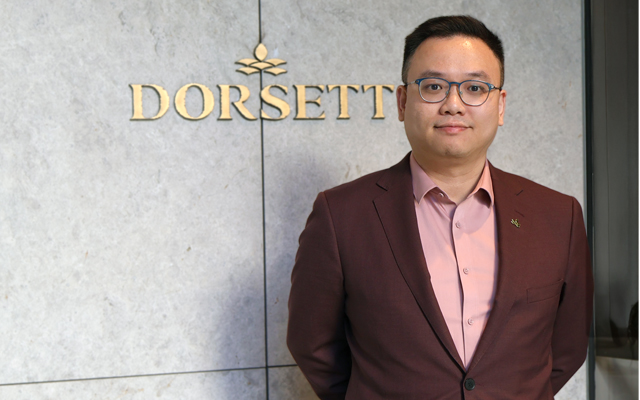









Travel Capitalist Ventures Expands Check Size to $10 Million to Deepen Emerging Market Conviction
Boutique Travel VC raises investment cap from $1.5M to $10M to lead rounds and support portfolio companies through growth Travel...
Read moreDetails

Israeli billionaire's firm settles DR Congo graft probe for $30 million
Comprehensive Summarization:
The article reports that a former holding company of Dan Gertler, a U.S.-sanctioned Israeli billionaire, is paying $30 billion to settle a Dutch corruption investigation. The investigation, ongoing since 2018, scrutinized whether Fleurette, the holding company for Gertler’s group, and commodities group Glencore paid bribes for copper and cobalt mining rights in the Democratic Republic of Congo at below-market prices. The probe suggests that millions of U.S. dollars were paid to an advisor of former President Joseph Kabila, who led the country from 2001 to 2019. This development underscores the importance of regulatory compliance and ethical business practices in the mining sector, particularly concerning international sanctions and corruption risks.
Key Points:
Actionable Takeaways:
Compliance and Ethical Practices: Companies must prioritize compliance with international sanctions and ethical business standards to avoid costly legal settlements and reputational damage. This case serves as a stark reminder of the risks associated with corruption in the mining sector.
Regulatory Vigilance: Investors and stakeholders should closely monitor regulatory developments in the mining industry, particularly concerning sanctions compliance and anti-corruption measures. Proactive engagement with regulatory bodies can mitigate risks and ensure sustainable business operations.
Contextual Insights:
The settlement of a $30 billion corruption investigation in the mining sector underscores the critical importance of regulatory compliance and ethical business practices. This case highlights the ongoing challenges faced by companies operating in regions with complex regulatory environments and historical ties to corruption. For the travel industry, this serves as a reminder of the broader implications of corruption in global supply chains and the need for robust due diligence processes. Additionally, the case emphasizes the growing significance of fintech solutions in enhancing transparency and accountability in international transactions, potentially offering innovative tools to prevent similar issues in the future.
Read the Complete Article.
Boutique Travel VC raises investment cap from $1.5M to $10M to lead rounds and support portfolio companies through growth Travel...
Read moreDetails



Comprehensive Summarization: Wizz Air, a leading airline in Central and Eastern Europe, has been named the Official Airline Partner for...
Read moreDetails
