








No products in the cart.
- Latest
- Trending


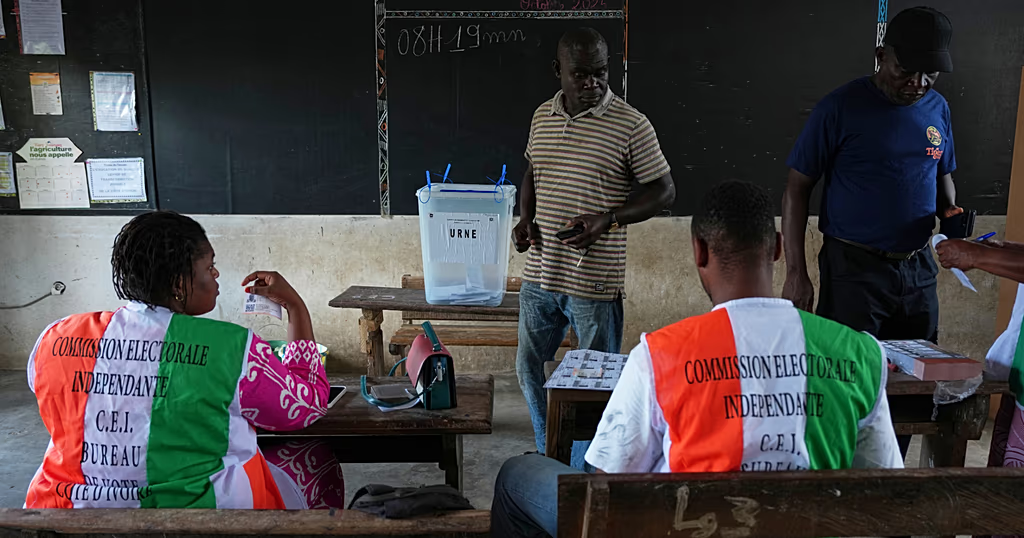
Ivorians head to the polls as divisions from Presidential vote linger
Article Summary:
The article reports on the upcoming legislative elections in Côte d’Ivoire, where Ivorians will elect 255 members of the National Assembly on a Saturday. These elections are particularly significant as they come just two months after President Alassane Ouattara’s re-election, which was secured with 90% of the vote. The election is marked by deep political divisions, with the African Peoples’ Party, linked to former President Laurent Gbagbo, choosing to boycott the vote. The tensions surrounding the elections reflect the broader political climate in the country.
Key Points:
Actionable Takeaways:
Contextual Insights:
The article’s context is deeply rooted in the current political climate of Côte d’Ivoire, where recent elections have been contentious and have divided the nation. This situation is reflective of broader trends in many countries where political divisions can significantly impact social stability and economic activities, including tourism. Recent travel trends indicate a growing emphasis on safety and stability as key factors for travelers when choosing destinations. Thought leaders in the travel industry have emphasized the importance of monitoring political developments and understanding their potential impact on travel destinations. In this light, the upcoming elections in Côte d’Ivoire serve as a case study for how political events can shape travel trends and consumer behavior. Experts predict that while the elections may initially deter some tourists, a stable post-election period could eventually lead to a resurgence in tourism, provided that the political climate improves. This forward-looking perspective underscores the importance of staying informed about political developments and their potential ripple effects on the travel industry.
Read the Complete Article.
Get curated travel AI insights — choose the newsletters that matter to you.
This spot is reserved for brands with a compelling story for the travel trade. They use this space to cut...
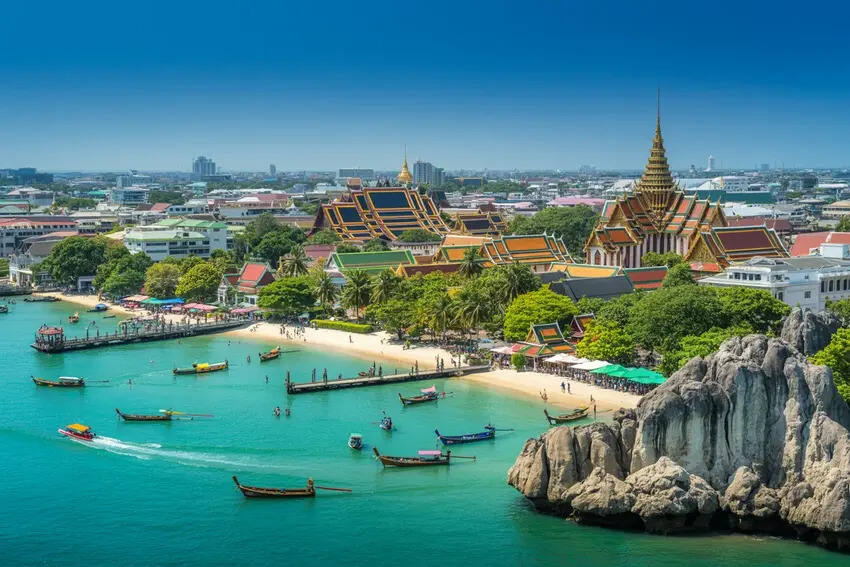
Read moreDetailsALTOUR Expands into Thailand, Strengthening Corporate Travel Network Across Southeast Asia BANGKOK, THAILAND (25 March, 2026) – ALTOUR, a leading...
Read moreDetails


Comprehensive Summarization: Koh Chraeng, an island located in the Kratie Province of Cambodia along the Mekong River, is rapidly gaining...
Read moreDetails