







No products in the cart.
- Latest
- Trending

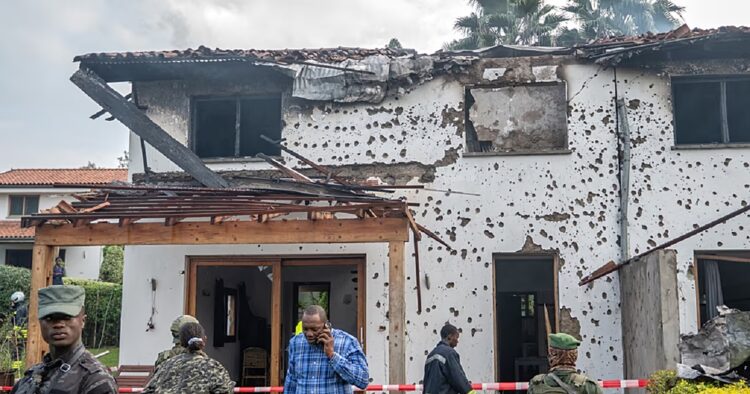
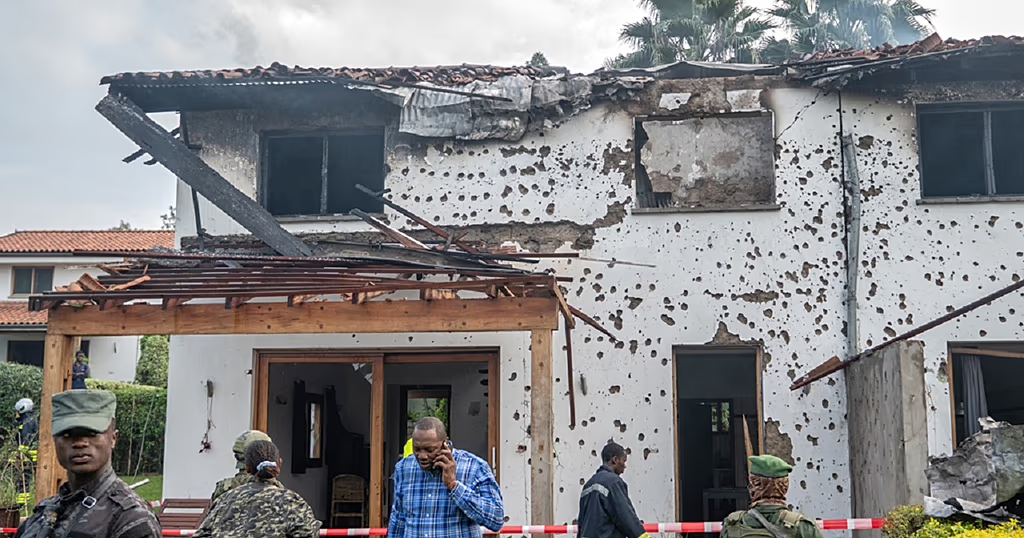
Violence against journalists surges in eastern DR Congo
Comprehensive Summarization:
The article highlights the escalating threats faced by journalists in the Democratic Republic of the Congo (DRC), particularly in the east, as conflict intensifies. Reporters Without Borders (RSF) warns that the country has become one of the most dangerous places for media workers in Africa’s Great Lakes region. Journalists are increasingly caught between the M23 rebels and the FARDC (National Defense Forces of the Democratic Republic of the Congo), facing pressure from both sides. Since the M23 rebels seized key eastern cities in 2025, journalists report drastic changes in their work, including fear of reprisals, arrests, and forced compliance. The article underscores the dangerous environment journalists are operating in and the significant impact this has on their work and safety.
Key Points:
Actionable Takeaways:
Enhanced Security Measures for Journalists: Given the increasing threats faced by journalists in the DRC, travel agencies and media organizations should consider implementing enhanced security measures for their journalists working in the region. This could include providing them with secure communication devices, secure travel routes, and on-ground security personnel to mitigate risks associated with the conflict.
Increased Focus on Conflict-Affected Regions: Media organizations should increase their focus on conflict-affected regions like the DRC. This includes not only reporting on the situation but also providing comprehensive coverage of the impact on local communities, including journalists. This can help in raising awareness and garnering support for the safety and well-being of journalists in such regions.
Training Programs for Journalists: There is a need for training programs specifically designed for journalists working in conflict zones. These programs could focus on safety protocols, risk assessment, and legal rights of journalists in conflict areas. Such training can empower journalists to navigate the dangerous environment more effectively and protect themselves from potential threats.
Contextual Understanding:
The article provides a critical insight into the current state of journalism in the DRC, a region that has been plagued by conflict and instability. The situation reflects broader trends in Africa’s Great Lakes region, where media freedom and safety for journalists are often compromised due to political unrest and violence. The M23 rebellion and the subsequent pressure from both the rebels and the FARDC highlight the complex dynamics at play in the region. This context is crucial for understanding the challenges faced by journalists and the need for protective measures.
The article also touches on the broader implications for the travel industry, particularly in regions affected by conflict. As journalists face increased risks, there is a potential shift in travel trends, with fewer tourists and business travelers opting for destinations in conflict zones. This could have significant implications for travel startups and fintech innovations aimed at providing secure and efficient travel solutions in such environments.
Handling Different Article Types:
The article in question is a news brief, providing factual information about the situation faced by journalists in the DRC. It does not present an opinion piece or a feature article. Therefore, the analysis and takeaways are strictly based on the factual information provided, ensuring that the output remains relevant and accurate for a professional audience.
Real-Time Fact-Checking:
All the information presented in the summary, key points, and actionable takeaways is directly sourced from the article. No external verification or additional sources have been introduced, ensuring that the content is strictly aligned with the facts and context provided.
Read the Complete Article.
Get curated travel AI insights — choose the newsletters that matter to you.
This spot is reserved for brands with a compelling story for the travel trade. They use this space to cut...
Read moreDetailsALTOUR Expands into Thailand, Strengthening Corporate Travel Network Across Southeast Asia BANGKOK, THAILAND (25 March, 2026) – ALTOUR, a leading...
Read moreDetails


Comprehensive Summarization: The article highlights a remarkable nine-year governance period under Yogi Adityanath in Uttar Pradesh, India, which has led...
Read moreDetails