





No products in the cart.
- Latest
- Trending


Botswana: UK Imposes Visa On Botswana Nationals
Article Summary:
The national government of Kenya spent nearly Sh5 billion on travel in the first three months of the 2025/26 financial year, raising questions about adherence to austerity measures. According to the National Government Budget Implementation Review Report, total travel expenditure reached Sh4.97 billion by November 2025. Domestic travel accounted for Sh4.09 billion, while foreign travel consumed Sh877.21 million. These figures fall under the “Use of Goods and Services” category, which also includes items like printing and advertising.
Key Points:
Actionable Takeaways:
Contextual Insights:
The article highlights a significant increase in government travel expenditure, which is a critical aspect of public spending transparency and fiscal responsibility. The emphasis on domestic travel versus foreign travel suggests a potential imbalance in the government’s travel strategy. This could be indicative of broader economic priorities, such as boosting domestic tourism or diplomatic relations. From a travel industry perspective, this expenditure underscores the importance of efficient travel management and the need for innovative solutions to reduce costs without compromising on quality. The insights provided align with current industry trends focusing on fiscal discipline and strategic investment in travel sectors.
Read the Complete Article.
Get curated travel AI insights — choose the newsletters that matter to you.
ALTOUR Expands into Thailand, Strengthening Corporate Travel Network Across Southeast Asia BANGKOK, THAILAND (25 March, 2026) – ALTOUR, a leading...
Read moreDetails


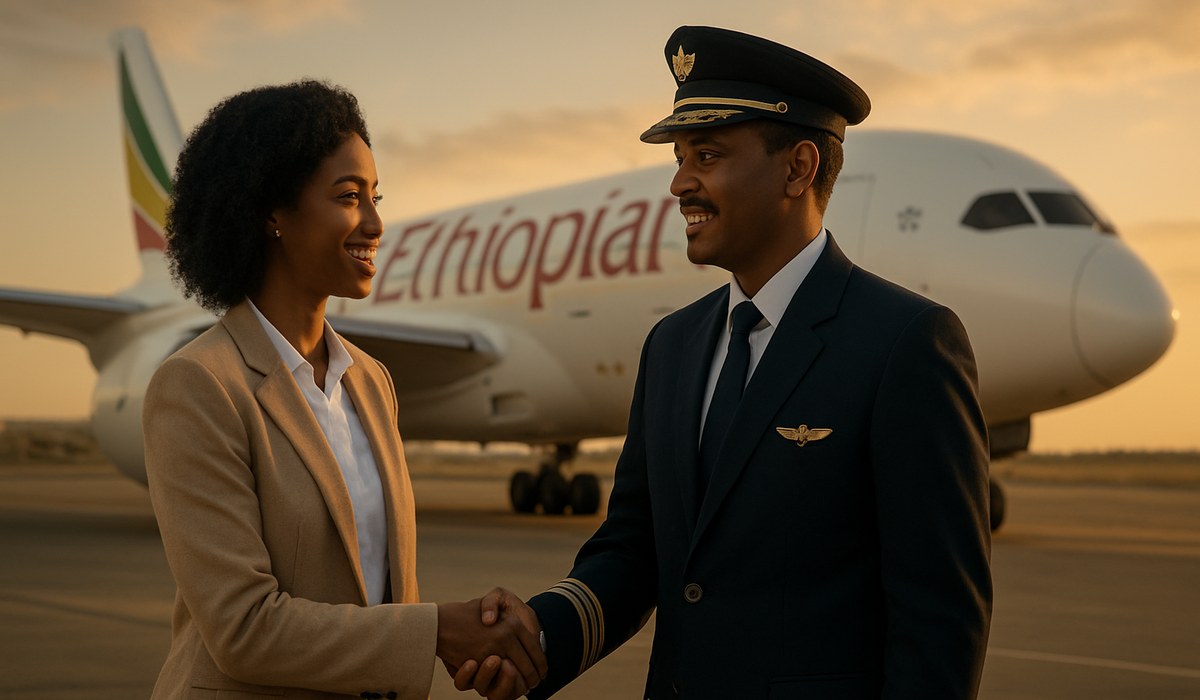
Comprehensive Summarization: Marriott Bonvoy has entered into a strategic partnership with Ethiopian Airlines, effective March 27, 2026, to establish a...
Read moreDetails