










No products in the cart.
- Latest
- Trending

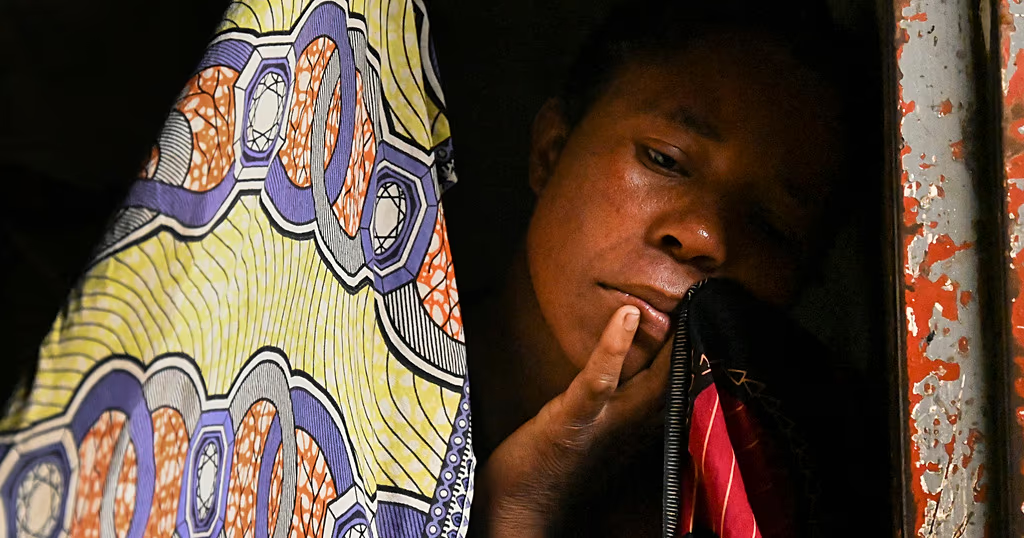
Kenya’s Nairobi county approves paid menstrual leave policy
Article Summary:
Nairobi County has introduced a policy allowing women working for the county to take two paid days off each month for menstrual health, without these days counting towards their sick or annual leave. This decision, approved by the Nairobi City County Government, has been met with both support and criticism. The policy positions Nairobi as one of the first county governments in Kenya to formally address menstrual health leave, reflecting a growing trend towards workplace inclusivity and employee well-being.
Key Points:
Actionable Takeaways:
Contextual Insights:
The introduction of menstrual health leave in Nairobi County aligns with broader global trends towards workplace inclusivity and employee wellness. As the travel industry continues to evolve, there is an increasing emphasis on creating supportive environments that cater to the diverse needs of employees. This policy not only addresses a specific need but also sets a precedent for other industries to follow suit. Furthermore, it underscores the importance of flexible work policies in enhancing employee retention and satisfaction, which are critical factors in the competitive travel sector. As thought leaders in the industry continue to emphasize the importance of mental and physical well-being, policies like these will likely gain traction, influencing both corporate practices and regulatory frameworks.
Read the Complete Article.
Get curated travel AI insights — choose the newsletters that matter to you.
ALTOUR Expands into Thailand, Strengthening Corporate Travel Network Across Southeast Asia BANGKOK, THAILAND (25 March, 2026) – ALTOUR, a leading...
Read moreDetails


Comprehensive Summarization: Airlines across Asia and Europe are responding to sharp increases in global oil prices, primarily driven by the...
Read moreDetails