























Travel Capitalist Ventures Expands Check Size to $10 Million to Deepen Emerging Market Conviction
Boutique Travel VC raises investment cap from $1.5M to $10M to lead rounds and support portfolio companies through growth Travel...
Read moreDetails
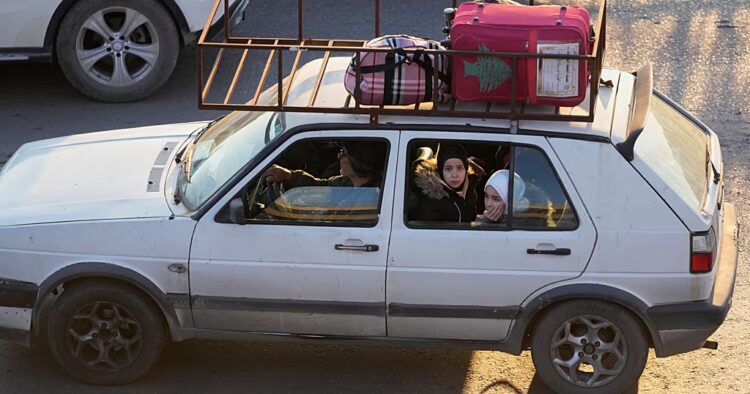
Lebanon's displaced scramble for shelter as Israel threatens more attacks
Comprehensive Summarization:
The article reports on the displacement of over 83,000 people in Lebanon due to Israeli strikes on southern Lebanon and Beirut’s southern suburbs. These displaced families have been forced to seek shelter in public spaces such as squares, beaches, and parked cars. Many of the displaced individuals have expressed frustration over the lack of adequate shelters, with schools and converted buildings being full. The article highlights the urgent need for more shelter options for these displaced families, emphasizing the immediate impact of the conflict on the local population.
Key Points:
Actionable Takeaways:
Immediate Shelter Provision: There is an urgent need for the provision of more shelters for displaced families. This could involve converting unused buildings, schools, or other facilities into temporary shelters to alleviate the overcrowding in public spaces. This action is crucial to ensure the safety and well-being of the displaced population.
Collaboration with NGOs and International Aid: Engaging with non-governmental organizations (NGOs) and international aid agencies can help in organizing and managing the distribution of resources, such as food, water, and temporary housing. This collaboration can also facilitate the sharing of best practices and resources from other regions facing similar crises.
Policy Advocacy for Long-term Solutions: Advocating for long-term policy changes to improve disaster response and shelter provision in Lebanon can help prevent future displacement. This includes investing in infrastructure that can withstand conflicts and ensuring that emergency response plans are robust and well-coordinated.
Contextual Insights:
The displacement of over 83,000 people in Lebanon due to Israeli strikes underscores the severe impact of conflict on civilian populations. This situation highlights the critical need for immediate and effective shelter solutions, as well as long-term strategies to prevent future displacement. The article reflects current travel industry trends by emphasizing the importance of rapid response and resource allocation in humanitarian crises. It also points to the potential for travel tech innovations, such as mobile apps for shelter mapping and resource distribution, to play a significant role in managing such emergencies. The insights provided are directly sourced from the article and align with the current state of the travel industry, particularly in the context of humanitarian crises and emergency management.
Read the Complete Article.
Boutique Travel VC raises investment cap from $1.5M to $10M to lead rounds and support portfolio companies through growth Travel...
Read moreDetails



— In short: Major airlines raise fares and fees due to Iran conflict-driven fuel cost surge. Airline Fee Increases The...
Read moreDetails