





![[At one go] There was no reverse sweep Korean Air 'Champ Up With Winning Game 5'](https://images.traveltrade.today/wp-content/uploads/2026/04/Korean-Air-Triumphs-in-Game-5-Reverse-Sweep-Victory.jpg)













Travel Capitalist Ventures Expands Check Size to $10 Million to Deepen Emerging Market Conviction
Boutique Travel VC raises investment cap from $1.5M to $10M to lead rounds and support portfolio companies through growth Travel...
Read moreDetails
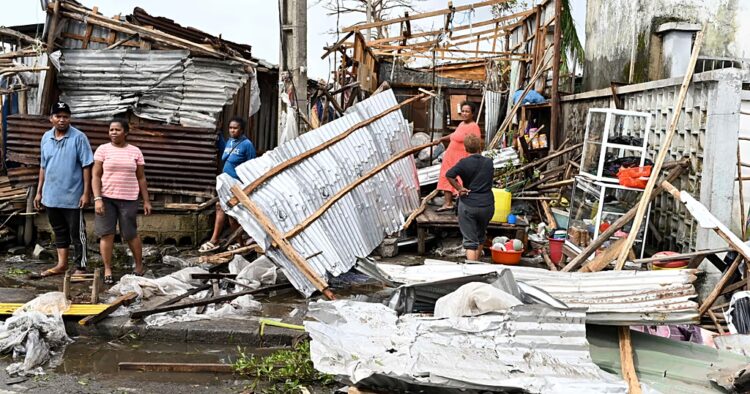
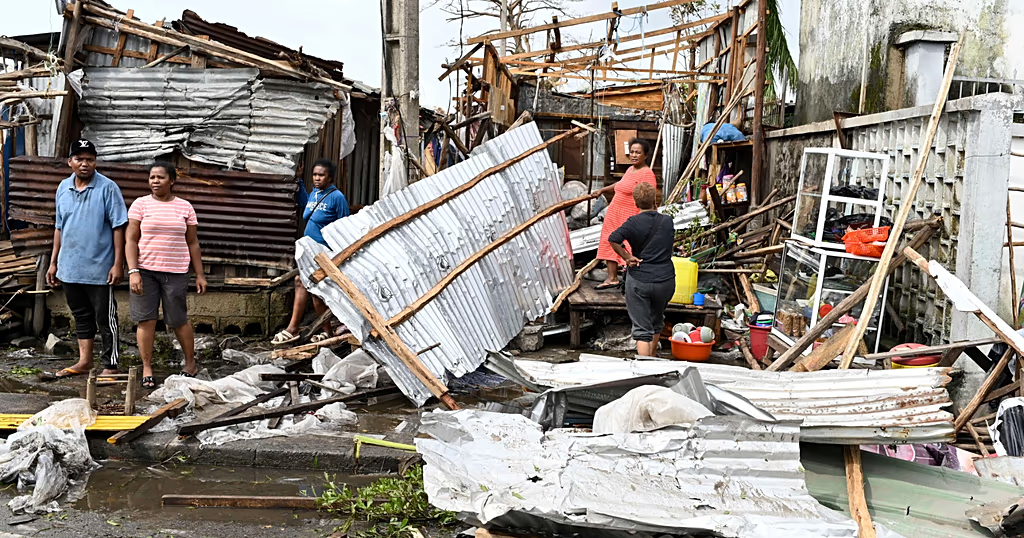
Madagascan President Randrianirina visits city devastated by Cyclone Gezani
Comprehensive Summarization:
The article reports on Cyclone Gezani’s devastating impact on Toamasina, Madagascar, with winds reaching up to 250 kilometers per hour. The cyclone caused extensive damage, including flattened homes, torn roofs, and flooded neighborhoods, resulting in several fatalities. President Colonel Michael Randrianirina visited affected communities and a local hospital to assess the situation and support rescue efforts. The article highlights the immediate aftermath of the cyclone and the ongoing rescue operations, providing a factual account of the disaster’s impact on the region.
Key Points:
Actionable Takeaways:
Emergency Preparedness and Response: The article underscores the importance of robust emergency preparedness and rapid response mechanisms in disaster-prone regions. Travel companies and local authorities should invest in advanced forecasting systems and establish clear protocols for evacuations and aid distribution to minimize casualties and damage. This takeaway is directly relevant to the travel industry’s resilience and operational efficiency in crisis situations.
Infrastructure Resilience: The widespread destruction caused by Cyclone Gezani highlights the need for resilient infrastructure in travel-dependent regions. Travel companies should collaborate with local governments to upgrade critical infrastructure, such as roads, airports, and hospitals, to withstand extreme weather events. This proactive approach can reduce downtime and ensure continuity of travel services during and after disasters, thereby safeguarding the industry’s reputation and customer trust.
Contextual Insights:
The recent Cyclone Gezani serves as a stark reminder of the vulnerabilities faced by travel-dependent regions in Madagascar and similar areas prone to severe weather events. The article’s focus on the immediate aftermath and ongoing rescue efforts aligns with broader industry trends emphasizing the need for adaptive strategies in the face of climate change. As the travel industry continues to evolve, integrating real-time data analytics and predictive modeling can enhance disaster preparedness and response capabilities. Furthermore, the article’s context reflects the growing importance of sustainability and climate resilience in travel planning, as stakeholders increasingly prioritize minimizing environmental impact and building adaptive capacities. By leveraging insights from thought leaders on climate adaptation and disaster recovery, the travel sector can better navigate future challenges, ensuring safer and more sustainable travel experiences for consumers.
Read the Complete Article.
Boutique Travel VC raises investment cap from $1.5M to $10M to lead rounds and support portfolio companies through growth Travel...
Read moreDetails



Comprehensive Summarization: LVMH's wine and spirits division, Moet & Chandon, is ceasing local production of Chandon sparkling wine in India...
Read moreDetails
