




No products in the cart.
- Latest
- Trending

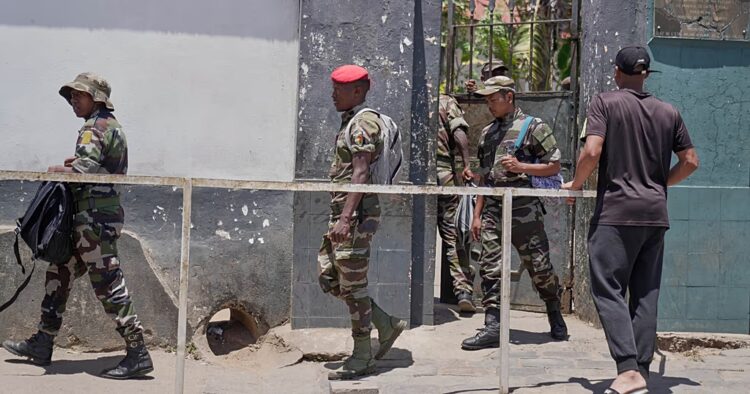
Madagascar: 13 charged in plot to kill interim leader Randrianirina
Comprehensive Summarization:
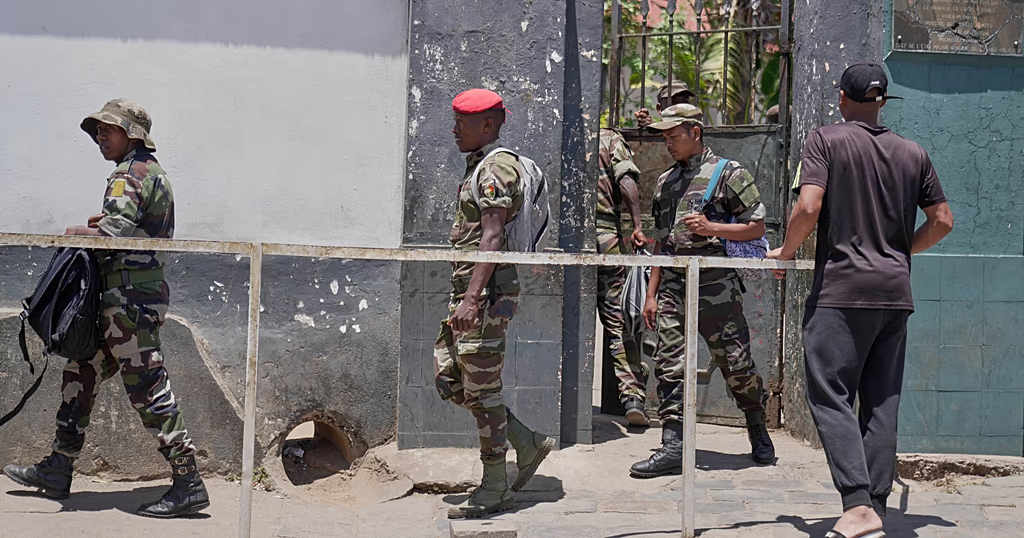
The article reports that Madagascar has charged 13 suspects, including a general, over an alleged plot to assassinate interim leader Michael Randrianirina. This comes as the country continues to grapple with political unrest following last year’s protests. Randrianirina took office in October following youth-led protests that led to the resignation of his predecessor, Andry Rajoelina. State prosecutor Narindra Navalona Rakotoniaina confirmed that 11 suspects have been placed in detention, while arrest warrants have been issued for others linked to the assassination plot targeting the 52-year-old leader. The article underscores the ongoing political instability in Madagascar and the security measures being taken in response to the alleged assassination plot.
Key Points:
Actionable Takeaways:
Political Stability and Security Measures: The charges against the suspects and the issuance of arrest warrants indicate a heightened focus on security and political stability in Madagascar. For travel companies and investors, this situation underscores the importance of monitoring political developments in emerging markets. Companies may need to reassess their risk assessments and contingency plans for operations in the region to mitigate potential disruptions caused by political instability.
Impact on Travel and Tourism: The political unrest and security concerns in Madagascar could have a significant impact on travel and tourism. Travelers may be hesitant to visit the country due to safety concerns, which could affect the travel industry’s performance in the region. Stakeholders in the travel sector should consider how to communicate safety measures and reassurances to potential travelers, as well as explore opportunities for supporting local businesses and tourism initiatives that could contribute to the country’s recovery and stability.
Contextual Insights:
The article reflects the current state of political unrest and security challenges in Madagascar, a key factor in the country’s travel and tourism sector. Recent trends indicate a growing emphasis on security and stability as critical factors influencing travel decisions, especially in regions with political volatility. Thought leaders in the travel industry emphasize the need for proactive risk management strategies, including enhanced security protocols, real-time monitoring of political developments, and effective communication with stakeholders to manage expectations and mitigate risks. The situation in Madagascar serves as a reminder of the interconnectedness of global political events and their direct impact on the travel industry, highlighting the importance of adaptability and resilience in navigating such challenges.
Read the Complete Article.
Get curated travel AI insights — choose the newsletters that matter to you.
ALTOUR Expands into Thailand, Strengthening Corporate Travel Network Across Southeast Asia BANGKOK, THAILAND (25 March, 2026) – ALTOUR, a leading...
Read moreDetails


Comprehensive Summarization: The article reports that Madagascar has charged 13 suspects, including a general, over an alleged plot to assassinate...
Read moreDetails