




















Travel Capitalist Ventures Expands Check Size to $10 Million to Deepen Emerging Market Conviction
Boutique Travel VC raises investment cap from $1.5M to $10M to lead rounds and support portfolio companies through growth Travel...
Read moreDetails
Mali creates company to manage mining holdings
Comprehensive Summarization:
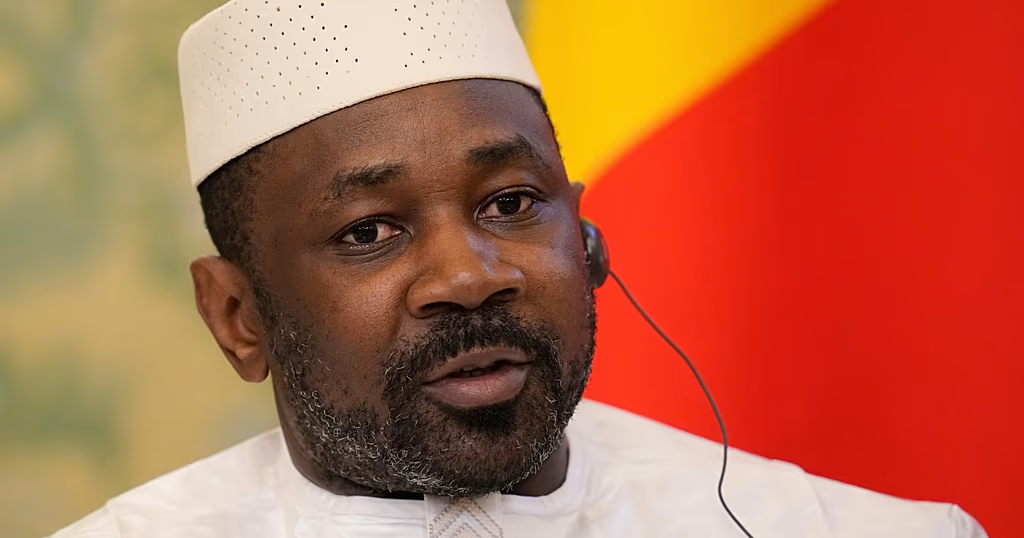
Mali’s government has announced plans to establish a state-owned company to manage the country’s mining interests, as reported by the council of ministers. This move comes after Mali’s junta tightened regulations on the mining sector, particularly in its long-standing dispute with Canadian miner Barrick Gold. The new company will be fully owned by the state of Mali and will be responsible for acquiring and managing the country’s mining assets. This initiative follows similar actions taken by neighboring countries Niger and Guinea, who have also created state-owned companies to manage their mining interests. Mali is recognized as one of Africa’s largest gold producers, making this development significant for the country’s economy and the broader mining sector in Africa.
Key Points:
Actionable Takeaways:
Potential Economic Boost for Mali: The establishment of a state-owned mining company could lead to increased government revenue through taxes and royalties, providing funds for infrastructure and social development projects. This could enhance Mali’s economic stability and growth, benefiting its professional and tourism sectors.
Impact on Mining Sector Competitiveness: By consolidating mining interests under state ownership, Mali may improve regulatory efficiency and reduce conflicts with foreign miners like Barrick Gold. This could streamline operations, enhance safety standards, and potentially increase the country’s share in the global gold market, thereby boosting Mali’s export capabilities and attracting further foreign investment in the mining sector.
Opportunities for Local Employment and Skills Development: The creation of a state-owned mining company presents opportunities for local employment, particularly in skilled positions such as engineering, geology, and management. This could contribute to the professional development of Mali’s workforce and foster a skilled labor pool that can support other sectors of the economy, including tourism and technology.
Contextual Insights:
The creation of a state-owned mining company in Mali reflects broader trends in Africa where governments are seeking to regain control over strategic sectors like mining, which are crucial for economic development. This move aligns with the continent’s push towards resource nationalism, where countries aim to maximize the benefits derived from their natural resources. In the context of travel and tourism, improved mining sector governance could enhance Mali’s reputation as a stable and secure destination for investors and tourists alike. As Mali strengthens its mining sector, it may also improve its infrastructure and regulatory environment, making it more attractive for international tourists interested in adventure, cultural experiences, and eco-tourism opportunities. Furthermore, the focus on gold production, a key export for Mali, could stimulate related industries such as jewelry manufacturing and tourism services catering to gold enthusiasts, thereby diversifying Mali’s economy and enhancing its appeal to a broader range of travelers.
Read the Complete Article.
Boutique Travel VC raises investment cap from $1.5M to $10M to lead rounds and support portfolio companies through growth Travel...
Read moreDetails



Comprehensive Summarization: Kenya Airways has reported flight disruptions at Jomo Kenyatta International Airport (JKIA) due to low visibility. The airline...
Read moreDetails
