






No products in the cart.
- Latest
- Trending

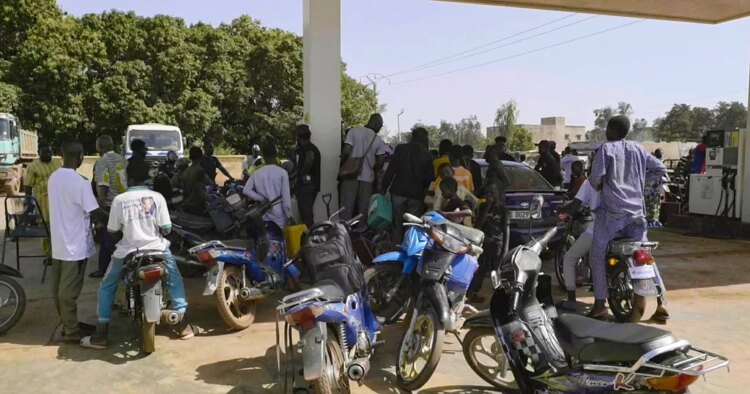
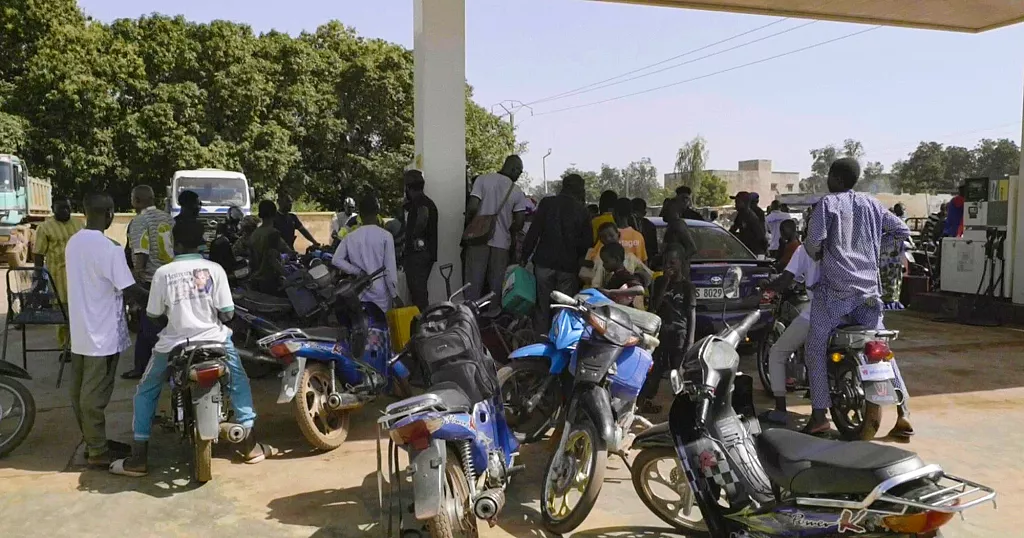
Some fuel stations, schools reopen in Mali amid jihadist blockade
Article Summary:
The article reports on the reopening of fuel stations in Mali’s capital, Bamako, for the first time since an al-Qaida affiliate imposed a fuel blockade. This development coincides with the opening of schools in the city for the first time since the blockade began two weeks ago. The reopening of fuel stations and schools indicates a potential easing of the blockade’s impact on daily life and economic activities in Bamako. However, concerns remain about the availability of fuel and its sustainability, as many petrol stations are still closed due to a lack of fuel.
Key Points:
Actionable Takeaways:
Contextual Insights:
The reopening of fuel stations and schools in Bamako reflects a potential shift in the geopolitical landscape of Mali, which has been plagued by instability and conflict in recent years. This development aligns with broader trends in the travel industry towards risk assessment and mitigation, particularly in regions with high security risks. Thought leaders in the travel sector emphasize the importance of real-time intelligence and flexible travel planning to navigate such uncertainties.
The article also highlights the interconnectedness of various sectors, such as fuel supply, education, and tourism. Disruptions in one sector can have cascading effects on others, as seen with the impact of the fuel blockade on school reopenings. This interconnectedness underscores the need for integrated risk management strategies in the travel industry, where decisions in one area can influence outcomes in others.
In the context of travel tech and fintech, the article suggests opportunities for innovation in ensuring fuel supply continuity and facilitating safe transactions in volatile regions. Startups focusing on logistics optimization, secure payment solutions, and real-time risk assessment tools could find valuable applications in supporting travel companies operating in regions with similar challenges.
Read the Complete Article.
Get curated travel AI insights — choose the newsletters that matter to you.
ALTOUR Expands into Thailand, Strengthening Corporate Travel Network Across Southeast Asia BANGKOK, THAILAND (25 March, 2026) – ALTOUR, a leading...
Read moreDetails


Comprehensive Summarization: The article reports on disruptions caused by the cancellation of three flights operated by Delta Air Lines and...
Read moreDetails