









No products in the cart.
- Latest
- Trending

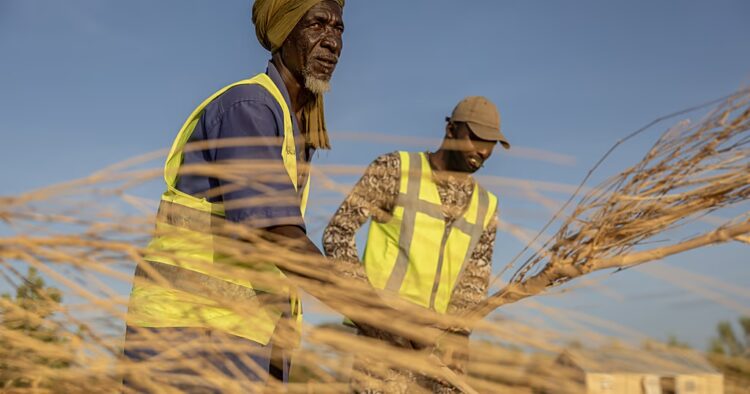
Malian refugees turn to firefighting to give back to their communities in Mauritania
Article Summary:
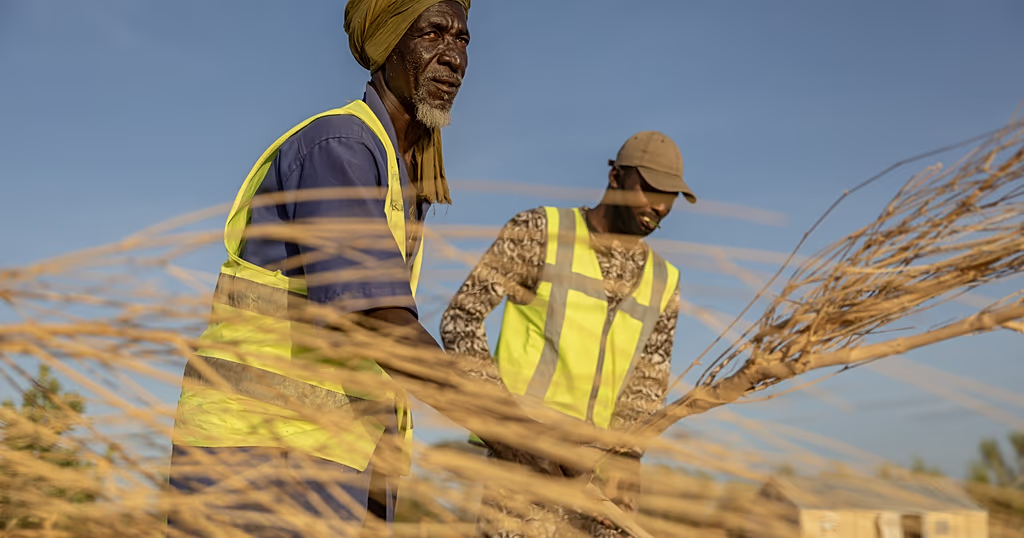
The article discusses the efforts of refugee firefighters in Mauritania who use traditional techniques to combat bushfires in their region. These firefighters, alongside local Mauritanians and over 250,000 refugees from Mali, rely on the scarce vegetation for their livestock. The article highlights the deadly nature of bushfires in this West African region, which can break out quickly and last for days. The firefighters’ expertise in cracking wood against dry grasslands is crucial for their survival and the protection of their livestock.
Key Points:
Actionable Takeaways:
Contextual Insights:
The article provides a stark reminder of the challenges faced by communities in regions prone to bushfires, particularly in areas where resources are scarce and livelihoods are closely tied to the land. The use of traditional techniques by refugee firefighters highlights the resilience and adaptability of these communities in the face of adversity. This context is crucial for understanding the broader implications of bushfire management in the region.
In the context of current travel industry trends, the article underscores the importance of sustainable and resilient infrastructure in fire-prone areas. Travel startups and fintech innovations could focus on developing solutions that support local communities in bushfire-prone regions. For instance, fintech solutions could facilitate access to emergency funds for affected communities, while travel tech could offer real-time updates and safety guidelines for travelers planning to visit these areas. By integrating these insights, the travel industry can play a proactive role in supporting communities and ensuring safer travel experiences in high-risk regions.
Read the Complete Article.
Get curated travel AI insights — choose the newsletters that matter to you.
ALTOUR Expands into Thailand, Strengthening Corporate Travel Network Across Southeast Asia BANGKOK, THAILAND (25 March, 2026) – ALTOUR, a leading...
Read moreDetails


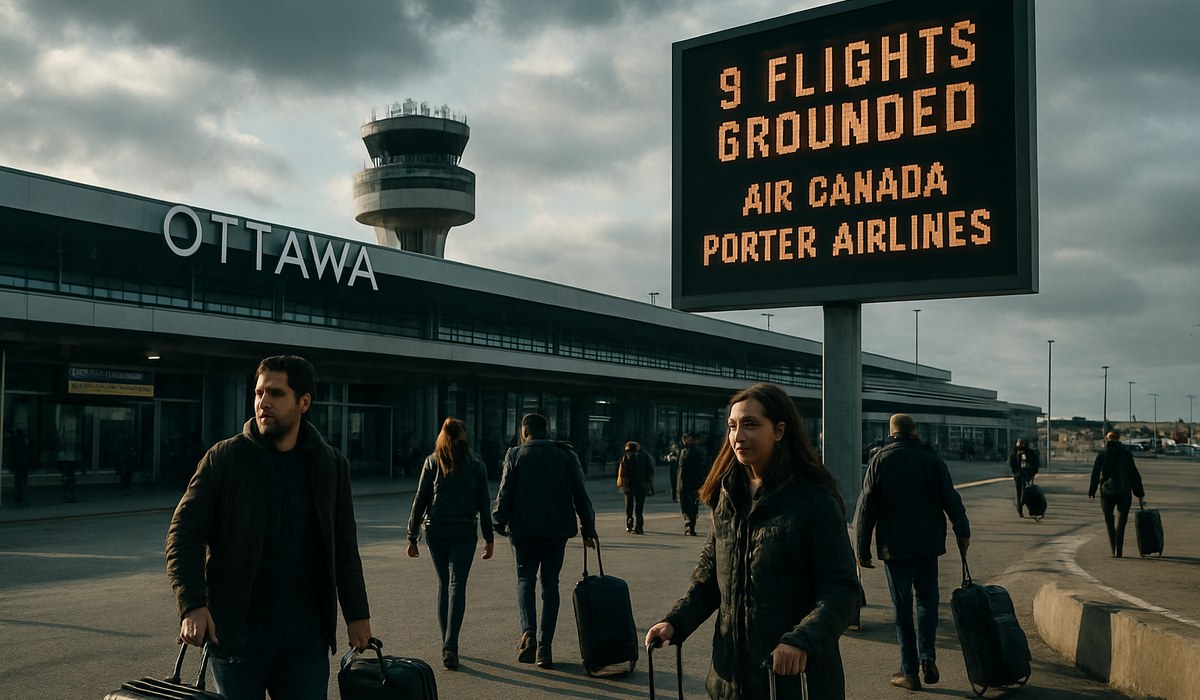
Comprehensive Summarization: The article reports a significant operational disruption at Ottawa Macdonald–Cartier International Airport (YOW) on March 20, 2026, when...
Read moreDetails