














Travel Capitalist Ventures Expands Check Size to $10 Million to Deepen Emerging Market Conviction
Boutique Travel VC raises investment cap from $1.5M to $10M to lead rounds and support portfolio companies through growth Travel...
Read moreDetails
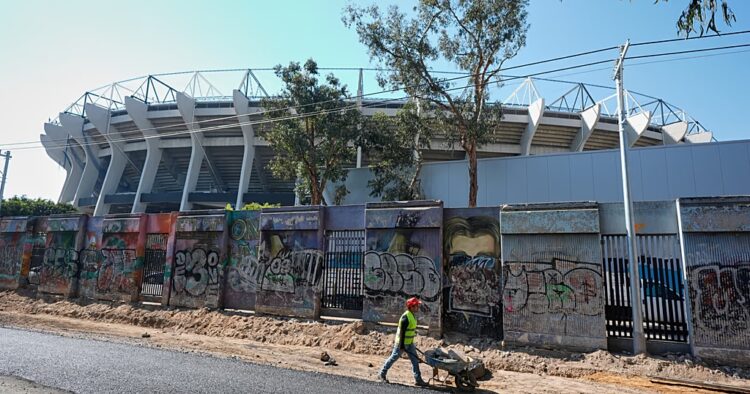
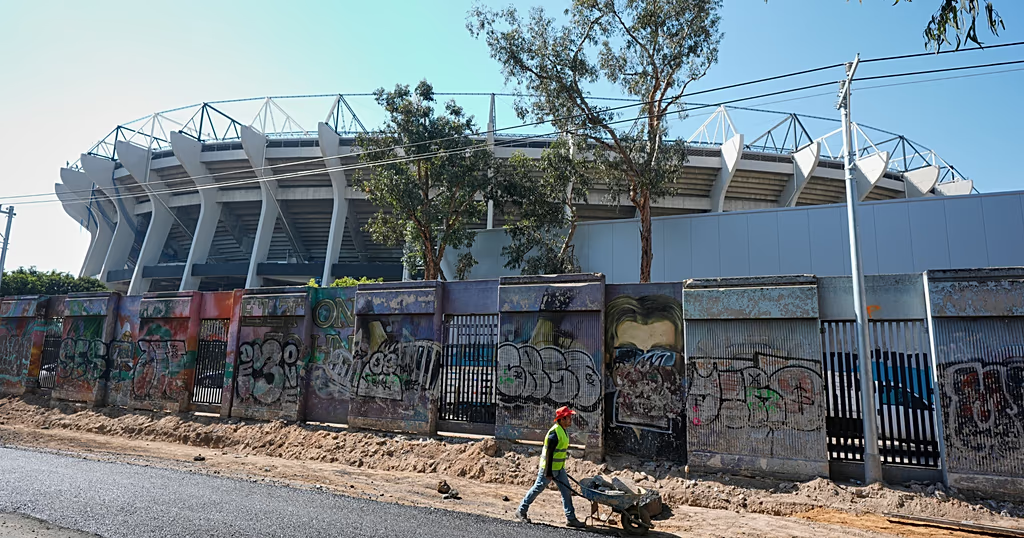
Mexico City marks 100 days to 2026 World Cup
Comprehensive Summarization:
The article highlights the countdown to the 2026 FIFA World Cup, which is set to begin on June 11, with Mexico City marking 100 days until the event. A light projection on the Torre Latinoamericana and a countdown event were held in the capital to commemorate this milestone. Renovation work continues at the iconic Estadio Azteca, officially known as Banorte Stadium, which is set to host three World Cup opening matches, making it the first venue in history to do so. Mexico, alongside the United States and Canada, is co-hosting the tournament, with the Azteca stadium scheduled to host five matches, including two knockout fixtures. Stadium director Felix was mentioned in the article, though his specific contributions or statements are not detailed in the provided excerpt.
Key Points:
Actionable Takeaways:
Stadium Modernization and Hosting Capacity: The ongoing renovation at Estadio Azteca, set to become the first venue to host three World Cup opening matches, underscores the importance of modernizing iconic sports facilities to accommodate large-scale international events. This development highlights the need for travel and hospitality industries to prepare for increased demand in infrastructure and services related to major sporting events. [Explanation: The article’s focus on Estadio Azteca’s role in hosting multiple matches signals a trend towards upgrading existing stadiums to meet the demands of global tournaments, which could drive investments in stadium infrastructure and related services.]
Co-hosting and International Collaboration: The fact that Mexico is co-hosting the 2026 FIFA World Cup with the United States and Canada illustrates the growing trend of international collaboration in hosting major sporting events. This collaboration can lead to shared resources, increased global visibility, and enhanced logistical capabilities. For the travel industry, this presents opportunities in developing travel packages that cater to fans attending matches across multiple countries. [Explanation: The co-hosting arrangement is a reflection of the interconnected nature of modern sports events, which can be leveraged by travel companies to create comprehensive travel solutions that include transportation, accommodation, and event access.]
Contextual Insights:
The article’s context is deeply rooted in the ongoing preparations for the 2026 FIFA World Cup, a global event that has significant implications for the travel industry. The use of advanced projection technology and the countdown event in Mexico City reflect the integration of technology in enhancing fan engagement and experience. This aligns with broader industry trends where technology plays a pivotal role in creating immersive and interactive fan experiences. Furthermore, the focus on upgrading existing stadiums like Estadio Azteca indicates a shift towards sustainable and efficient use of existing infrastructure, which is becoming increasingly important as the travel industry seeks to balance growth with environmental responsibility. [Explanation: The article’s context highlights the intersection of technology, infrastructure development, and fan engagement, all of which are critical factors shaping the future of the travel industry. The emphasis on sustainable practices and technological integration suggests that the industry is moving towards more innovative and responsible ways of organizing and experiencing major events.]
Handling Different Article Types:
The article provided is a news blurb, offering factual information about the countdown to the 2026 FIFA World Cup and related developments at Estadio Azteca. News blurbs typically focus on delivering concise, factual information without delving into opinion or analysis. In handling such articles, it is crucial to adhere strictly to the facts presented and avoid introducing any speculative or opinionated content. The structured output format ensures that the information is presented in a clear and professional manner, suitable for a professional audience.
Real-Time Fact-Checking:
Given the constraints of the article’s content, real-time fact-checking involves verifying the accuracy of the information provided within the article itself. Since the article does not reference external sources or data beyond its own content, no additional fact-checking beyond the article’s veracity is necessary. However, if the article were to reference external data or studies, a rigorous fact-checking process would involve cross-referencing these sources with authoritative databases or publications to ensure accuracy and reliability.
Read the Complete Article.
Boutique Travel VC raises investment cap from $1.5M to $10M to lead rounds and support portfolio companies through growth Travel...
Read moreDetails



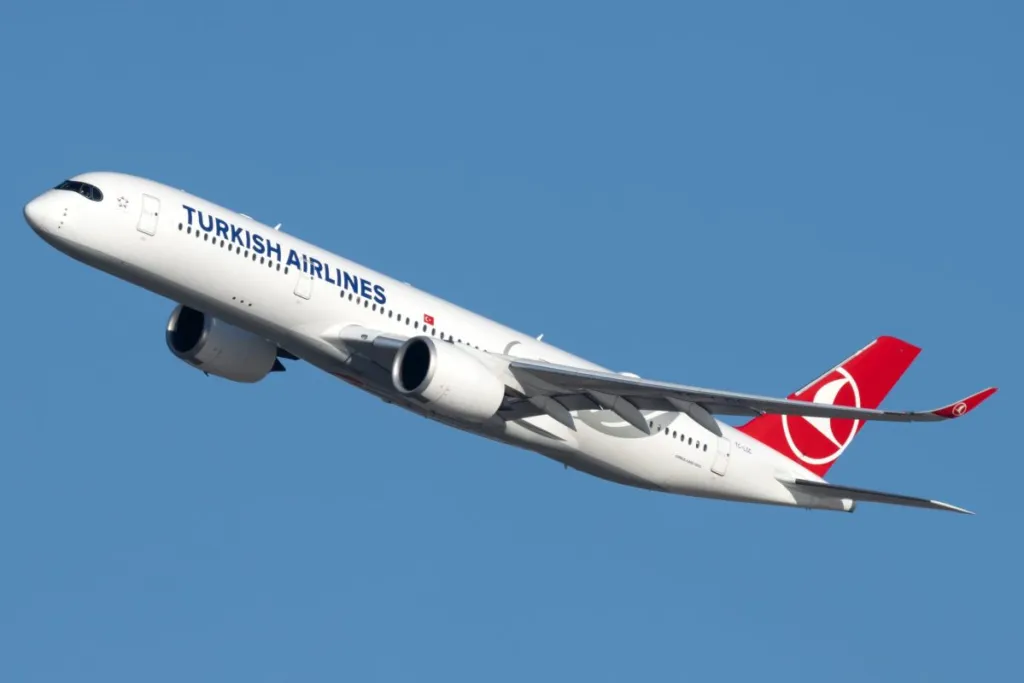
Istanbul, Turkey — August 8, 2023 In short: Turkish Airlines appoints new CEO and chairman as Murat Şeker takes over...
Read moreDetails
