










No products in the cart.
- Latest
- Trending

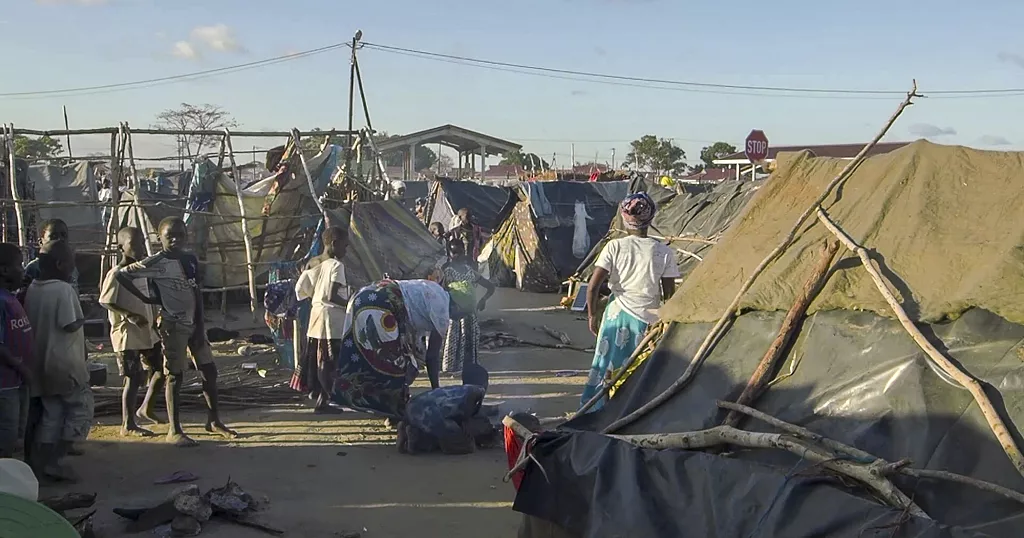
Mozambique violence forces 100,000 to flee as displacement crisis deepens
Article Summary:
In northern Mozambique, approximately 100,000 people have been displaced in recent weeks due to armed groups storming villages, resulting in the burning of homes and attacks on civilians. This displacement has led to overcrowded schools, churches, and open spaces in Nampula Province, placing pressure on already fragile host communities. This is the fourth significant influx of displaced people in recent months, with the conflict in Cabo Delgado, led by fighters affiliated with the Islamic State, having displaced over 1.3 million people since its inception. The article highlights the ongoing crisis and its impact on host communities, emphasizing the need for attention to the humanitarian and logistical challenges arising from this conflict.
Key Points:
Actionable Takeaways:
Contextual Insights:
The displacement crisis in northern Mozambique is a stark reminder of the ongoing challenges faced by regions affected by conflict. The situation in Cabo Delgado underscores the vulnerability of communities in areas with high levels of insecurity. The influx of displaced people into host communities highlights the importance of preparedness and resilience in humanitarian response. It also emphasizes the need for integrated approaches that address both immediate relief needs and long-term development. From a travel industry perspective, this crisis could impact tourism in the region, necessitating careful monitoring and strategic planning to mitigate potential negative effects. Thought leaders in the travel sector should consider how to support sustainable tourism initiatives that contribute to peacebuilding and economic recovery in conflict-affected areas.
Read the Complete Article.
Get curated travel AI insights — choose the newsletters that matter to you.
ALTOUR Expands into Thailand, Strengthening Corporate Travel Network Across Southeast Asia BANGKOK, THAILAND (25 March, 2026) – ALTOUR, a leading...
Read moreDetails


Comprehensive Summarization: The article reports on recent developments concerning Iranian nationals holding residence visas in the UAE. Reports from UAE...
Read moreDetails