
















Travel Capitalist Ventures Expands Check Size to $10 Million to Deepen Emerging Market Conviction
Boutique Travel VC raises investment cap from $1.5M to $10M to lead rounds and support portfolio companies through growth Travel...
Read moreDetails
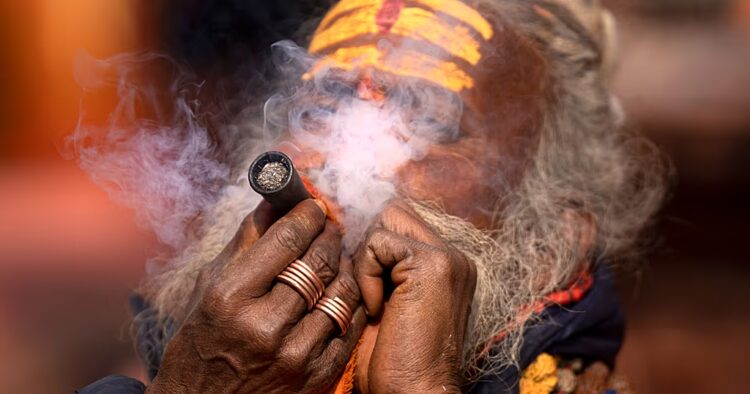
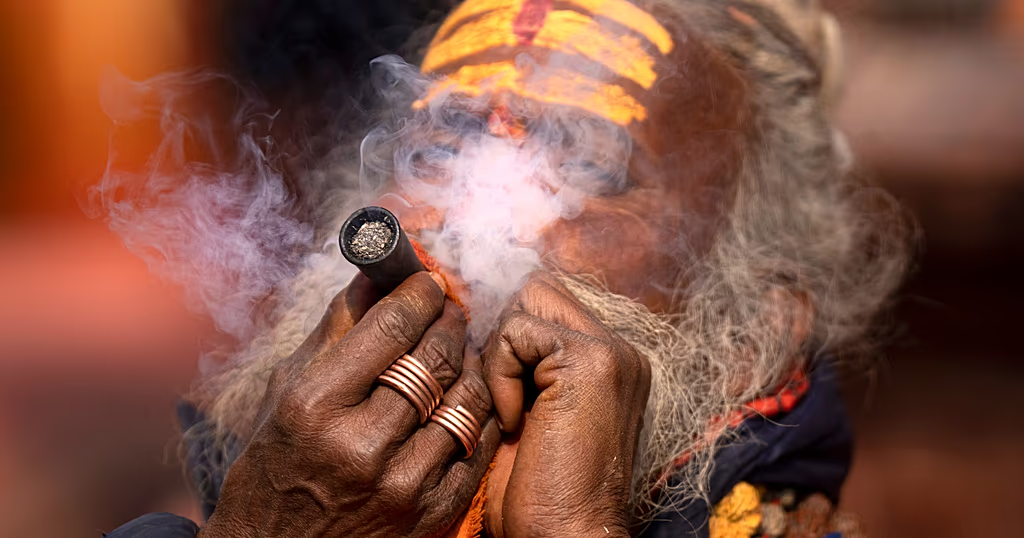
Nepal: Watch cannabis rituals unfold during Shivaratri in Kathmandu
Comprehensive Summarization:
The article highlights Nepal’s observance of Shivaratri, a significant Hindu festival, where thousands of devotees, including those from India, gathered in Kathmandu to participate in rituals at the Pashupatinath Temple. Notably, the article discusses the unique aspect of marijuana use being permitted during the festival, reflecting Shiva’s historical association with cannabis, despite the country’s nationwide ban on marijuana since 1976. The event underscores the tension between tradition and law, as well as the cultural significance of the festival, drawing crowds from across Nepal and neighboring countries.
Key Points:
Actionable Takeaways:
Cultural Tourism Opportunities: The festival presents a unique opportunity for cultural tourism, showcasing Nepal’s rich heritage and the unique traditions surrounding Shivaratri. Travel agencies and tour operators could develop specialized packages to attract international tourists interested in experiencing this cultural event, thereby boosting the travel and hospitality sector.
Regulatory Considerations: The article underscores the ongoing debate around marijuana legalization in Nepal. Stakeholders, including policymakers and tourism boards, should consider the potential economic benefits of decriminalization, particularly in festivals where such substances are traditionally used. This could lead to a more nuanced approach to drug policy that balances cultural practices with public health and safety concerns.
Contextual Insights:
The festival of Shivaratri is deeply rooted in Nepal’s cultural and religious fabric, offering a unique lens through which to view the intersection of tradition and law. The allowance of marijuana use during the festival reflects Nepal’s complex regulatory environment, where cultural practices often take precedence over strict legal prohibitions. This scenario is reflective of broader trends in the travel industry, where cultural experiences are increasingly sought after by global tourists. As the travel industry continues to evolve, understanding and leveraging such cultural nuances can provide a competitive edge, particularly for startups and businesses focused on niche tourism segments. The article also hints at the potential for innovation in travel tech, particularly in the areas of cultural tourism and regulatory compliance, as operators seek to navigate the evolving landscape of travel regulations and consumer expectations.
Read the Complete Article.
Boutique Travel VC raises investment cap from $1.5M to $10M to lead rounds and support portfolio companies through growth Travel...
Read moreDetails



Comprehensive Summarization: The article reports that cruise passenger traffic in Türkiye reached its highest level in 16 years in March...
Read moreDetails
