








No products in the cart.
- Latest
- Trending


Botswana: UK Imposes Visa On Botswana Nationals
Article Summary:
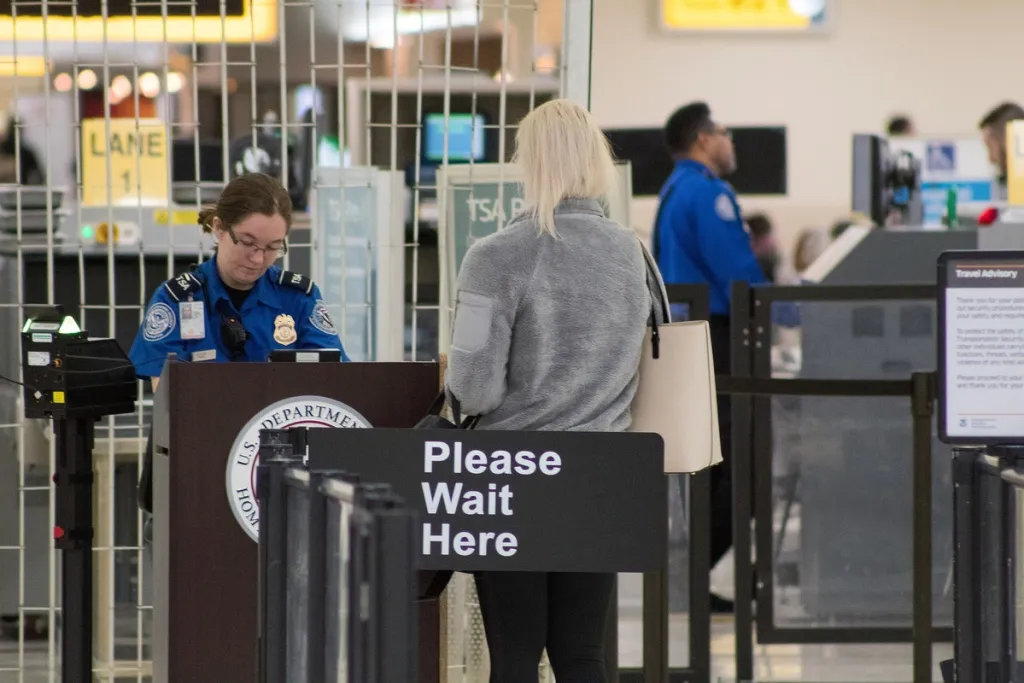
The article discusses a new travel restriction imposed by the Donald Trump administration on Nigerians seeking to enter the United States on a B1/B2 visa. This restriction requires Nigerians to post bonds of up to $15,000 before being granted entry. The US Department of State announced this policy in a notice on their website. The B1/B2 visa allows for short-term travel for business and tourism purposes, such as attending meetings, conferences, or visiting family and friends. This new policy, effective from January 21, follows a few weeks after another US travel policy change.
Key Points:
Actionable Takeaways:
Contextual Insights:
The imposition of this bond requirement by the US administration highlights the ongoing challenges in international travel, particularly in maintaining security while facilitating legitimate travel. This policy aligns with broader trends of increased scrutiny in visa applications across the globe. For the travel industry, this underscores the importance of staying informed about policy changes and being agile in adapting to new regulatory environments. Additionally, the context of recent travel trends, such as the rise of digital travel solutions and the increasing importance of fintech in travel financing, suggests that the industry must continue to innovate to meet evolving traveler needs and regulatory demands.
Read the Complete Article.
Get curated travel AI insights — choose the newsletters that matter to you.
This spot is reserved for brands with a compelling story for the travel trade. They use this space to cut...
Read moreDetailsALTOUR Expands into Thailand, Strengthening Corporate Travel Network Across Southeast Asia BANGKOK, THAILAND (25 March, 2026) – ALTOUR, a leading...
Read moreDetails


Comprehensive Summarization: The article from INSETE highlights a significant 5.9% increase in international air arrivals to Greece in 2025, reaching...
Read moreDetails