




No products in the cart.
- Latest
- Trending


Botswana: UK Imposes Visa On Botswana Nationals
Article Summary:
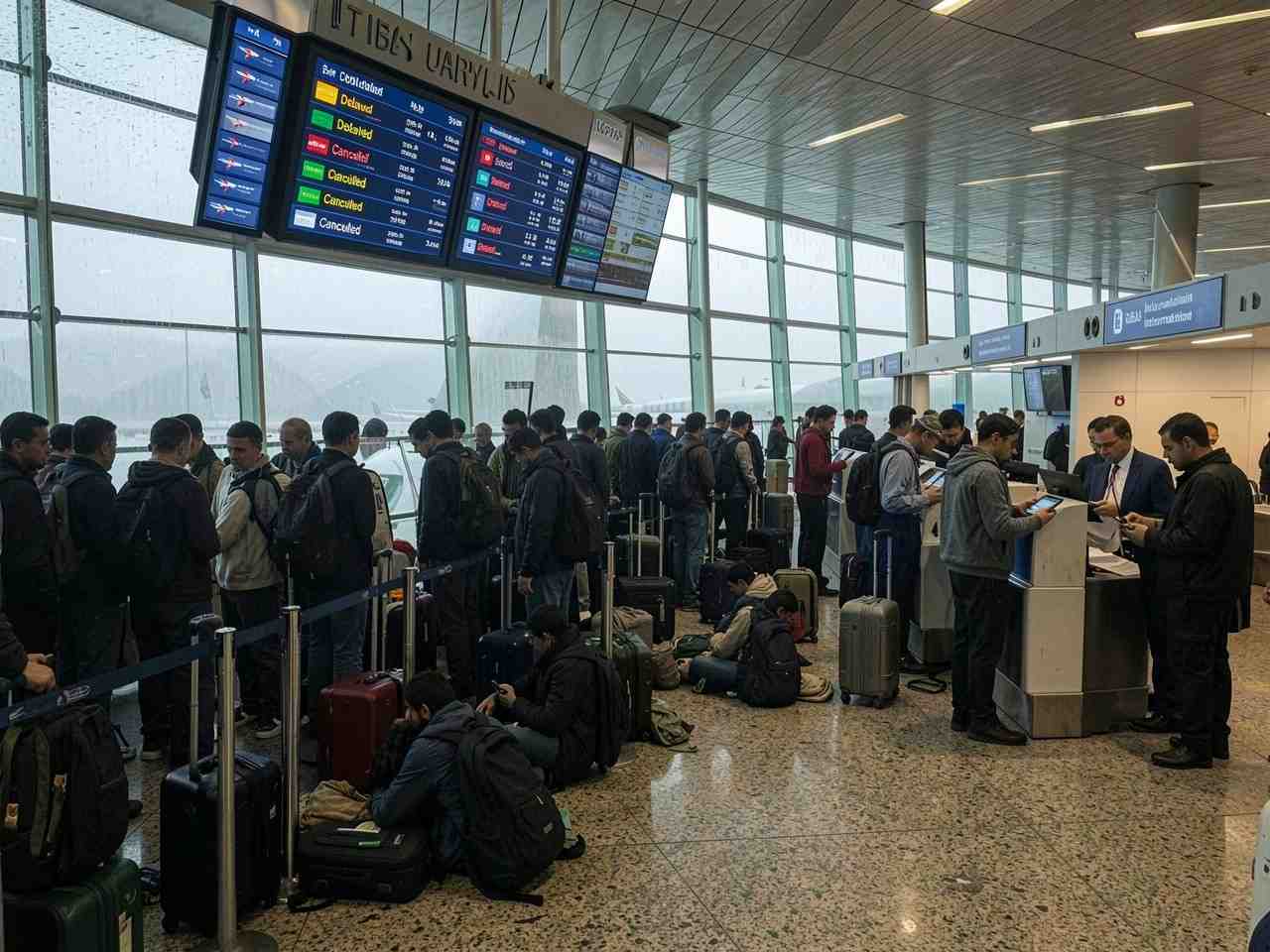
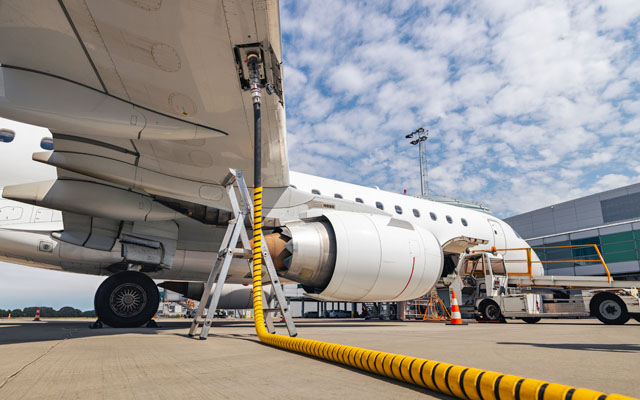
The article discusses the anticipated impact of the harmattan season on air travel in Nigeria, highlighting expected flight delays and cancellations due to reduced visibility caused by fine dust particles in the atmosphere. It emphasizes the challenges pilots face during this period, often described as “flying blind,” and notes that while Instrument Landing Systems (ILS) could mitigate these issues, only a limited number of Nigerian airports are equipped with functional ILS systems. The article also touches on the broader context of travel trends and the limited availability of such systems across the country’s extensive airport network.
Key Points:
Actionable Takeaways:
Contextual Insights:
The article reflects the ongoing challenges faced by the Nigerian aviation industry in managing adverse weather conditions, particularly during the harmattan season. The reliance on outdated or insufficiently equipped infrastructure, such as the limited number of airports with functional ILS systems, underscores the need for strategic investments in aviation technology. As the travel industry continues to evolve, with a growing emphasis on safety, efficiency, and passenger experience, the adoption of advanced technologies like ILS becomes increasingly critical. Furthermore, the article aligns with broader travel trends focusing on enhancing operational resilience and passenger safety, particularly in regions prone to seasonal weather challenges. By addressing these infrastructure gaps, the Nigerian aviation sector can better position itself to meet the demands of a growing and increasingly safety-conscious travel market.
Read the Complete Article.
Get curated travel AI insights — choose the newsletters that matter to you.
This spot is reserved for brands with a compelling story for the travel trade. They use this space to cut...
Read moreDetailsALTOUR Expands into Thailand, Strengthening Corporate Travel Network Across Southeast Asia BANGKOK, THAILAND (25 March, 2026) – ALTOUR, a leading...
Read moreDetails


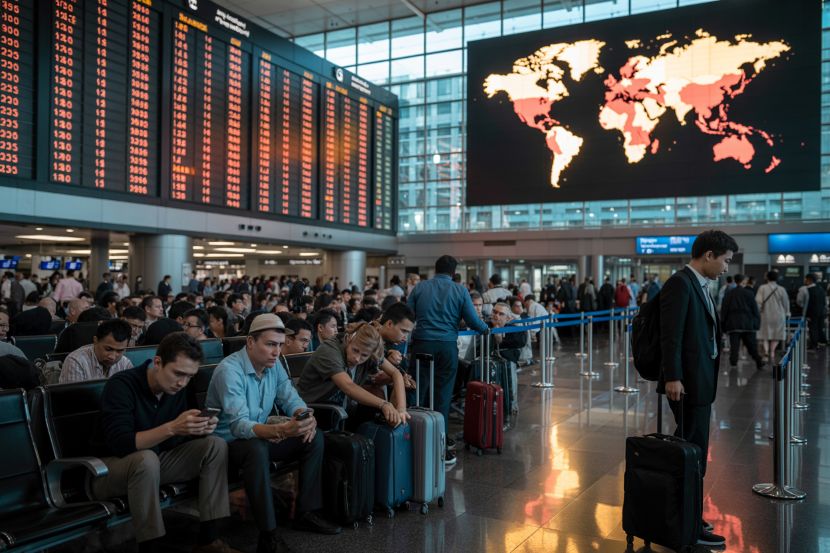
Comprehensive Summarization: The article highlights the significant impact of geopolitical tensions involving the United States, Israel, and Iran on the...
Read moreDetails