Comprehensive Summarization:
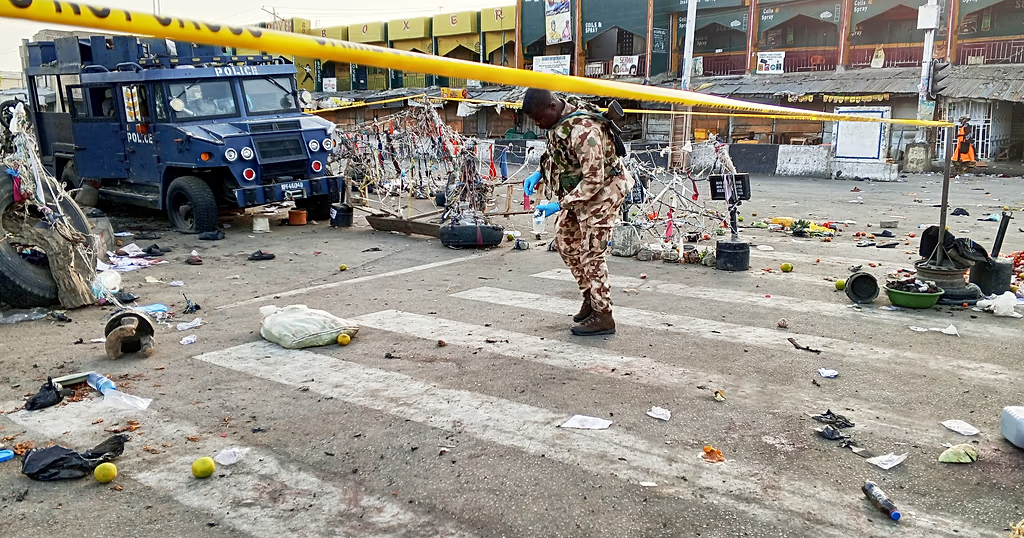
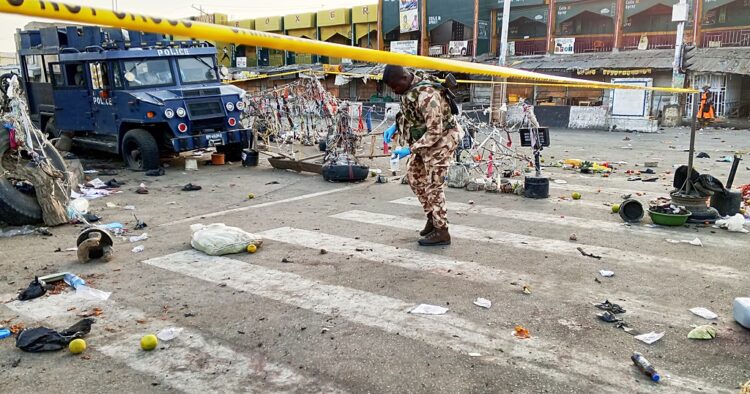
On Monday evening, coordinated blasts by suspected suicide bombers struck a busy market, the entrance of Maiduguri’s largest teaching hospital, and a post office axis in the Nigerian city of Maiduguri, killing at least 23 people and wounding over 100 others. This attack, one of the worst in recent times, occurred just after people in the predominantly Muslim city concluded their Ramadan fasts. The military attributed the blasts to suspected Boko Haram militants and issued a warning of an “increased threat” of such attacks during the final days of Ramadan. The city, with a population of around 1.2 million, is located in Borno state, Nigeria.
Key Points:
- Three coordinated blasts occurred in Maiduguri, Nigeria, targeting a main market, the entrance of the largest teaching hospital, and a post office axis.
- The blasts happened just after people broke their Ramadan fasts on Monday evening.
- The military blamed the attacks on suspected Boko Haram militants.
- The city of Maiduguri, with a population of approximately 1.2 million, is in Borno state, Nigeria.
- The military has warned of an increased threat of suicide attacks during the final days of Ramadan.
Actionable Takeaways:
-
Enhanced Security Measures in High-Risk Areas: Given the recent attacks in Maiduguri, there is a pressing need for enhanced security measures in high-risk areas, particularly in regions with a significant Muslim population and during religious observances like Ramadan. This could involve increased surveillance, improved coordination between security agencies, and public awareness campaigns to educate citizens about potential threats.
-
Investment in Early Warning Systems: The warning from the military about an increased threat of suicide attacks suggests a need for investment in early warning systems. These systems could leverage technology, such as AI and machine learning, to analyze patterns and predict potential threats before they occur. This proactive approach could significantly reduce the impact of future attacks.
-
Strengthening Collaboration Between Security Agencies: The military’s warning indicates a heightened state of alert. Strengthening collaboration between different security agencies, including local, state, and federal bodies, could improve response times and effectiveness. This could involve regular joint training exercises, information sharing platforms, and unified command structures.
Contextual Insights:
The recent attacks in Maiduguri highlight the ongoing security challenges faced by Nigeria, particularly in regions with a significant Muslim population and during religious observances. The context of Ramadan adds a layer of complexity, as attacks during this holy month can have a heightened impact due to the increased religious fervor and potential for heightened emotions. This situation underscores the importance of integrating security measures with cultural and religious sensitivities. Furthermore, the article’s context aligns with broader travel industry trends, such as the increasing focus on security and safety in travel planning. As the travel industry continues to evolve, innovations in travel tech, such as AI-driven security systems and enhanced communication platforms, will play a crucial role in mitigating risks and ensuring safe travel experiences.
Read the Complete Article.