







No products in the cart.
- Latest
- Trending

Novartis reveals new drug to fight malaria resistance and transmission
Article Summary:
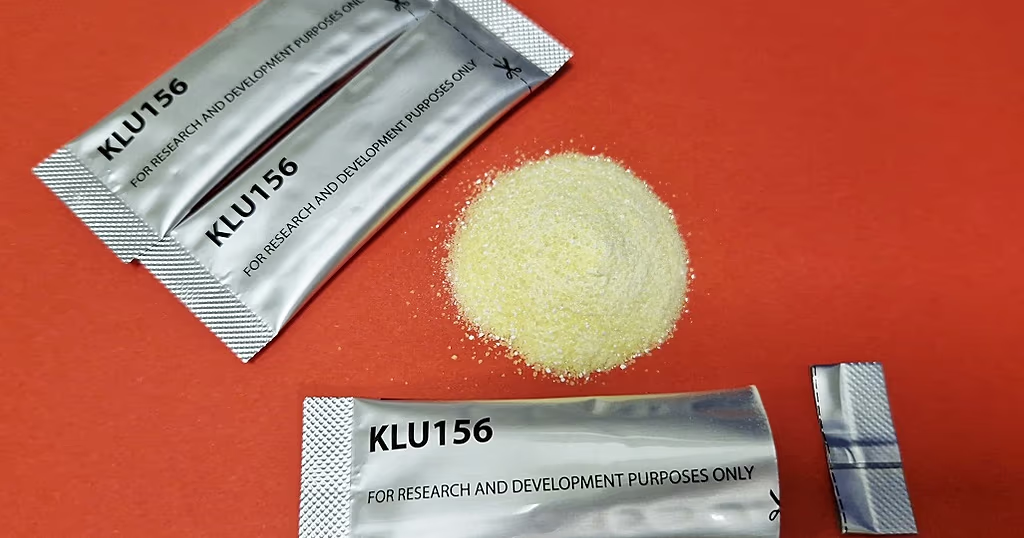
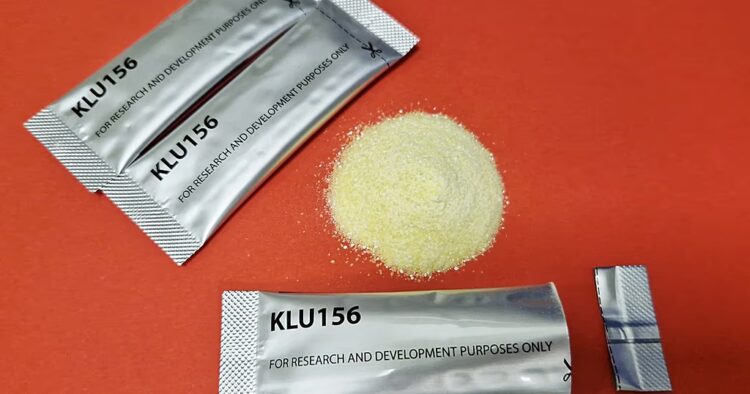
Novartis, a leading Swiss pharmaceutical company, has introduced a next-generation malaria treatment named GanLum. This innovative drug has demonstrated a remarkable 97% cure rate in a study involving 1,700 patients across 12 African countries. Beyond treating the disease, GanLum also shows potential in blocking disease transmission by targeting the parasite during its lifecycle. This breakthrough could be pivotal in combating drug-resistant strains of the malaria parasite, offering a dual advantage of treatment and prevention.
Key Points:
Actionable Takeaways:
Contextual Insights:
The introduction of GanLum by Novartis aligns with the ongoing global efforts to combat drug-resistant strains of malaria, a critical issue in tropical and subtropical regions where travel is prevalent. This breakthrough underscores the importance of continued investment in medical research and development within the travel industry. As travel trends continue to favor destinations with rich cultural experiences, the assurance of health and safety becomes a key differentiator for travel providers. Thought leaders in the travel sector are likely to emphasize the importance of health-centric travel packages, leveraging innovations like GanLum to attract health-conscious travelers. Furthermore, the potential for reduced healthcare costs and improved travel safety could influence travel insurance policies, making them more attractive to consumers seeking comprehensive coverage for their journeys.
Read the Complete Article.
Get curated travel AI insights — choose the newsletters that matter to you.
ALTOUR Expands into Thailand, Strengthening Corporate Travel Network Across Southeast Asia BANGKOK, THAILAND (25 March, 2026) – ALTOUR, a leading...
Read moreDetails


Comprehensive Summarization: The article discusses a significant shift in the global travel landscape as of March 30, 2026, when 56...
Read moreDetails