


















Travel Capitalist Ventures Expands Check Size to $10 Million to Deepen Emerging Market Conviction
Boutique Travel VC raises investment cap from $1.5M to $10M to lead rounds and support portfolio companies through growth Travel...
Read moreDetails
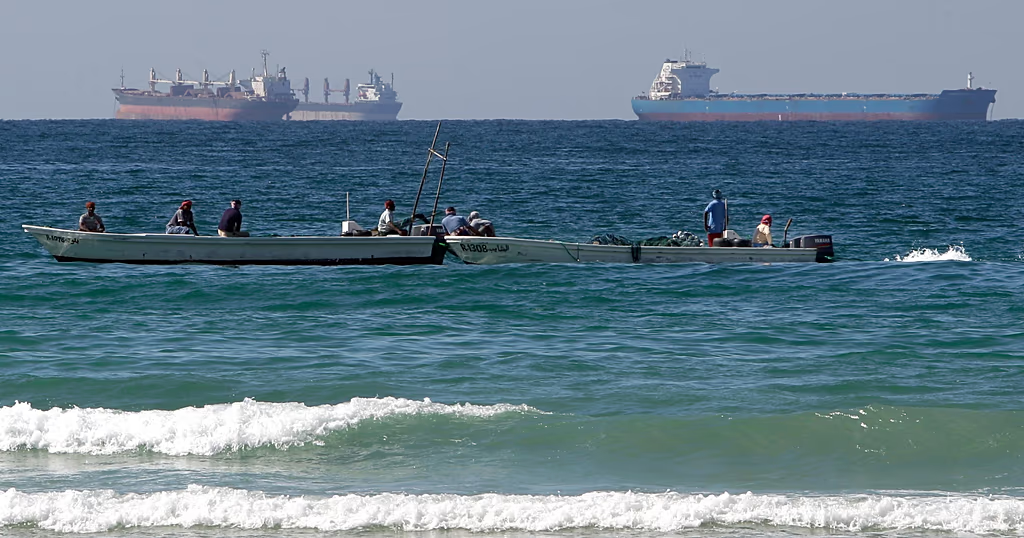
Oil prices surge, Asian stocks fall over Iran conflict
Comprehensive Summarization:
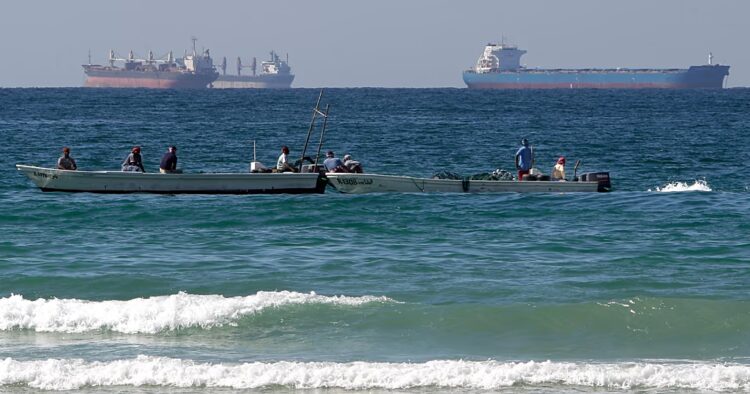
The article reports on the significant impact of Middle Eastern turmoil on global oil prices and stock markets, particularly in Asia. Following US and Israeli strikes on Iran, which led to the effective closure of the Strait of Hormuz and several ship attacks, Brent Crude prices surged to over $80 per barrel, up from $72.87 the previous Friday. This surge was mirrored in stock markets, with Japan’s Nikkei down 2.2 percent and Sydney’s market falling by 0.5 percent. Gold, often seen as a safe haven, rose by two percent. The article underscores the volatility in the oil market due to geopolitical tensions and its subsequent effect on financial markets, highlighting the interconnectedness of global economies.
Key Points:
Actionable Takeaways:
Market Volatility and Risk Management: The significant rise in oil prices due to geopolitical tensions underscores the importance of risk management strategies for businesses reliant on oil imports. Companies should consider hedging strategies to mitigate the impact of oil price fluctuations on their operations and budgets.
Diversification of Energy Sources: The vulnerability of global oil markets to geopolitical events highlights the need for diversification in energy sources. Businesses and governments could explore investments in renewable energy and alternative fuels to reduce dependency on volatile oil markets, thereby enhancing energy security and stability.
Safe Haven Assets: The rise in gold prices during market turmoil suggests that investors are seeking safe haven assets. Financial institutions and investors might consider increasing allocations to gold and other precious metals as part of their investment portfolios to safeguard against market uncertainties.
Contextual Insights:
The article reflects the current state of the global economy, where geopolitical events can have immediate and profound effects on financial markets. The surge in oil prices due to the Strait of Hormuz closure and subsequent attacks on ships highlights the critical role of maritime security in maintaining global trade and energy supply chains. This context is particularly relevant for travel and logistics companies, which are directly impacted by fluctuations in oil prices and supply chain disruptions. Forward-looking insights suggest that the travel industry should increasingly focus on digital transformation and innovation to mitigate risks associated with geopolitical uncertainties. For instance, leveraging advanced technologies such as AI for predictive analytics in supply chain management and blockchain for secure transactions can enhance resilience and operational efficiency. Additionally, the rise of gold as a safe haven asset indicates a broader trend towards risk-averse investment strategies, which could influence consumer behavior in the travel sector, potentially favoring more stable, low-risk travel options.
Read the Complete Article.
Boutique Travel VC raises investment cap from $1.5M to $10M to lead rounds and support portfolio companies through growth Travel...
Read moreDetails



Comprehensive Summarization: VINCI Airports has reaffirmed its commitment to collaborating with the Royal Government of Cambodia to further develop the...
Read moreDetails