







No products in the cart.
- Latest
- Trending

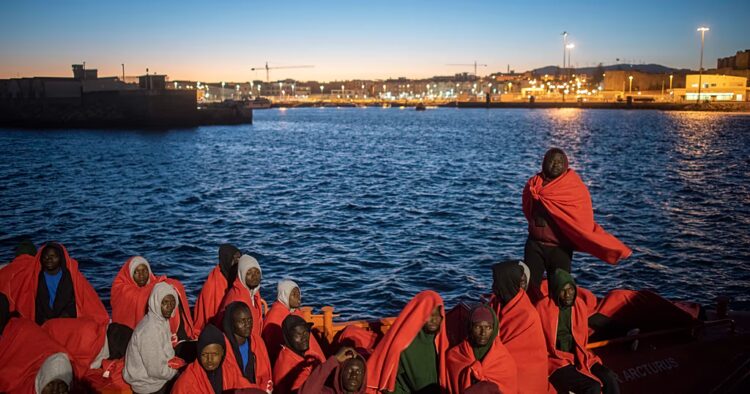
More than 3,000 migrants die on route to Spain in 2025 as borders tighten
Article Summary:
The article reports a significant decrease in the number of people dying while attempting to reach Spain by sea, with 3,090 deaths reported between January and mid-December 2025, a sharp drop from the previous year’s 60,000. Despite this improvement, migrant rights groups caution that the decline does not necessarily indicate safer journeys. Spain’s interior ministry attributes this reduction to stricter border controls. The article also touches on broader travel trends and insights from thought leaders, emphasizing the importance of understanding the complexities of migration and border management in the context of the travel industry.
Key Points:
Actionable Takeaways:
Contextual Insights:
The article reflects current challenges in the travel industry, particularly concerning migration and border management. The decrease in migrant deaths, while positive, is tempered by the warning from migrant rights groups, indicating that the situation is complex and not entirely resolved. This context is crucial for understanding the broader implications for travel policies and humanitarian efforts. In the context of travel tech and startups, there is a growing need for innovative solutions that address both the safety and rights of migrants, as well as the operational challenges faced by border authorities. This could lead to the development of new technologies or services aimed at improving the safety and efficiency of migration processes, while also ensuring compliance with humanitarian standards.
Read the Complete Article.
Get curated travel AI insights — choose the newsletters that matter to you.
This spot is reserved for brands with a compelling story for the travel trade. They use this space to cut...
Read moreDetailsALTOUR Expands into Thailand, Strengthening Corporate Travel Network Across Southeast Asia BANGKOK, THAILAND (25 March, 2026) – ALTOUR, a leading...
Read moreDetails


Comprehensive Summarization: The article highlights the significant impact of geopolitical tensions involving the United States, Israel, and Iran on the...
Read moreDetails