


No products in the cart.
- Latest
- Trending

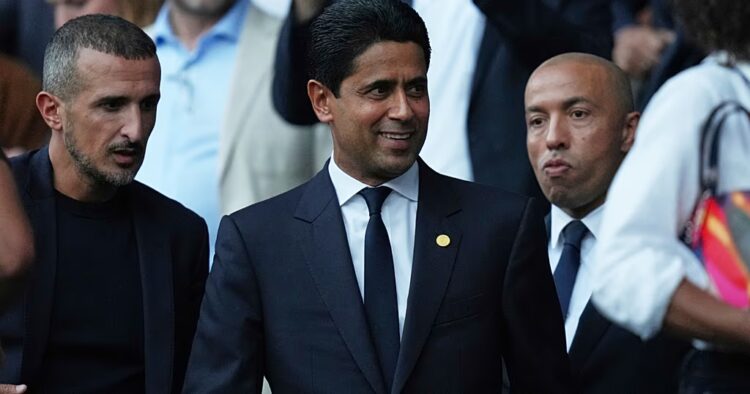
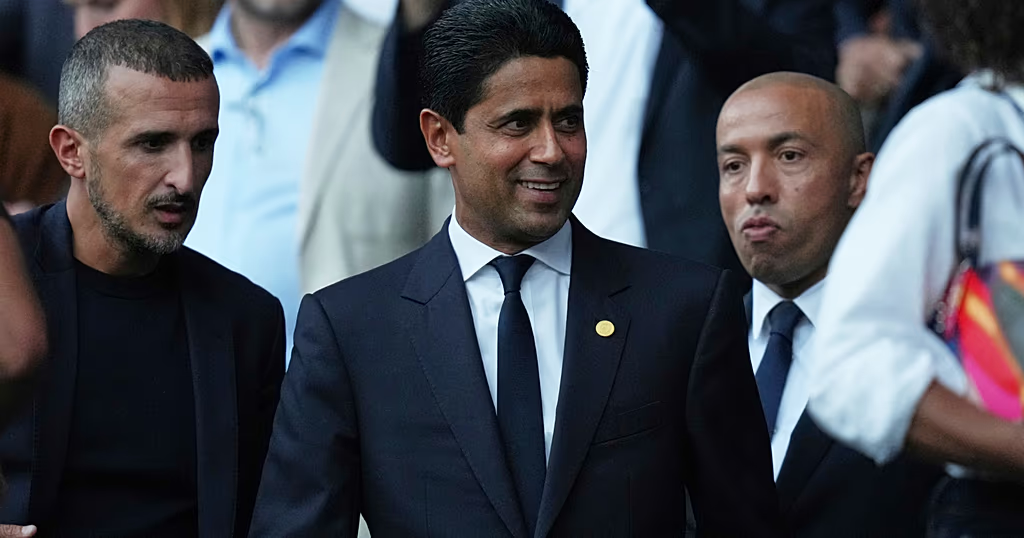
PSG president Al-Khelaïfi acquitted again by Swiss court
Article Summary:
The Swiss supreme court has upheld the acquittal of Paris Saint-Germain president Nasser al-Khelaïfi in a case related to former FIFA secretary general Jérôme Valcke and the awarding of World Cup television rights. Additionally, Valcke’s conviction for bribery and forgery in relation to World Cup media rights in Italy and Greece was also upheld. This is Al-Khelaïfi’s third acquittal in five years on charges related to allegedly allowing Valcke to use a villa in Italy for free from 2013-15. His lawyers described the ruling as a “complete vindication.”
Key Points:
Actionable Takeaways:
Contextual Insights:
The acquittal of Nasser al-Khelaïfi and the conviction of Jérôme Valcke in relation to World Cup media rights cases reflect broader trends in the sports industry concerning governance, legal accountability, and the handling of high-profile allegations. These developments are indicative of a growing emphasis on transparency and integrity within sports governance. As the travel industry increasingly intersects with global sports events, such as the FIFA World Cup, understanding the legal and reputational dynamics at play becomes crucial. The case serves as a reminder for stakeholders in the travel sector to prioritize compliance, ethical governance, and robust legal frameworks to mitigate risks and maintain trust with stakeholders. Furthermore, the ongoing scrutiny of FIFA’s operations may drive innovations in sports technology and fintech solutions aimed at enhancing transparency and accountability in global sports governance.
Read the Complete Article.
Get curated travel AI insights — choose the newsletters that matter to you.
ALTOUR Expands into Thailand, Strengthening Corporate Travel Network Across Southeast Asia BANGKOK, THAILAND (25 March, 2026) – ALTOUR, a leading...
Read moreDetails


Comprehensive Summarization: Hanjin Kal Corp, listed on the Korea Exchange under ISIN KR7025540006, is a prominent player in South Korea's...
Read moreDetails