






No products in the cart.
- Latest
- Trending

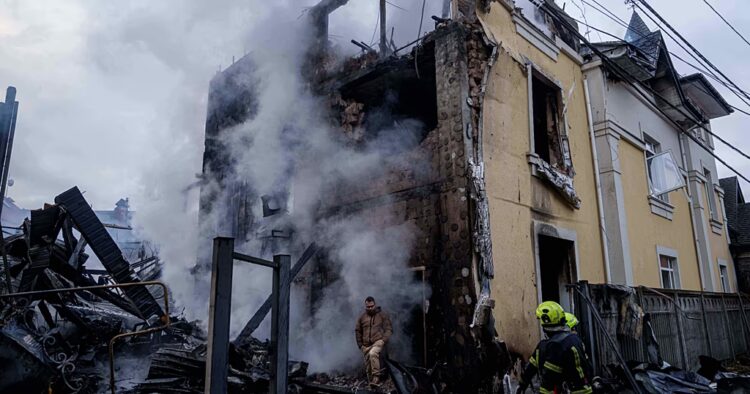
Kyiv 'not rushing to resolve conflict by peaceful means,' Putin says
Article Summary:
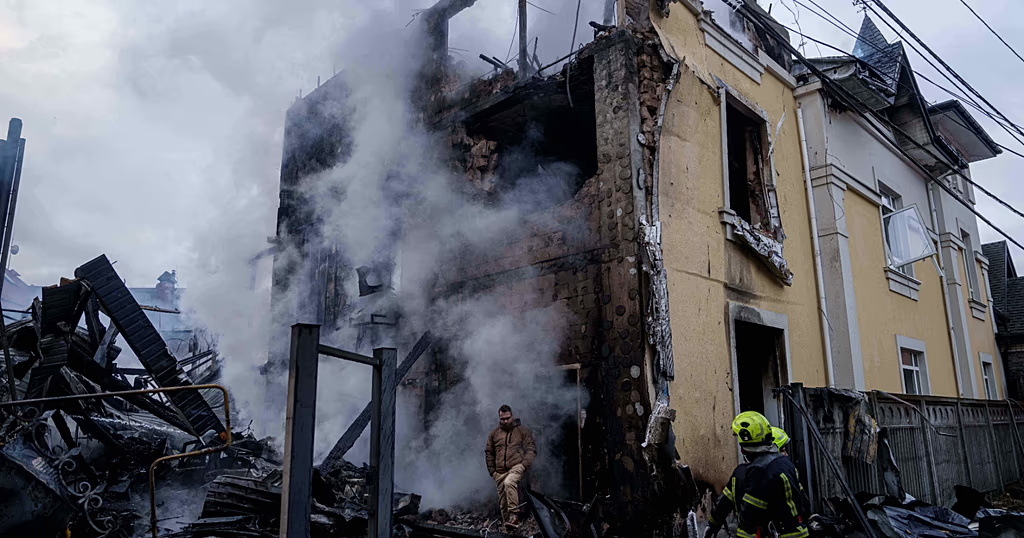
The article reports that Russia claims to have taken full control of two cities in Donetsk and Zaporizhzhia, Ukraine. The Kremlin released a video of Russian President Vladimir Putin receiving reports from top military officials. Ukraine’s President Zelenskyy is currently in Florida for talks with US President Trump. The article also touches on the latest travel trends and insights from thought leaders in the industry.
Key Points:
Actionable Takeaways:
Travel Industry Monitoring: Given the geopolitical tensions and potential impact on travel, it is crucial for travel companies to monitor the situation closely. This includes assessing potential disruptions to travel routes and adjusting travel advisories accordingly. The situation in Ukraine could lead to changes in travel policies and increased demand for travel insurance.
Geopolitical Risk Assessment: Companies involved in travel and tourism should conduct a thorough risk assessment of their operations in regions affected by geopolitical tensions. This includes evaluating the potential impact on travel demand, supply chain disruptions, and the need for enhanced security measures.
Leveraging Technology: The article highlights the importance of technology in travel, especially in the context of geopolitical events. Companies should leverage technology to enhance safety measures, provide real-time updates to travelers, and streamline communication during crises. This could include using AI for predictive analytics to anticipate travel disruptions and blockchain for secure transaction processing.
Contextual Insights:
The article’s context is deeply rooted in the ongoing geopolitical tensions between Russia and Ukraine. The recent claims of control over Ukrainian cities by Russia add a layer of uncertainty to the travel industry, particularly for routes that may be affected by the conflict. This situation underscores the importance of real-time monitoring and adaptability in the travel sector.
In terms of travel trends, the article’s inclusion of insights from thought leaders suggests a focus on innovation and adaptability. As geopolitical risks increase, there is a growing emphasis on leveraging technology to enhance safety, transparency, and customer experience. This includes the use of AI for predictive analytics, blockchain for secure transactions, and virtual reality for immersive travel experiences that can mitigate the impact of travel restrictions.
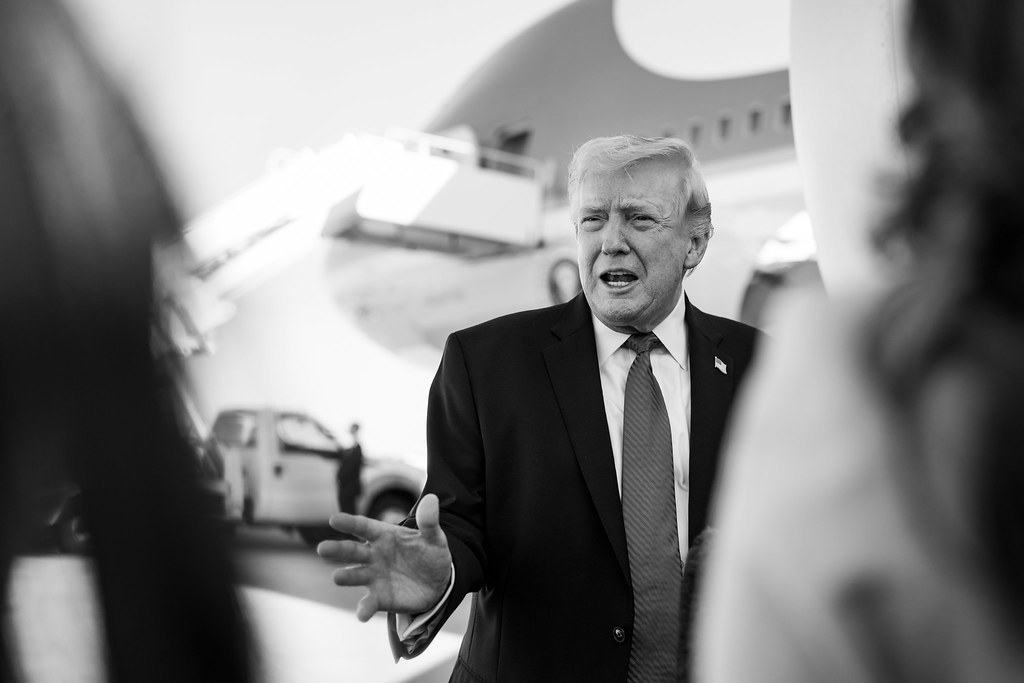
Moreover, the article’s mention of President Zelenskyy’s trip to Florida for talks with US President Trump highlights the potential for diplomatic solutions to geopolitical conflicts. This could have indirect implications for the travel industry, as improved diplomatic relations might lead to a gradual easing of travel restrictions and increased confidence among travelers.
In conclusion, while the article provides a snapshot of current events and travel trends, it also serves as a reminder of the dynamic and interconnected nature of the travel industry. The insights and takeaways offered are grounded in the facts presented in the article and are designed to help professionals in the travel sector navigate the current landscape and prepare for future challenges.
Read the Complete Article.
Get curated travel AI insights — choose the newsletters that matter to you.
This spot is reserved for brands with a compelling story for the travel trade. They use this space to cut...
Read moreDetailsALTOUR Expands into Thailand, Strengthening Corporate Travel Network Across Southeast Asia BANGKOK, THAILAND (25 March, 2026) – ALTOUR, a leading...
Read moreDetails


Comprehensive Summarization: Koh Chraeng, an island located in the Kratie Province of Cambodia along the Mekong River, is rapidly gaining...
Read moreDetails