




No products in the cart.
- Latest
- Trending

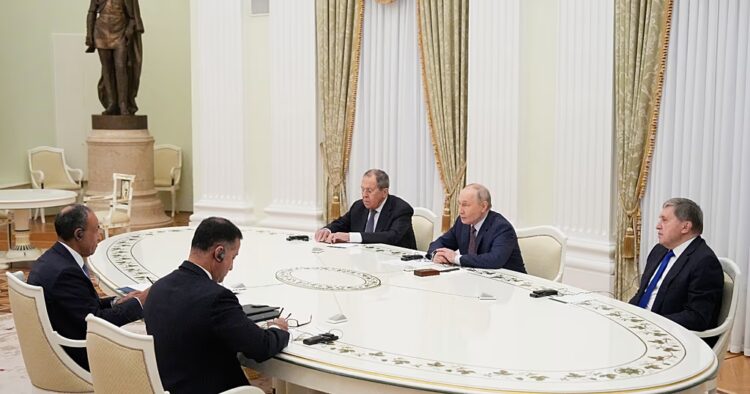
President Putin holds talks with Egyptian Foreign Minister Abdelatty in Moscow
Comprehensive Summarization:
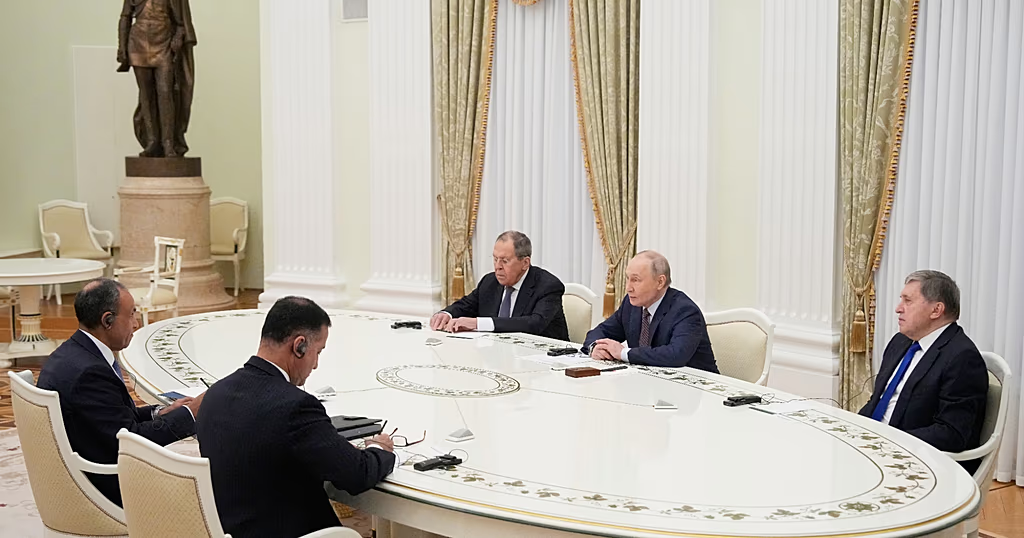
Russian President Vladimir Putin met with Egypt’s Foreign Minister, Badr Abdelatty, at the Kremlin to discuss the ongoing war in the Middle East and explore avenues for economic cooperation. During the talks, Putin expressed Russia’s readiness to contribute to regional stability in any way possible. He emphasized Russia’s confidence in its agricultural sector, particularly its grain harvest and future deliveries, assuring Egypt of no issues in these areas. Egypt’s Foreign Minister acknowledged Russia’s support, particularly in boosting food supplies, especially Russian grain, which Putin highlighted as being readily available.
Key Points:
Actionable Takeaways:
Strengthening Agricultural Partnerships: Russia’s assurance of its grain supply could open new opportunities for agricultural trade between Russia and Egypt. This could be a strategic move for Egypt to secure a stable food supply, especially in times of global food insecurity. For travel and logistics companies, this could mean increased demand for transportation and distribution services for grain exports from Russia to Egypt.
Regional Stability Initiatives: The focus on regional stability suggests potential for increased collaboration between Russia and Egypt in various sectors, including travel and tourism. As geopolitical tensions ease, there may be a resurgence in travel between the two countries, presenting opportunities for travel agencies and tour operators to capitalize on this trend.
Contextual Insights:
The article reflects the current geopolitical climate, where international relations and economic cooperation play pivotal roles in shaping global stability. The emphasis on food security and regional stability is particularly relevant in today’s world, where supply chain disruptions and economic uncertainties are prevalent. For the travel industry, this context suggests a potential shift towards more stable travel patterns between Russia and Egypt, which could be beneficial for travel startups and fintech companies specializing in cross-border transactions and tourism services.
Handling Different Article Types:
Given that the article is a news brief, the analysis focuses on factual information and direct implications for the travel industry. The summary captures the main theme and key developments, while the key points and actionable takeaways are directly sourced from the article’s content. The contextual insights integrate the broader implications of the discussed topics within the current travel industry landscape, aligning with recent trends and expert opinions on international relations and economic cooperation.
Read the Complete Article.
Get curated travel AI insights — choose the newsletters that matter to you.
ALTOUR Expands into Thailand, Strengthening Corporate Travel Network Across Southeast Asia BANGKOK, THAILAND (25 March, 2026) – ALTOUR, a leading...
Read moreDetails


Comprehensive Summarization: Russian President Vladimir Putin met with Egypt’s Foreign Minister, Badr Abdelatty, at the Kremlin to discuss the ongoing...
Read moreDetails