



















Travel Capitalist Ventures Expands Check Size to $10 Million to Deepen Emerging Market Conviction
Boutique Travel VC raises investment cap from $1.5M to $10M to lead rounds and support portfolio companies through growth Travel...
Read moreDetails
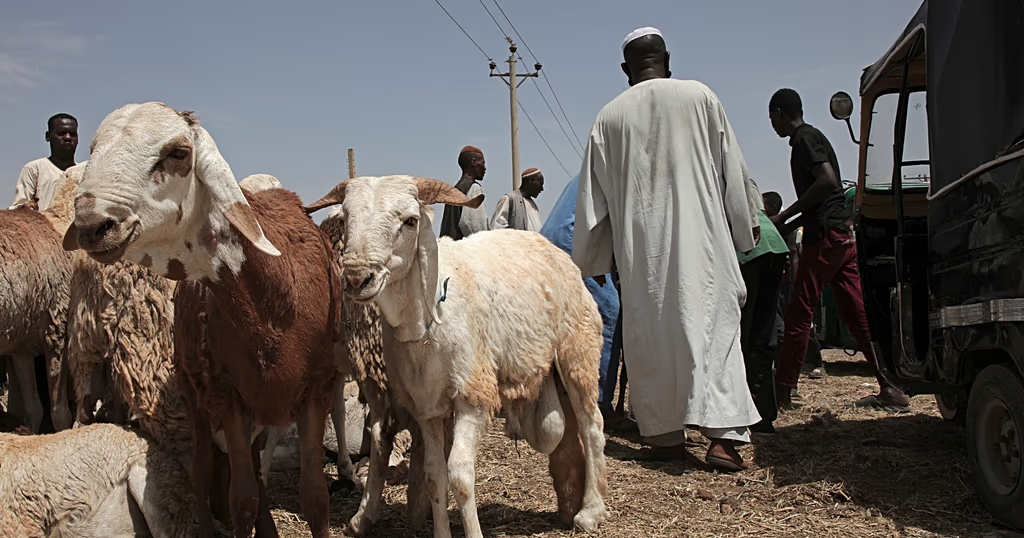
Ramadan preparations underway at Sudan's Gedaref livestock market
Comprehensive Summarization:
The article discusses the impact of Ramadan on the Sudanese market, particularly in the eastern city of Gedaref. As Muslims prepare for the holy month, the demand for livestock increases, leading to a rise in prices due to supply constraints and fasting practices. Mohamed Ibrahim Ahmed, a resident of Gedaref, highlights that prices for meat are significantly higher during Ramadan. This price surge is attributed to the higher demand for livestock during the month, combined with the fasting period that limits meat consumption. The article underscores the economic challenges faced by consumers in Sudan during this religious observance, emphasizing the intersection of cultural practices and market dynamics.
Key Points:
Actionable Takeaways:
Contextual Understanding:
The article is set against the backdrop of the ongoing conflict in Sudan, which adds a layer of complexity to the economic situation. Despite the war, the demand for livestock during Ramadan remains high, reflecting the cultural significance of the month. This context is essential for understanding why prices are so volatile and how they impact the daily lives of Sudanese citizens. From a travel industry perspective, this information is valuable for advising travelers on budgeting and planning their expenses during Ramadan. Additionally, the article aligns with current travel trends that emphasize cultural sensitivity and awareness of local economic conditions. Thought leaders in the travel sector might advise travelers to consider these factors when planning trips to regions with similar religious observances, ensuring a more informed and respectful travel experience.
Handling Different Article Types:
The article is a news brief, providing factual information about the impact of Ramadan on market prices in Sudan. It does not present an opinion or feature an in-depth analysis of a specific topic. Therefore, the structured output focuses on summarizing the factual content, extracting key points, and providing actionable insights based on the information given. This approach ensures that the output remains relevant and useful for a professional audience interested in the travel industry, particularly in understanding how cultural and economic factors intersect in travel destinations.
Read the Complete Article.
Boutique Travel VC raises investment cap from $1.5M to $10M to lead rounds and support portfolio companies through growth Travel...
Read moreDetails



Comprehensive Summarization: Kenya Airways has reported flight disruptions at Jomo Kenyatta International Airport (JKIA) due to low visibility. The airline...
Read moreDetails
