






















Travel Capitalist Ventures Expands Check Size to $10 Million to Deepen Emerging Market Conviction
Boutique Travel VC raises investment cap from $1.5M to $10M to lead rounds and support portfolio companies through growth Travel...
Read moreDetails
Comprehensive Summarization:
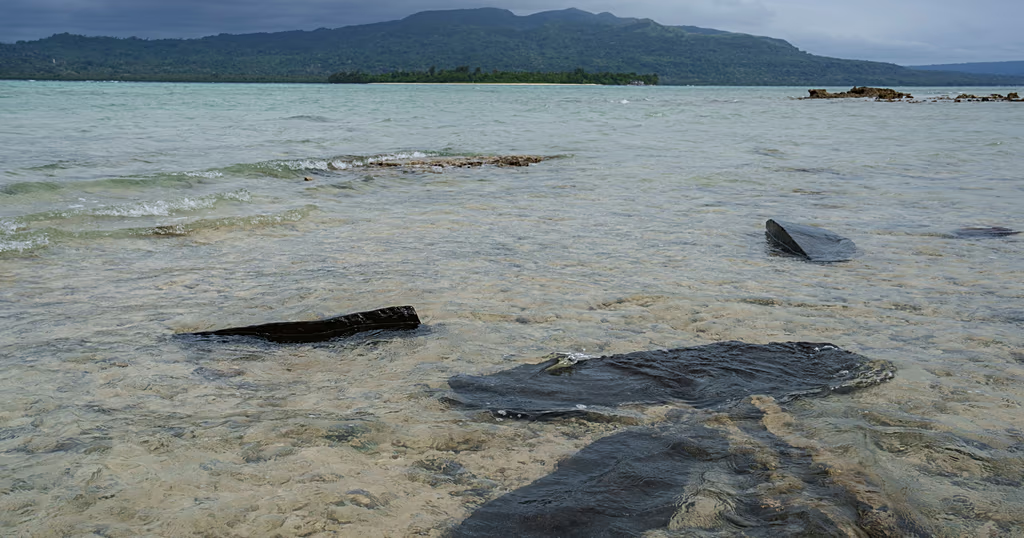
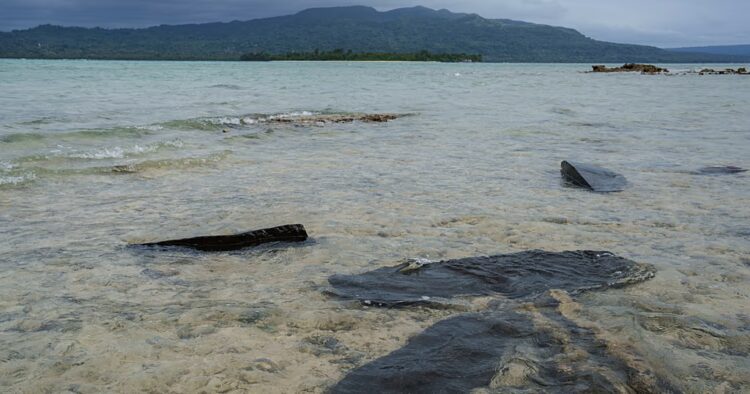
The article discusses a new study published in the journal Nature, which reveals that climate change’s rising seas may threaten more people than initially estimated. Researchers found that about 90 percent of previous hazard assessments underestimated baseline coastal water heights by an average of 1 foot (30 centimeters). This discrepancy is more prevalent in the Global South, the Pacific, and Southeast Asia, and less so in Europe and along Atlantic coasts. The study emphasizes the importance of accurate baseline measurements in assessing coastal risks, particularly in regions vulnerable to sea-level rise.
Key Points:
Actionable Takeaways:
Enhanced Coastal Risk Assessment: Travel companies and planners should prioritize accurate baseline measurements of coastal water heights to better assess and mitigate risks associated with rising sea levels. This is crucial for developing effective coastal management strategies, particularly in regions like the Global South, Pacific, and Southeast Asia.
Investment in Advanced Sea-Level Monitoring Technologies: There is a growing need for investment in advanced technologies for real-time sea-level monitoring. This can help travel companies and governments stay ahead of rising sea levels, enabling proactive measures to protect infrastructure and tourism assets in coastal areas.
Focus on Climate Resilience in Travel Planning: Travel companies should integrate climate resilience into their planning processes. This includes designing infrastructure and services that can withstand increased coastal flooding and other climate-related impacts, ensuring the sustainability and safety of travel destinations.
Contextual Insights:
The article’s findings are particularly relevant in the context of the ongoing global focus on climate change and its impacts on coastal regions. As travel becomes increasingly popular, especially in regions prone to sea-level rise, understanding and mitigating these risks is essential. The study aligns with current industry trends emphasizing sustainability and resilience in travel planning. Thought leaders in the travel sector are increasingly advocating for climate-resilient infrastructure and practices, making the insights from this study highly pertinent. By adopting the actionable takeaways, travel companies can not only safeguard their operations but also contribute to broader efforts in climate adaptation and sustainability.
Read the Complete Article.
Boutique Travel VC raises investment cap from $1.5M to $10M to lead rounds and support portfolio companies through growth Travel...
Read moreDetails



Istanbul, Turkey — August 8, 2023 In short: Turkish Airlines appoints new CEO and chairman as Murat Şeker takes over...
Read moreDetails
