









No products in the cart.
- Latest
- Trending


Article Summary:
The article discusses the construction of a deep underground train station near the Roman amphitheatre in Rome. This station, part of a line that has taken nearly two decades to build, combines modern transport with layers of ancient history uncovered during excavation. Commuters and visitors entering the station can see ceramic vessels, stone wells, and the remains of a Roman bath from a first-century home, displayed along the platforms. The project faced challenges such as funding issues, the need to protect ruins, and managing groundwater while preserving what lay above ground. The station’s construction highlights the balance between modern infrastructure development and the preservation of historical sites.
Key Points:
Actionable Takeaways:
Contextual Insights:
The construction of this underground station near a historical site reflects current trends in urban development where modern infrastructure is being built with a keen eye on preserving historical context. This aligns with the broader travel industry trend of promoting cultural heritage tourism, where travelers seek out destinations that offer both modern amenities and historical significance. The project also underscores the importance of innovative engineering solutions in overcoming challenges posed by archaeological sites, a trend that is likely to influence future infrastructure projects globally. As the travel industry continues to evolve, such examples of integrating history with modernity will become increasingly relevant, shaping the future of travel experiences and urban planning.
Read the Complete Article.
Get curated travel AI insights — choose the newsletters that matter to you.
ALTOUR Expands into Thailand, Strengthening Corporate Travel Network Across Southeast Asia BANGKOK, THAILAND (25 March, 2026) – ALTOUR, a leading...
Read moreDetails

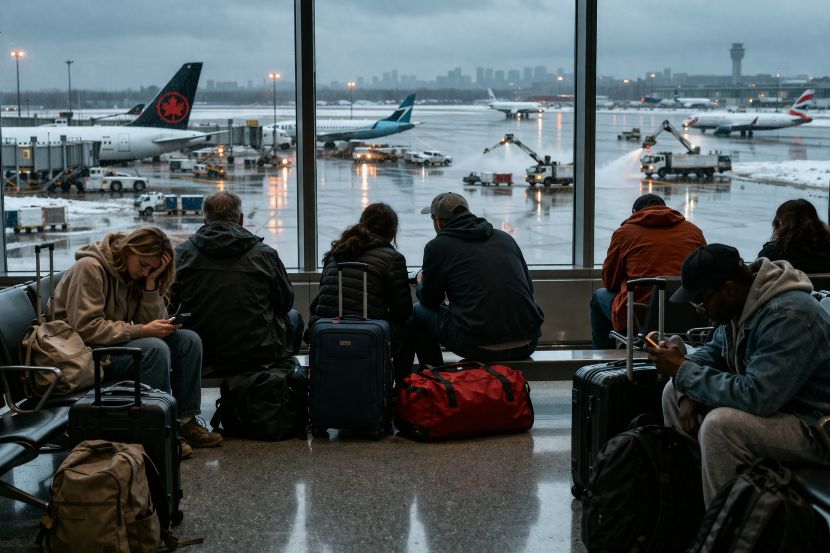
Comprehensive Summarization: The article reports significant travel disruptions at Toronto Pearson International Airport on March 29, 2026, due to 202...
Read moreDetails