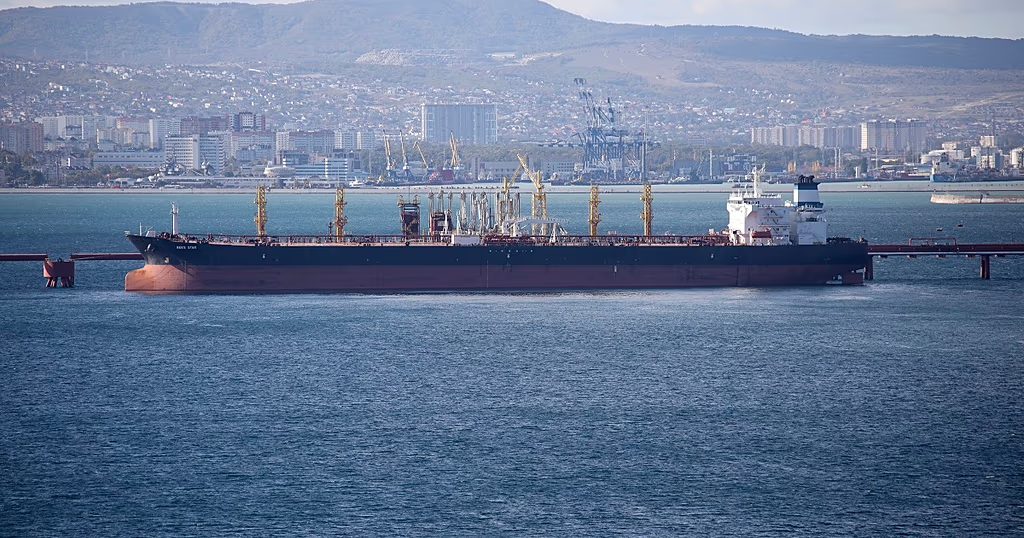
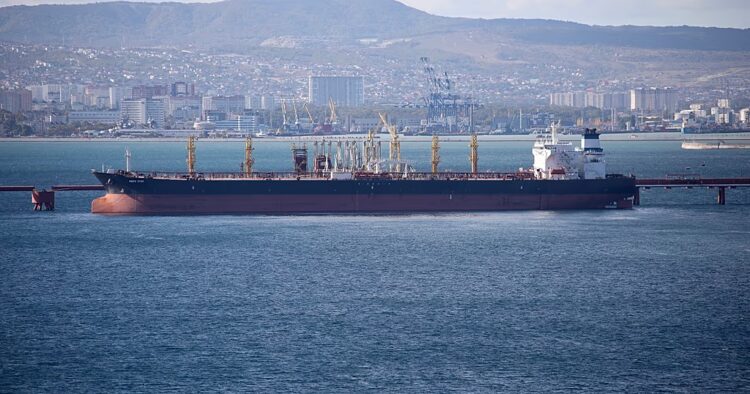
The article highlights that Russia is earning nearly $588 million daily from fossil fuel exports in March, marking a 17% increase since February. This surge in earnings is attributed to the disruption of Gulf oil supplies due to the Iran conflict, which has driven prices higher. Isaac Levi of the Centre for Research on Energy and Clean Air notes that Russia is supplying oil and gas to global markets at increasing prices. The longer the crisis persists, the more it benefits Russia, providing financial resources for military operations, weapons, and recruitment. The primary buyers of Russia’s crude oil are China, Turkey, and India, who together account for 90% of Russia’s oil exports. The article also touches on the broader context of travel trends and insights from thought leaders, emphasizing the importance of staying informed about emerging developments in the travel industry.
Key Points:
Russia’s fossil fuel exports have increased by 17% in March, generating nearly $588 million daily.
The Iran conflict has disrupted Gulf oil supplies, leading to higher prices and increased Russian oil exports.
Isaac Levi of the Centre for Research on Energy and Clean Air states that Russia is supplying oil and gas at increasing prices.
The longer the crisis continues, the more it benefits Russia financially, aiding military operations, weapons procurement, and recruitment.
China, Turkey, and India now purchase 90% of Russia’s crude oil.
The article also mentions the importance of staying updated on travel trends and insights from industry thought leaders.
Actionable Takeaways:
Diversification of Oil Suppliers: Companies and investors should consider diversifying their oil supply sources to mitigate risks associated with geopolitical conflicts. This strategy can help ensure a stable supply of oil and gas, even in times of crisis.
Monitoring Geopolitical Risks: Businesses operating in the energy sector should closely monitor geopolitical developments, particularly in regions like the Middle East, to anticipate potential disruptions in oil supply and adjust their strategies accordingly.
Investment in Renewable Energy: Given the increasing reliance on fossil fuels and the geopolitical risks associated with their supply, there is a growing opportunity for investment in renewable energy sources. This shift can help reduce dependency on volatile oil markets and contribute to long-term sustainability goals.
Contextual Insights:
The article’s context is deeply rooted in the current geopolitical landscape, particularly the ongoing conflict in Iran and its impact on global oil supplies. This situation underscores the volatility of the oil market and the importance of diversification and risk management for businesses reliant on fossil fuels. The emphasis on China, Turkey, and India as primary buyers of Russia’s crude oil highlights the interconnectedness of global energy markets and the potential for shifts in supply chains. For the travel industry, these developments suggest a need for adaptability and foresight, particularly in terms of logistics and supply chain management. As thought leaders continue to emphasize the importance of staying informed about emerging trends and technological advancements, the travel sector must also consider how these factors influence travel planning, route optimization, and operational efficiency. The insights provided in the article align with current industry trends, such as the increasing focus on sustainability and the search for stable, reliable energy sources, which are likely to shape the future of travel and related sectors.