




No products in the cart.
- Latest
- Trending

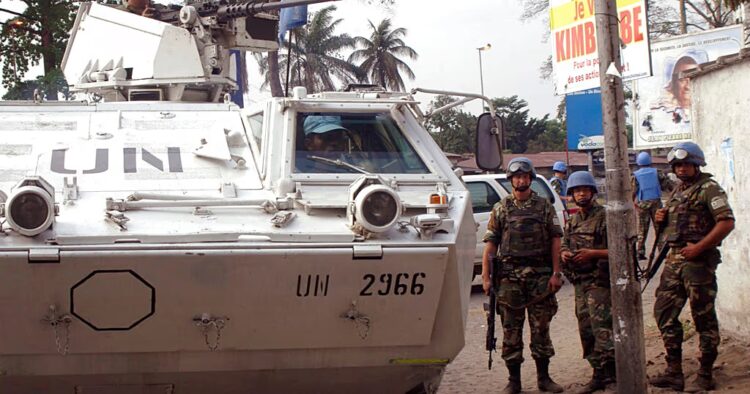
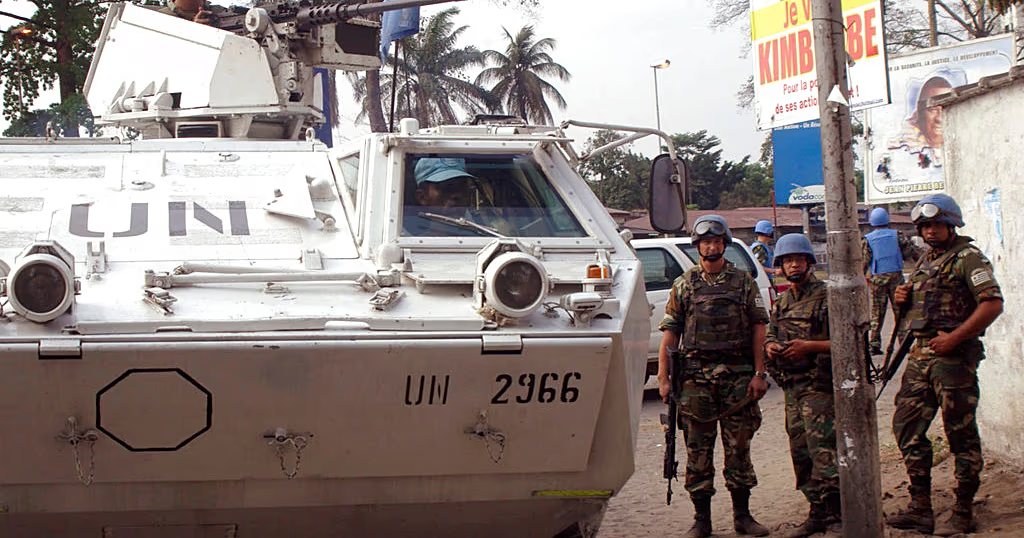
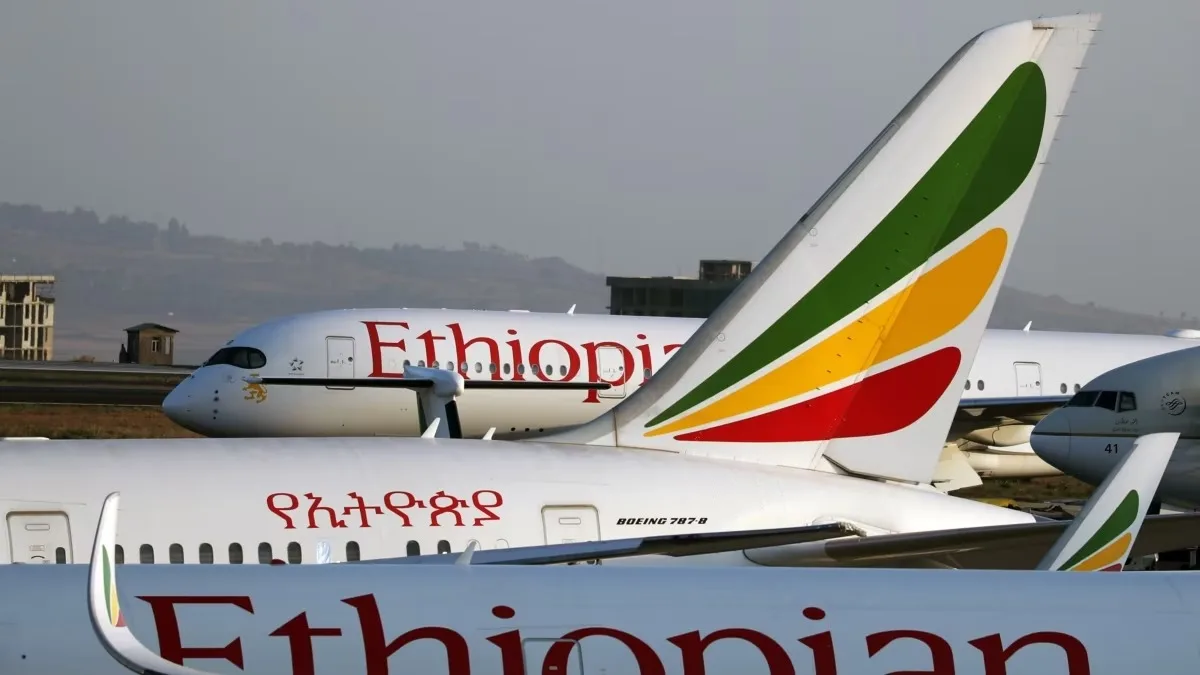
UN urges Rwanda to leave eastern Congo, extends peacekeeping mission for a year
Article Summary:
The U.N. Security Council has urged Rwanda to withdraw its forces from eastern Congo and extended the U.N. peacekeeping mission in Congo, known as MONUSCO, for an additional year. This decision comes as fighting in the region escalated despite a peace deal. The Security Council condemned an offensive by the Rwanda-backed M23, demanded Rwanda stop supporting the rebels and withdraw its troops, and renewed the peacekeepers’ mandate, keeping about 11,500 military personnel in the country. The resolution was unanimously adopted.
Key Points:
Actionable Takeaways:
Contextual Insights:
The article reflects the complex geopolitical landscape of eastern Congo, where peace agreements and international interventions often face challenges. The extension of MONUSCO’s mandate indicates a recognition of the ongoing instability and the need for continued international engagement. For the travel industry, this context suggests a focus on safety, reliability, and adaptability. Travel companies must stay informed about regional developments, collaborate with international organizations, and invest in technologies and services that enhance safety and operational resilience. Additionally, the article aligns with current trends in travel tech, such as the use of data analytics for risk assessment and the development of secure, technology-driven travel solutions.
Read the Complete Article.
Get curated travel AI insights — choose the newsletters that matter to you.
ALTOUR Expands into Thailand, Strengthening Corporate Travel Network Across Southeast Asia BANGKOK, THAILAND (25 March, 2026) – ALTOUR, a leading...
Read moreDetails


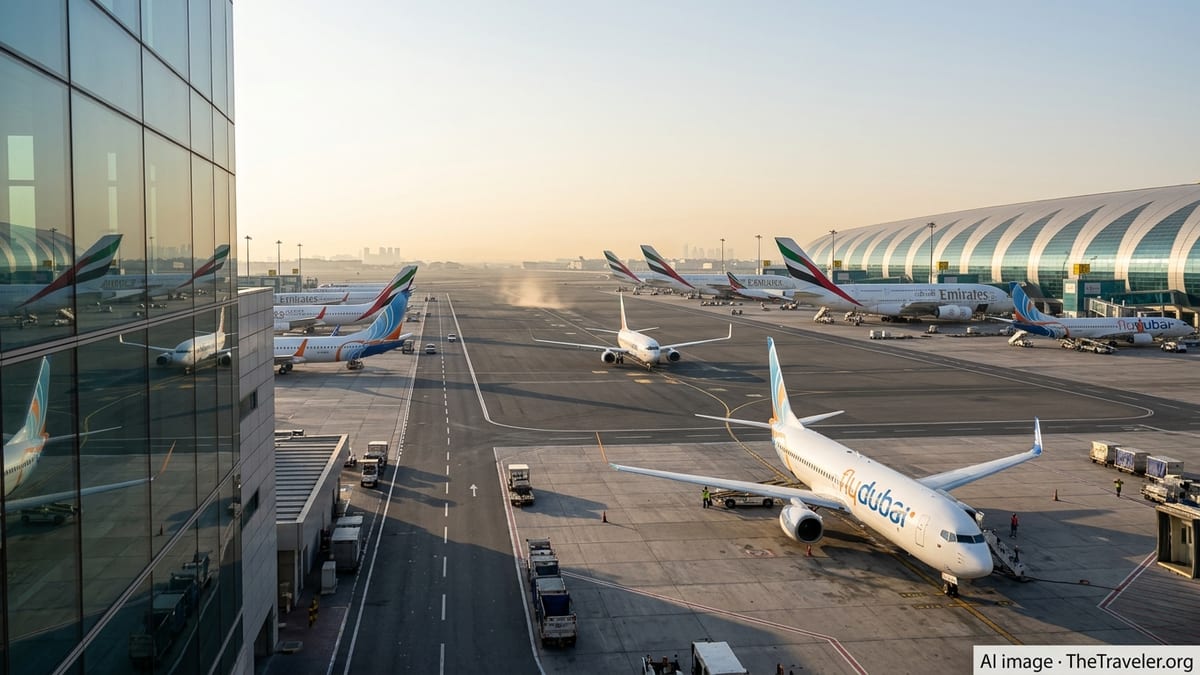
Comprehensive Summarization: The article reports that Emirates and Flydubai are set to operate a combined 417 departures from Dubai International...
Read moreDetails