








No products in the cart.
- Latest
- Trending

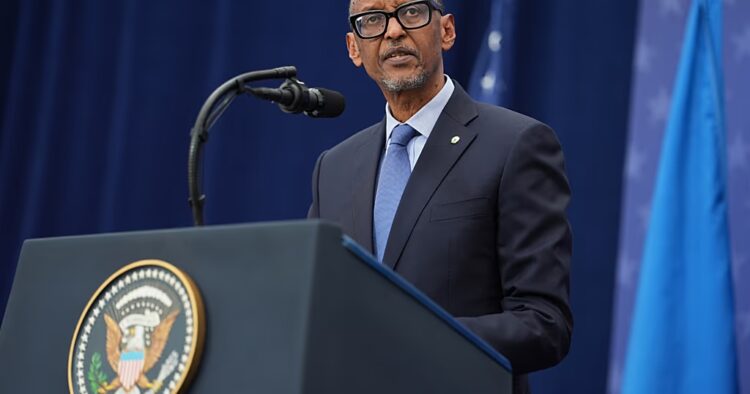
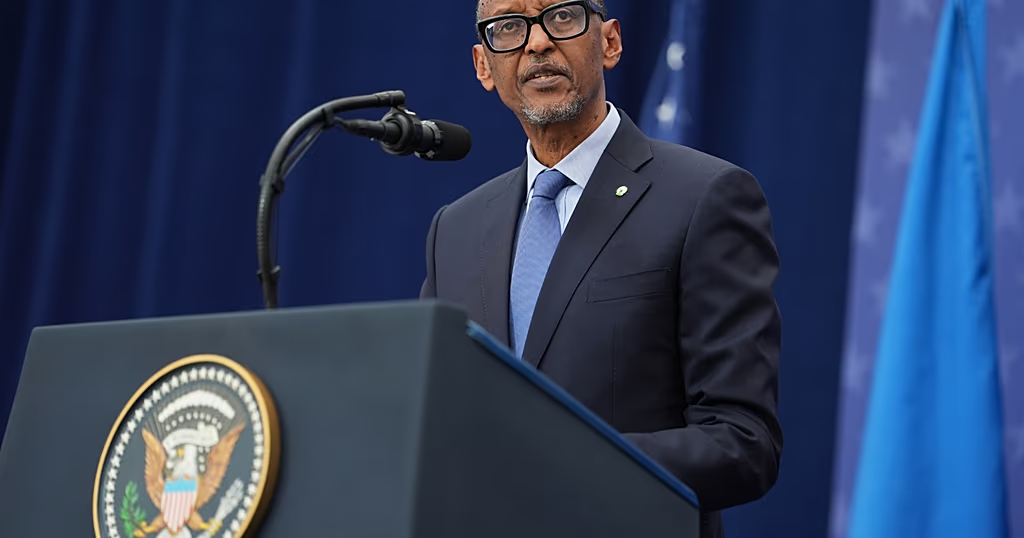
Rwanda signs $228 agreement with US under Washington's new aid model
Article Summary:
The United States and Rwanda have signed a $228 million agreement to bolster Rwanda’s health sector, with a focus on long-term financial self-reliance. The deal, announced on Friday, includes $158 million from the US to combat infectious diseases like HIV and malaria, enhance surveillance, and improve outbreak preparedness. This agreement comes shortly after Rwandan President Paul Kagame and the Democratic Republic of Congo’s Felix Tshisekedi reaffirmed their commitment to a US-brokered peace plan for eastern Congo.
Key Points:
Actionable Takeaways:
Contextual Insights:
The agreement between the US and Rwanda is a strategic move that aligns with current global health trends and the need for long-term financial planning in developing countries. The focus on infectious diseases like HIV and malaria is particularly relevant given the ongoing global health challenges. The peace plan reaffirmation also underscores the importance of regional stability in promoting travel and tourism. In the context of travel tech and fintech, this agreement could pave the way for increased investment in these sectors, particularly in Rwanda, which could lead to innovative solutions in travel booking, payment systems, and more. The emphasis on long-term financial self-reliance also suggests a shift towards sustainable travel practices, which is a growing trend in the industry.
Read the Complete Article.
Get curated travel AI insights — choose the newsletters that matter to you.
ALTOUR Expands into Thailand, Strengthening Corporate Travel Network Across Southeast Asia BANGKOK, THAILAND (25 March, 2026) – ALTOUR, a leading...
Read moreDetails


Comprehensive Summarization: India's burgeoning interest in dark skies and deep space is transforming the domestic travel landscape, with Karnataka emerging...
Read moreDetails