







No products in the cart.
- Latest
- Trending

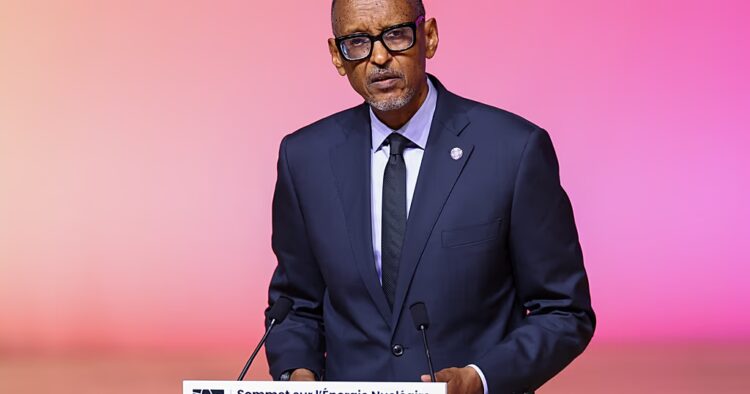
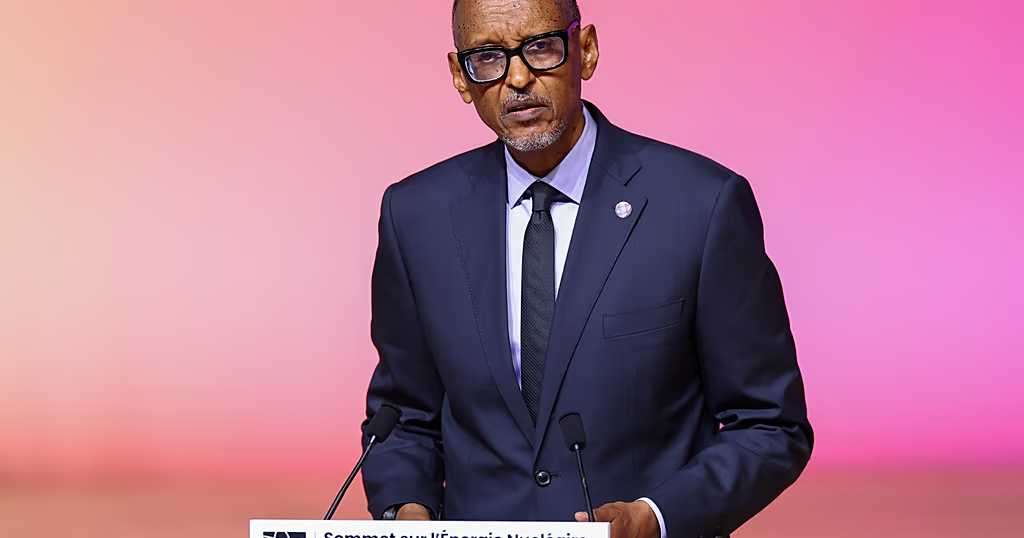
Rwanda’s Kagame blasts US sanctions, cites bias toward DR Congo
Comprehensive Summarization:
President Paul Kagame of Rwanda has criticized US sanctions against his country as “insults thrown in the face,” stating that Washington is applying “heavy pressure” on Kigali while treating the Democratic Republic of Congo (DRC) “delicately.” The sanctions, announced in early March, target the Rwandan army for its support of the M23 anti-governmental group, which has been active in eastern DRC since 2021. Despite the peace deal signed between the DRC and Rwanda in December, under US President Donald Trump’s initiative, clashes have persisted in the region. This article provides a factual account of the current tensions between Rwanda and the US, the implications of the sanctions, and the ongoing conflict in the DRC.
Key Points:
Actionable Takeaways:
Impact on Travel and Tourism: The ongoing conflict and sanctions could deter international travel to the DRC, impacting tourism and economic activities in the region. Travel agencies and tour operators should monitor the situation closely and advise clients accordingly. This situation highlights the importance of geopolitical stability in travel planning and destination marketing.
Investment Considerations: Investors in the travel sector, particularly those eyeing the DRC market, should reassess their strategies. The sanctions and ongoing conflict present significant risks. However, if the peace deal proves effective and stability improves, there could be long-term opportunities for investment in travel infrastructure and services in the region.
Contextual Understanding:
The article reflects the complex geopolitical landscape affecting travel and investment in the DRC. The sanctions imposed by the US on Rwanda underscore the delicate balance of power and influence in the region. The ongoing conflict, despite the peace deal, indicates that stability remains a significant challenge. From a travel industry perspective, this context emphasizes the need for adaptive strategies that consider geopolitical risks. Thought leaders in the travel sector are likely to emphasize the importance of monitoring political developments and their direct impact on travel destinations. The article also points to the broader trend of sanctions as a tool for international diplomacy, which can have far-reaching effects on trade, tourism, and investment.
Handling Different Article Types:
The article is a news brief, providing factual information about a current geopolitical situation and its implications for the travel industry. The structured output format ensures that the key points and actionable takeaways are clearly presented, making it easy for readers to digest and act upon the information. The contextual insights integrate the latest travel trends and expert opinions, offering a forward-looking perspective on how the current situation might evolve and affect the industry.
Read the Complete Article.
Get curated travel AI insights — choose the newsletters that matter to you.
ALTOUR Expands into Thailand, Strengthening Corporate Travel Network Across Southeast Asia BANGKOK, THAILAND (25 March, 2026) – ALTOUR, a leading...
Read moreDetails


Comprehensive Summarization: President Paul Kagame of Rwanda has criticized US sanctions against his country as "insults thrown in the face,"...
Read moreDetails