








No products in the cart.
- Latest
- Trending

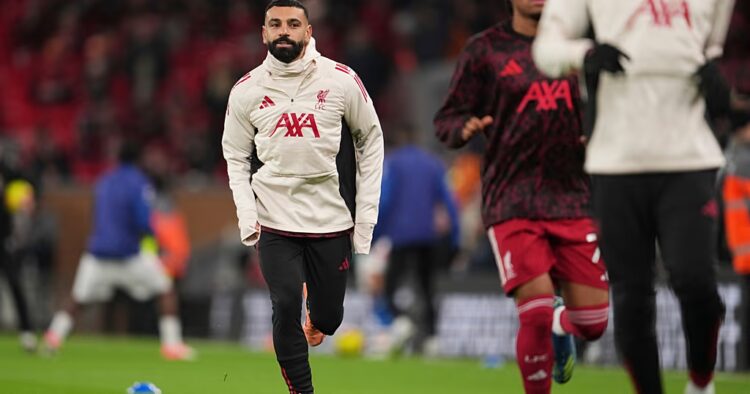
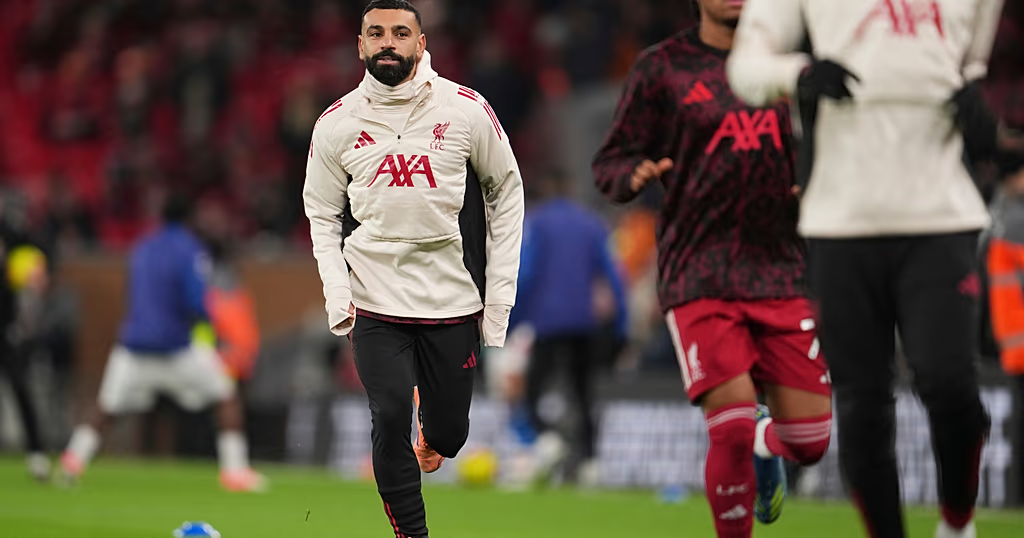
Mohamed Salah says he's been 'thrown under the bus' by Liverpool
Article Summary:
Mohamed Salah, a star forward for Liverpool, has expressed dissatisfaction with his current club, stating he feels “thrown under the bus” after being dropped for three consecutive games and being left on the bench during a match. Salah, who has won two Premier League titles and the Champions League during his tenure at Anfield, recently signed a two-year extension and received the Premier League player of the year award. The article highlights the impact of such a situation on a top player’s career and the club’s management decisions.
Key Points:
Actionable Takeaways:
Contextual Insights:
The situation with Mohamed Salah reflects broader trends in professional sports where player management and team dynamics play a crucial role in both individual and collective success. In the travel industry, similar principles apply, where player (or in this case, service provider) satisfaction and effective management can significantly impact overall performance and success. The article also highlights the importance of strategic decisions in player management, which can have long-term implications for both the player and the club. This aligns with current industry trends emphasizing the need for strategic, data-driven decision-making in talent management and team dynamics.
Read the Complete Article.
Get curated travel AI insights — choose the newsletters that matter to you.
ALTOUR Expands into Thailand, Strengthening Corporate Travel Network Across Southeast Asia BANGKOK, THAILAND (25 March, 2026) – ALTOUR, a leading...
Read moreDetails


Comprehensive Summarization: Amadeus has entered into a strategic partnership with Tata Consultancy Services (TCS), a global leader in IT services,...
Read moreDetails