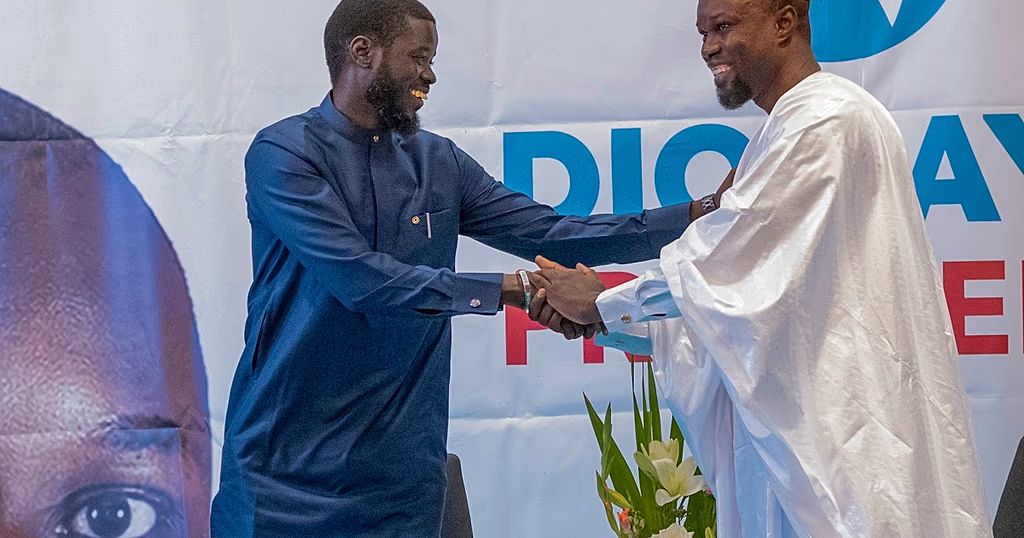
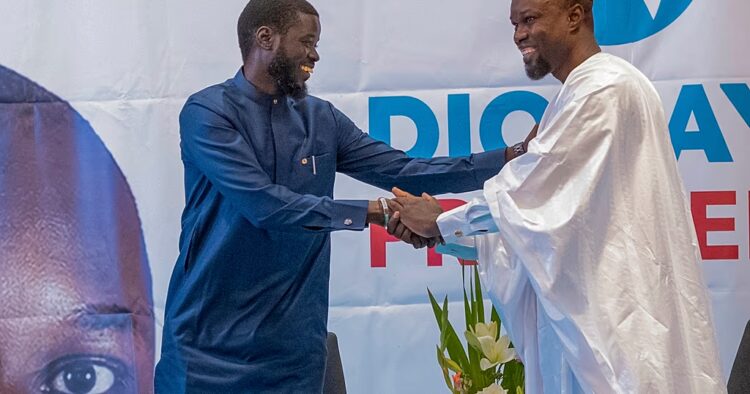
Senegal successfully paid nearly half a billion dollars in debt obligations on Friday, avoiding default, but spending cuts, delayed payments to other lenders, and growing civil unrest cast doubt on how much time the effort buys the West African nation. The Central Bank of West African States transferred 380 million euros to eurobond holders and $33 million for dollar-denominated bonds, covering principal and coupons. President Bassirou Diomaye Faye’s government mobilized local resources via regional markets after the IMF suspended its program following the discovery of $13 billion in undeclared debt—the largest ever hidden debt in a country with an IMF program, according to the article.
Key Points:
Senegal successfully paid nearly $500 million in debt obligations on Friday, avoiding default.
The Central Bank of West African States facilitated the payment by transferring 380 million euros to eurobond holders and $33 million for dollar-denominated bonds.
The payment covered both principal and coupons for the obligations.
President Bassirou Diomaye Faye’s government mobilized local resources via regional markets.
The IMF suspended its program following the discovery of $13 billion in undeclared debt, the largest ever hidden debt in a country with an IMF program.
Actionable Takeaways:
Debt Management and International Cooperation: Senegal’s successful debt payment demonstrates the importance of international cooperation and local resource mobilization in managing national debt. Countries facing similar debt challenges should explore similar strategies, emphasizing transparency and effective communication with international bodies like the IMF. This could potentially reduce the risk of default and maintain investor confidence.
Impact of Undisclosed Debt: The discovery of $13 billion in undeclared debt highlights the critical need for transparency in a country’s financial reporting. Such undisclosed debts can undermine trust in a nation’s economic stability, leading to measures like IMF program suspensions. Countries should prioritize comprehensive financial reporting to avoid such scenarios, ensuring stakeholders have accurate information to make informed decisions.
Contextual Insights:
The article reflects the ongoing challenges faced by developing nations in managing national debt, particularly in the context of global financial institutions like the IMF. The successful debt payment by Senegal, despite the looming threat of default, underscores the resilience of countries willing to mobilize local resources and engage in international cooperation. This situation is emblematic of broader trends in the global financial landscape, where transparency and effective governance are crucial in maintaining economic stability. For the travel industry, such financial stability is essential for sustainable growth, as it underpins investor confidence and facilitates access to capital for infrastructure development and tourism promotion. The article also hints at the potential for fintech innovations in debt management and transparency, suggesting that technology could play a pivotal role in addressing such financial challenges in the future.