







No products in the cart.
- Latest
- Trending

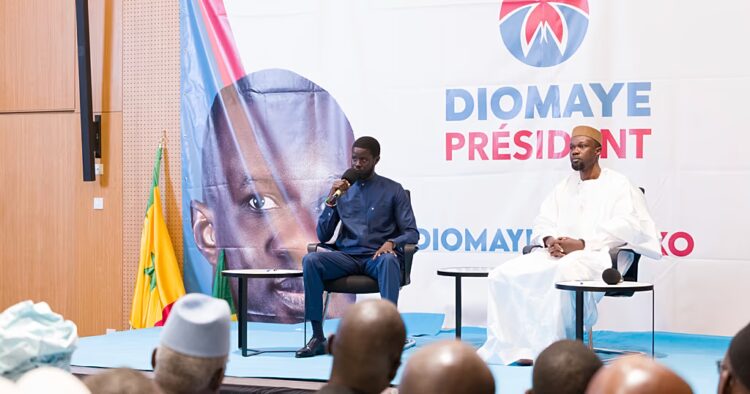
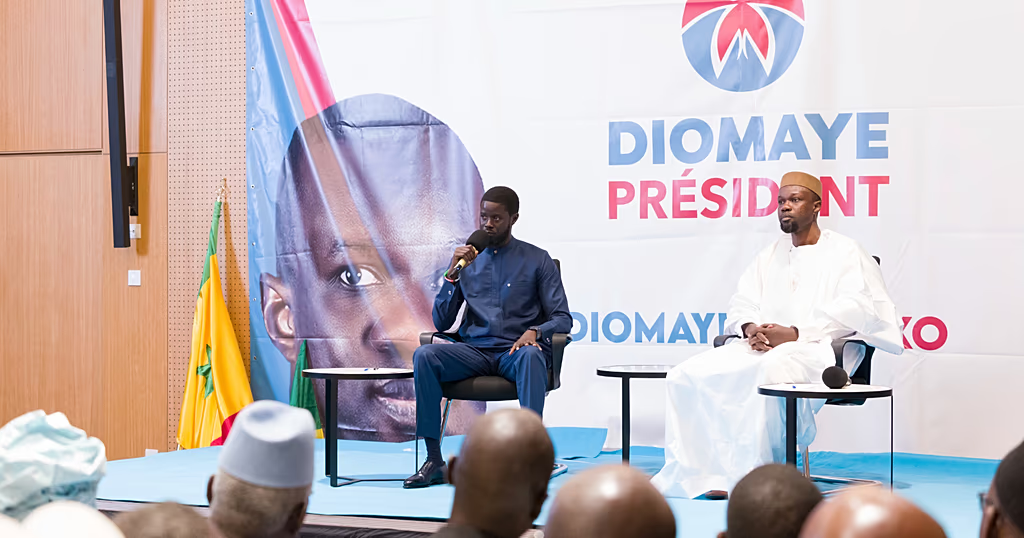
Senegal prime minister says country will not seek debt restructuring
Article Summary:
Senegalese Prime Minister Ousmane Sonko announced that his government will not seek a deal to restructure the country’s debt, despite facing repayment difficulties. The International Monetary Fund (IMF) reported that Senegal’s debt reached 132% of its GDP at the end of 2024. The IMF has paused a $1.8 billion lending program, leaving Senegal struggling to meet its financing needs. During a joint press conference with Mauritania’s Prime Minister, Sonko expressed confidence that there is a way out of the crisis without resorting to debt restructuring.
Key Points:
Actionable Takeaways:
Contextual Insights:
The situation in Senegal underscores the broader challenges faced by developing countries in managing public debt, particularly in the context of global economic fluctuations. The reliance on international lending programs, such as the IMF’s, highlights the interconnectedness of global financial systems and the potential ripple effects on local economies. In the travel industry, this context emphasizes the need for startups and established companies to develop resilient financial strategies that can withstand external economic pressures. Innovations in fintech, such as alternative financing models or digital payment solutions, could play a crucial role in helping travel businesses adapt to such challenges. Additionally, the emphasis on finding non-traditional solutions to debt crises suggests a trend towards more flexible and creative financial management practices within the industry.
Read the Complete Article.
Get curated travel AI insights — choose the newsletters that matter to you.
This spot is reserved for brands with a compelling story for the travel trade. They use this space to cut...
Read moreDetailsALTOUR Expands into Thailand, Strengthening Corporate Travel Network Across Southeast Asia BANGKOK, THAILAND (25 March, 2026) – ALTOUR, a leading...
Read moreDetails


Comprehensive Summarization: Marriott Bonvoy, the travel programme of Marriott International, has announced a strategic partnership with Ethiopian Airlines, Africa's largest...
Read moreDetails