
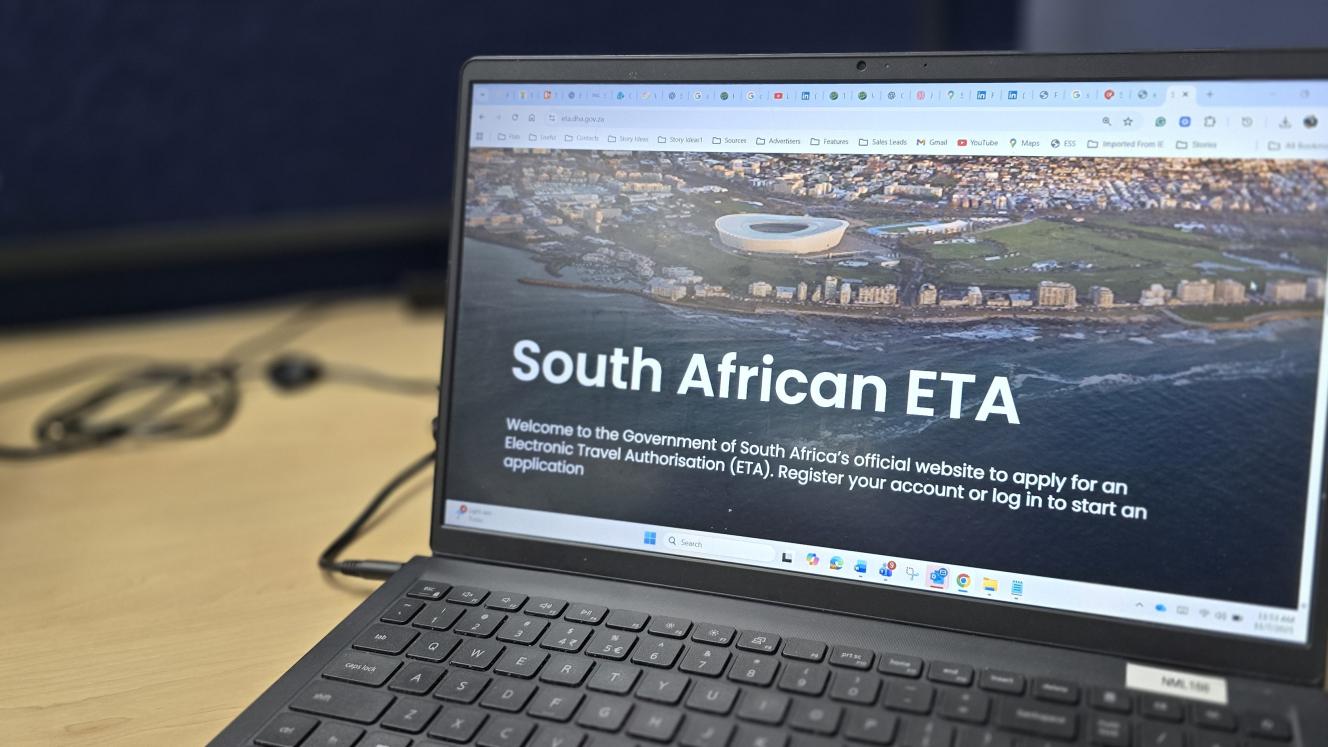












Travel Capitalist Ventures Expands Check Size to $10 Million to Deepen Emerging Market Conviction
Boutique Travel VC raises investment cap from $1.5M to $10M to lead rounds and support portfolio companies through growth Travel...
Read moreDetails
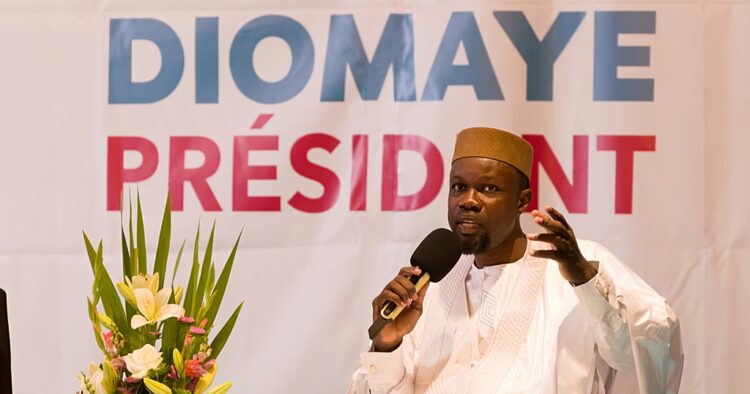
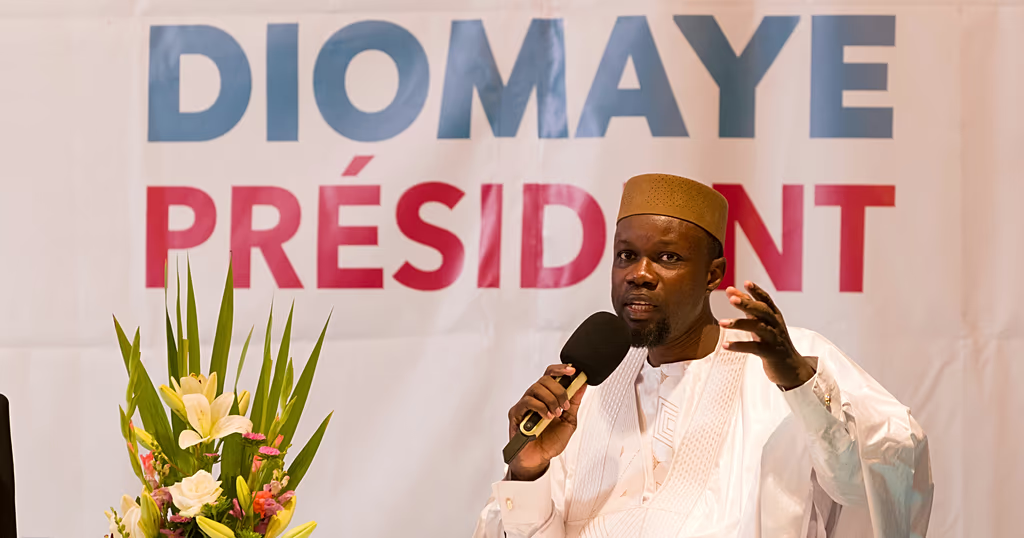
Senegal PM Sonko threatens exit from government amid rift with President Faye
Comprehensive Summarization:
The article discusses Prime Minister Ousmane Sonko’s threat to withdraw his Pastef party from the government and return to the opposition if President Bassirou Diomaye Faye deviates from the party’s vision. Sonko warned that this could lead to a “soft power-sharing” arrangement or more difficult cohabitation in Senegal. The context is set against the backdrop of mounting pressure in Senegal, including university unrest and tense negotiations with the International Monetary Fund (IMF). The IMF has frozen a $1.8 billion loan, adding to the country’s uncertainty. The article underscores the political instability and economic challenges Senegal is facing, which could have broader implications for the travel industry in the region.
Key Points:
Actionable Takeaways:
Political Risk Assessment: Travel companies operating in Senegal should conduct a thorough political risk assessment to understand the potential impact of the current instability on their operations. This includes monitoring the situation closely and developing contingency plans to mitigate risks associated with political shifts.
Diversification of Markets: Given the economic challenges in Senegal, travel companies might consider diversifying their markets to reduce dependency on any single region. This could involve expanding into neighboring countries with more stable political environments or focusing on digital travel solutions that are less affected by local political conditions.
Engagement with Local Stakeholders: Building strong relationships with local stakeholders, including government officials and community leaders, could provide valuable insights into navigating the political landscape. This engagement could help in anticipating changes and aligning business strategies with the evolving political context.
Contextual Insights:
The article reflects the current state of political and economic uncertainty in Senegal, which is a critical factor for the travel industry in the region. The IMF’s decision to freeze a significant loan highlights the country’s financial vulnerabilities, which could lead to increased travel advisories or restrictions. This context is crucial for travel startups and fintech companies looking to innovate in the travel sector. For instance, fintech solutions that offer alternative payment methods or financial services could find a niche in this environment, helping travelers and businesses navigate the economic challenges. Additionally, the unrest among university students could indicate a growing demand for safe and secure travel options, prompting travel companies to enhance their safety protocols and customer service offerings. Overall, the article underscores the need for adaptability and foresight in the travel industry, especially in regions experiencing political and economic turbulence.
Read the Complete Article.
Boutique Travel VC raises investment cap from $1.5M to $10M to lead rounds and support portfolio companies through growth Travel...
Read moreDetails



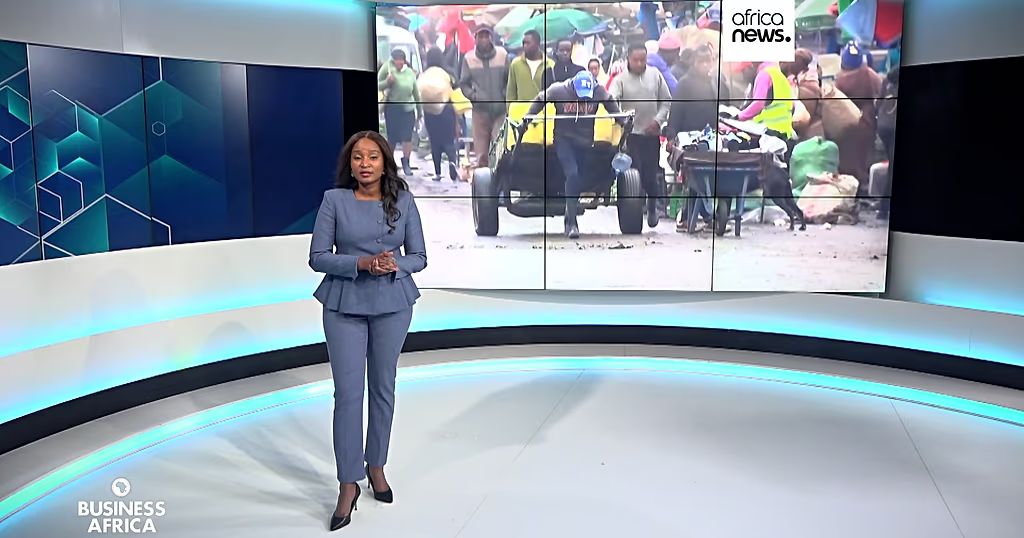
Comprehensive Summarization: The article discusses the significant role of Africa's informal economy, which accounts for approximately 85% of the continent's...
Read moreDetails
