



No products in the cart.
- Latest
- Trending


Senegal cuts official travel as high oil prices put new pressure on budget
Comprehensive Summarization:
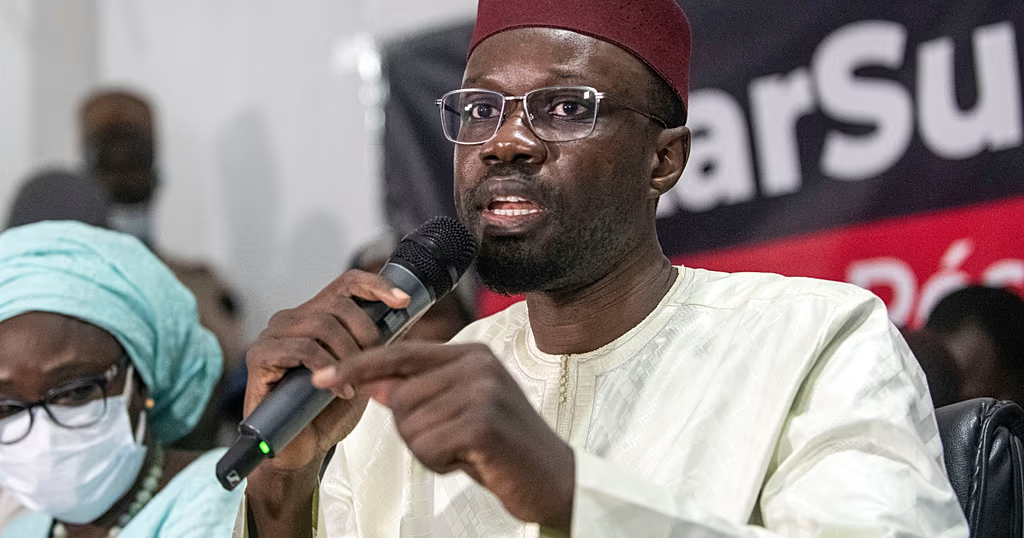
The article discusses Prime Minister Ousmane Sonko of Senegal’s decision to cancel planned trips to Niger, Spain, and France due to the escalating prices of oil, which have risen to nearly $115 a barrel from about $80 before the war on Iran. This move is part of an effort to cut costs and address the financial squeeze Senegal is experiencing following the termination of a lending program by the International Monetary Fund (IMF) over debt misreporting. The country is now facing a budget deficit of nearly 14%, highlighting the significant impact of these economic challenges on Senegal’s travel and tourism sector.
Key Points:
Actionable Takeaways:
Cost Management in Travel Sector: Senegal’s decision to cancel international trips reflects a broader strategy of cost management in response to rising oil prices. Travel companies and tourism boards in similar economically strained regions may consider similar measures to mitigate financial impacts. This could involve optimizing travel budgets, exploring alternative transportation options, or investing in digital travel solutions to reduce physical travel costs.
Impact of IMF Policies on Travel Industry: The termination of the IMF lending program due to debt misreporting underscores the vulnerability of developing countries’ economies to financial mismanagement. Travel startups and fintech companies could focus on developing financial tools and platforms that offer more resilient funding solutions for travel businesses, helping them navigate economic uncertainties and maintain operational stability.
Contextual Insights:
The article’s context is deeply rooted in the current economic challenges faced by Senegal, particularly the impact of oil price fluctuations and the IMF’s financial policies. These issues are not isolated but reflect broader trends in developing economies where financial stability is crucial for sustaining travel and tourism sectors. The rise in oil prices directly affects travel costs, including fuel for transportation and energy for accommodations, thereby impacting the overall travel experience and accessibility. Furthermore, the IMF’s role in providing financial support to countries in debt distress highlights the critical need for robust financial oversight and transparent reporting to prevent economic crises. For the travel industry, this context emphasizes the importance of adaptive strategies that can withstand economic volatility, such as leveraging technology for cost-effective operations and exploring alternative funding models. As travel startups and fintech innovators, there is a significant opportunity to address these challenges by creating solutions that enhance financial resilience and operational efficiency in the travel sector.
Read the Complete Article.
Get curated travel AI insights — choose the newsletters that matter to you.
ALTOUR Expands into Thailand, Strengthening Corporate Travel Network Across Southeast Asia BANGKOK, THAILAND (25 March, 2026) – ALTOUR, a leading...
Read moreDetails


Comprehensive Summarization: The article announces the upcoming ticket presale for Daniel Caesar's tour in Singapore, set to begin on April...
Read moreDetails