







No products in the cart.
- Latest
- Trending

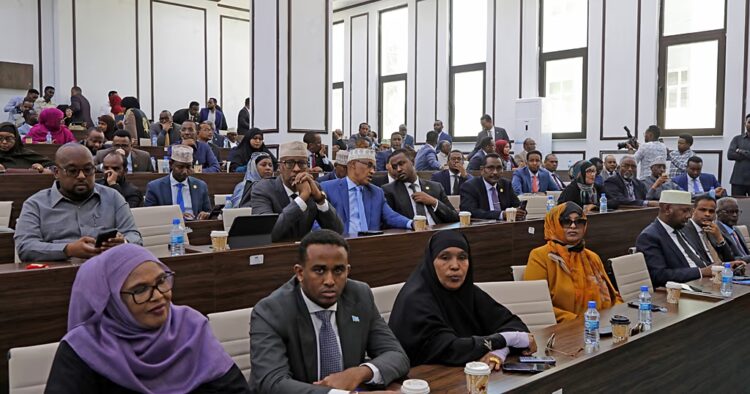
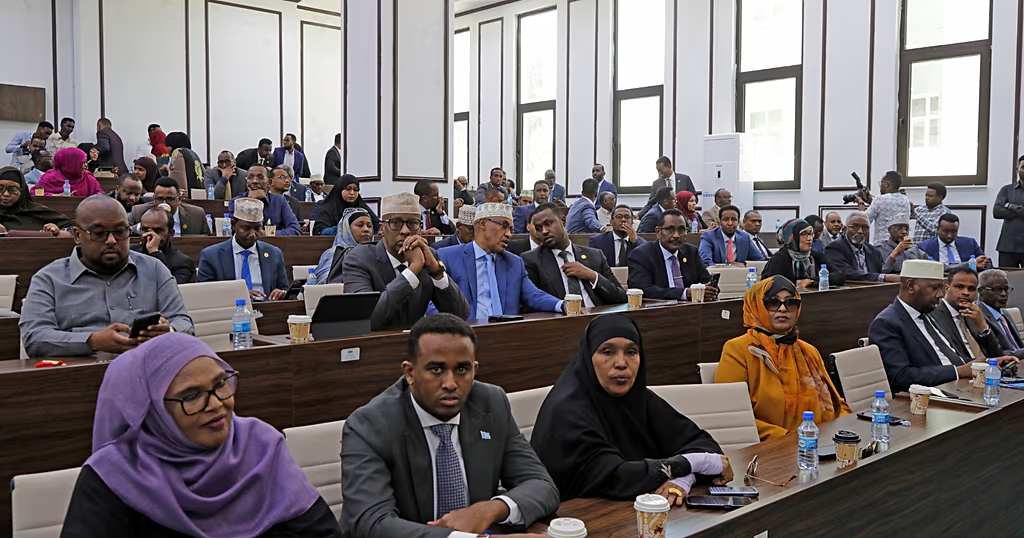
Somalia leads international backlash against Israel over recognition of Somaliland
Article Summary:
The article discusses Somalia’s stance against Israel’s recognition of Somaliland as an independent state, emphasizing Somalia’s assertion that Somaliland is an integral part of its sovereign territory. This stance has garnered support from the African Union, the Arab League, Nigeria, Egypt, and other international organizations, who have collectively condemned Israel’s actions, citing a serious threat to international peace and security. The broader context highlights the growing international backlash against Israel’s recognition, signaling potential geopolitical tensions in the region.
Key Points:
Actionable Takeaways:
Contextual Insights:
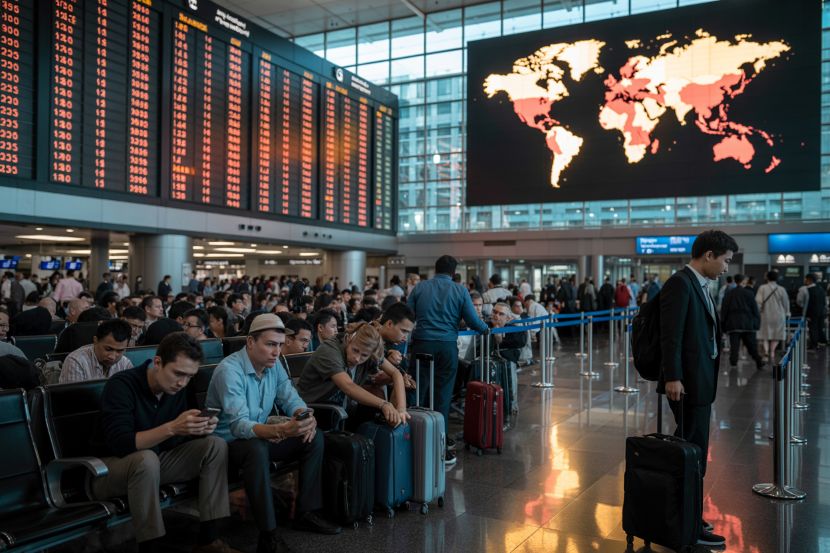
The recognition of Somaliland by Israel and the subsequent international backlash reflect broader geopolitical dynamics in the Middle East and Africa. This situation is emblematic of the complex interplay between state sovereignty, international recognition, and regional stability. For the travel industry, this context suggests a heightened need for vigilance and adaptability. Travel startups and fintech innovators could focus on developing solutions that enhance safety, compliance, and risk management for travelers in volatile regions. By leveraging technology to provide real-time updates on geopolitical developments, these companies can help mitigate risks and ensure smoother travel experiences for their clients. Additionally, understanding the broader implications of such geopolitical events can guide strategic decisions in market expansion, partnership development, and resource allocation within the travel sector.
Read the Complete Article.
Get curated travel AI insights — choose the newsletters that matter to you.
This spot is reserved for brands with a compelling story for the travel trade. They use this space to cut...
Read moreDetailsALTOUR Expands into Thailand, Strengthening Corporate Travel Network Across Southeast Asia BANGKOK, THAILAND (25 March, 2026) – ALTOUR, a leading...
Read moreDetails


Comprehensive Summarization: The article "Global Markets Live: How Tech and Travel Stocks Are Reshaping Traveler Costs in March 2026" provides...
Read moreDetails