








No products in the cart.
- Latest
- Trending

Somalia denies aid seizure as US suspends assistance over WFP warehouse claims
Article Summary:
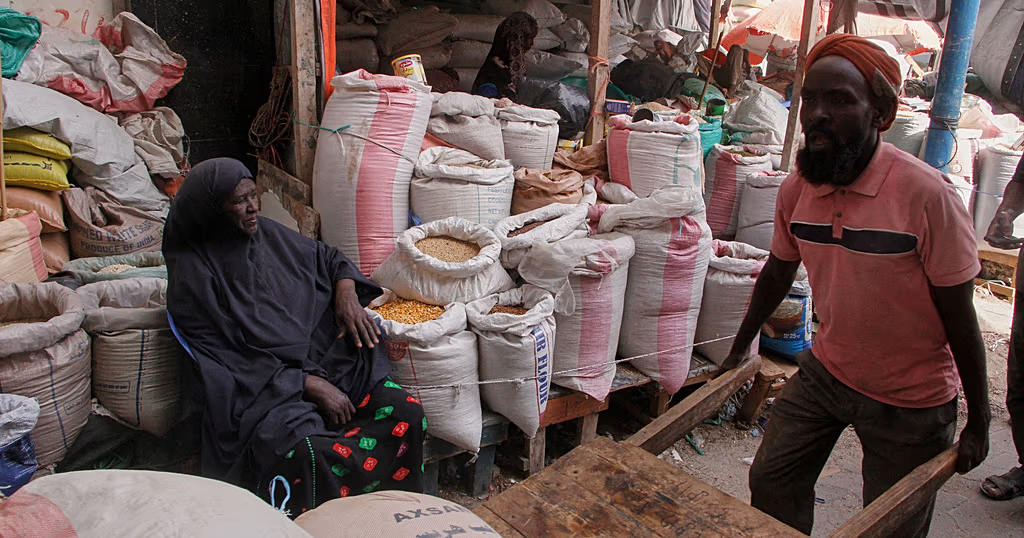
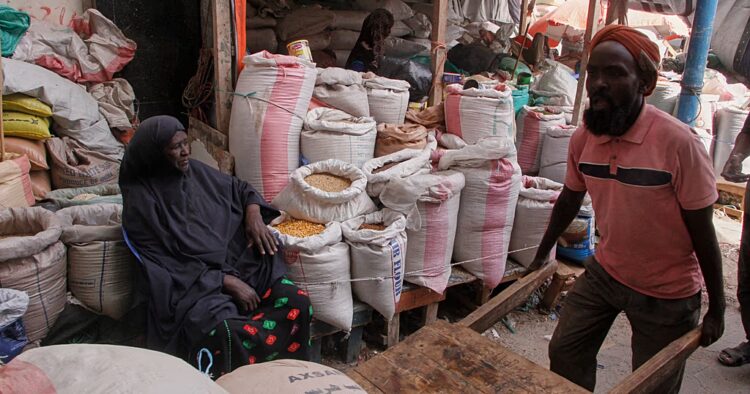
The article reports that Somalia’s government has rejected allegations by the United States that authorities in Mogadishu destroyed an American-funded World Food Programme warehouse and seized food aid intended for vulnerable civilians. This dispute led the U.S. State Department to suspend all assistance to Somalia’s federal government, citing a zero-tolerance policy for the waste or diversion of life-saving aid. The U.S. official stated that the warehouse at Mogadishu Port was demolished at the direction of President Hassan Sheikh Mohamud without prior notice to donors. Somalia’s foreign ministry denied the claim, stating that the food was not destroyed and remains under the custody of the organization.
Key Points:
Actionable Takeaways:
Contextual Insights:
The situation in Somalia reflects broader challenges faced by countries with fragile governance and high levels of food insecurity. The reliance on international aid, particularly from the U.S., is crucial for addressing these challenges. The incident also highlights the need for robust mechanisms to ensure that aid reaches its intended beneficiaries without diversion or misuse. In the context of travel and aid operations, this underscores the importance of technological solutions for tracking and verifying aid distribution. Innovations in travel tech, such as blockchain for supply chain transparency or AI for predictive analytics in aid distribution, could play a pivotal role in mitigating such risks in the future. These technological advancements could enhance the efficiency and accountability of aid operations, ensuring that resources are used effectively and reach those in need.
Read the Complete Article.
Get curated travel AI insights — choose the newsletters that matter to you.
This spot is reserved for brands with a compelling story for the travel trade. They use this space to cut...
Read moreDetailsALTOUR Expands into Thailand, Strengthening Corporate Travel Network Across Southeast Asia BANGKOK, THAILAND (25 March, 2026) – ALTOUR, a leading...
Read moreDetails


Comprehensive Summarization: Marriott Bonvoy, the travel programme of Marriott International, has announced a strategic partnership with Ethiopian Airlines, Africa's largest...
Read moreDetails