








No products in the cart.
- Latest
- Trending

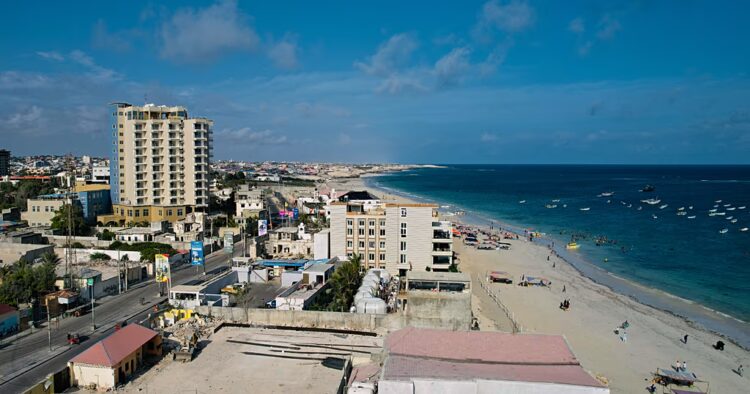
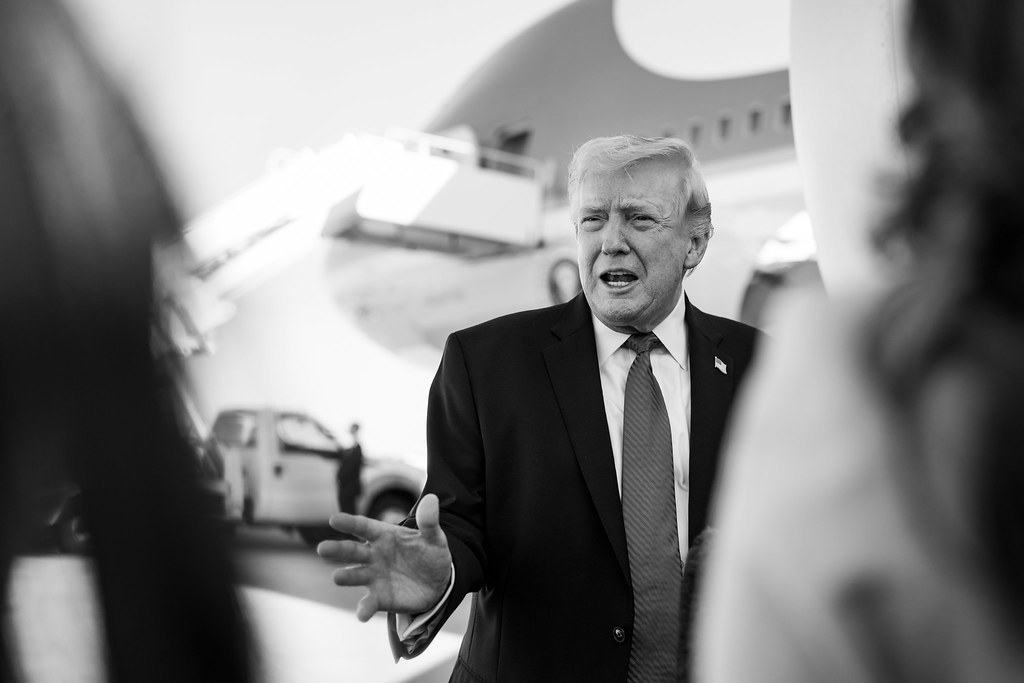
Somalis criticise Trump's remarks calling them 'garbage' as racist
Article Summary:
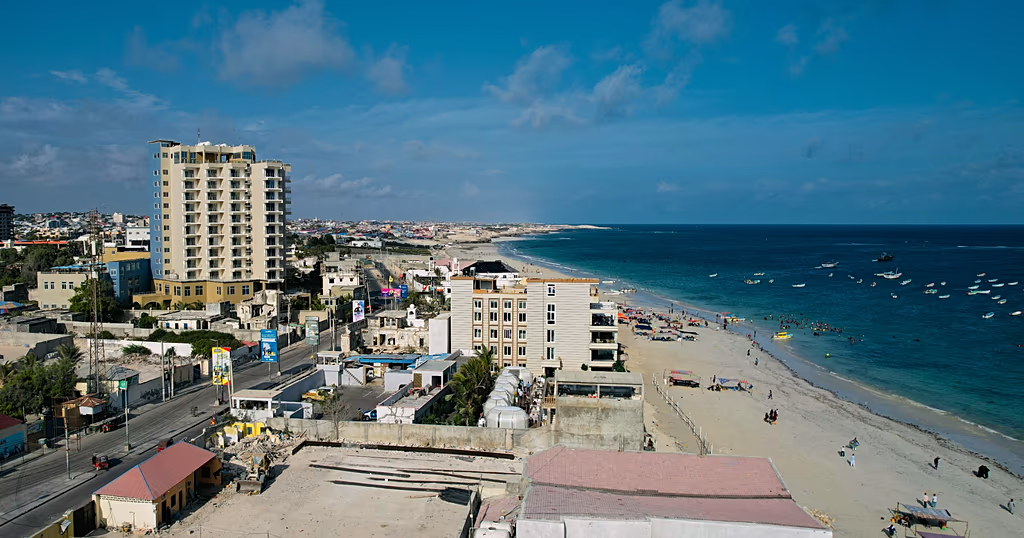
The article discusses the backlash faced by U.S. President Donald Trump after he referred to Somalis as “garbage” in a speech. Many Somalis criticized the remarks as racist, with some residents, like Ibrahim Hassan Hajji, reconsidering their travel plans to the U.S. The article also highlights the muted response from the Somali government, which residents viewed as a sign of disappointment. The context provided includes the broader implications of such remarks on international relations and travel.
Key Points:
Actionable Takeaways:
Contextual Insights:
The article reflects the ongoing sensitivity surrounding international relations and travel, especially in the context of political rhetoric. It highlights the need for governments to respond swiftly and decisively to protect their citizens’ interests. In the travel industry, this underscores the importance of monitoring political developments and being prepared to adapt strategies to mitigate potential negative impacts. The article also points to the broader trend of heightened sensitivity in international communications, driven by social media and global connectivity. This trend is likely to continue shaping travel policies and consumer behavior, making it crucial for industry stakeholders to stay informed and adaptable.
Read the Complete Article.
Get curated travel AI insights — choose the newsletters that matter to you.
ALTOUR Expands into Thailand, Strengthening Corporate Travel Network Across Southeast Asia BANGKOK, THAILAND (25 March, 2026) – ALTOUR, a leading...
Read moreDetails


Comprehensive Summarization: Subject, an AI-powered education platform, has announced a significant growth investment led by Vistara Growth, with participation from...
Read moreDetails