






No products in the cart.
- Latest
- Trending


South Africa urges effective ceasefire and inclusive dialogue to end DRC conflict
Article Summary:
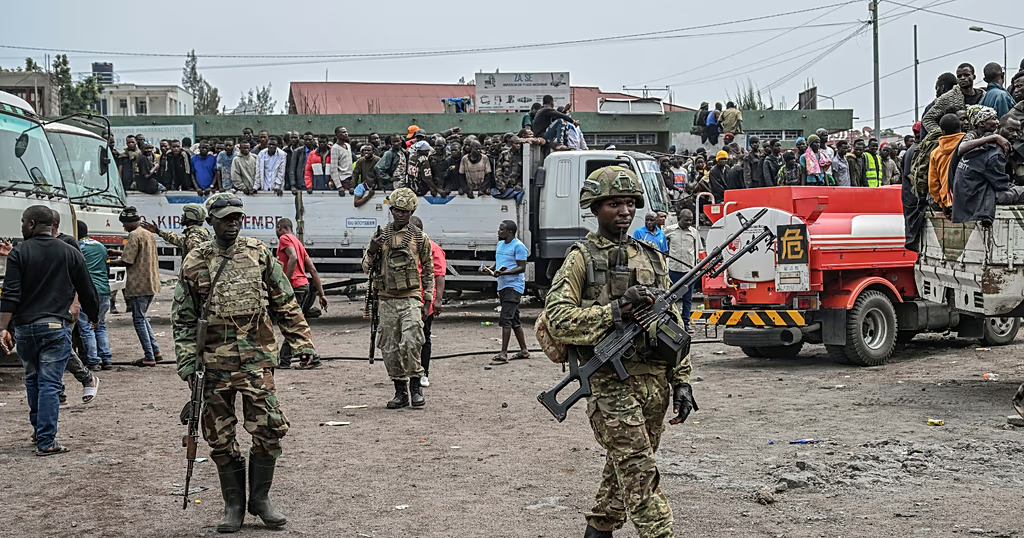
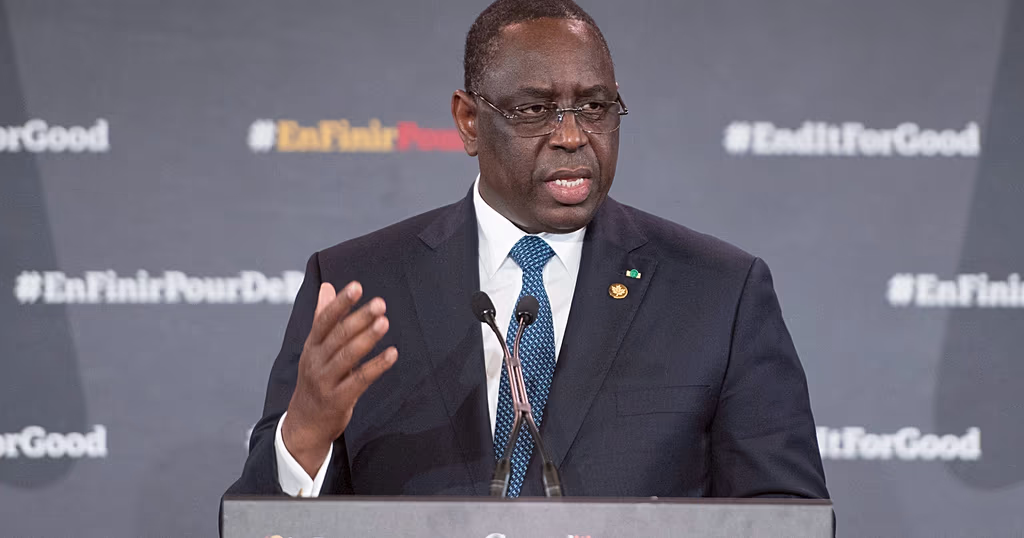
South Africa’s Minister in the Presidency, Khumbudzo Ntshavheni, has expressed urgent concerns over the ongoing conflict in the Democratic Republic of the Congo (DRC). Despite previous peace agreements, such as the 2013 Peace, Security, and Cooperation Framework, the region continues to suffer from violence and instability. Armed groups like the M23 and FDLR persist in disrupting peace efforts, leading to widespread human rights violations and exacerbating humanitarian crises. At a recent Ad Hoc Summit for peace and security, Ntshavheni called for an effective ceasefire and a more inclusive dialogue, urging all parties to honor their commitments and demonstrate genuine progress towards peace.
Key Points:
Actionable Takeaways:
Contextual Insights:
The ongoing conflict in the DRC is a critical issue that intersects with broader travel industry concerns, particularly around safety, security, and humanitarian impact. Recent trends indicate a growing emphasis on responsible tourism, where companies prioritize ethical practices and community engagement to mitigate negative social and environmental impacts. Thought leaders in the travel sector are increasingly advocating for partnerships with local communities and investment in sustainable development projects as a means to foster peace and stability. The insights from Ntshavheni’s call for a ceasefire and inclusive dialogue align with these trends, emphasizing the need for collaborative efforts that go beyond military solutions. By focusing on inclusive dialogue and humanitarian aid, the travel industry can contribute to long-term peacebuilding efforts, ensuring safer and more sustainable travel experiences for its clientele.
Read the Complete Article.
Get curated travel AI insights — choose the newsletters that matter to you.
This spot is reserved for brands with a compelling story for the travel trade. They use this space to cut...
Read moreDetailsALTOUR Expands into Thailand, Strengthening Corporate Travel Network Across Southeast Asia BANGKOK, THAILAND (25 March, 2026) – ALTOUR, a leading...
Read moreDetails


Comprehensive Summarization: The article discusses the challenges facing Thailand's Songkran holiday period, a key indicator of the country's tourism health...
Read moreDetails