








No products in the cart.
- Latest
- Trending


Botswana: UK Imposes Visa On Botswana Nationals
Article Summary:
The article highlights the traditional mat-weaving practices of the Zikhali family in KwaZulu-Natal, South Africa, with a focus on their youngest daughter, Sibonga. Despite the family’s long-standing tradition of mat weaving, Sibonga’s aspirations for her daughter to explore other career options are emphasized. The narrative also touches on the role of Sibonga’s deaf sister, Nomkhuleko, who assists in the weaving process, showcasing the family’s dedication to their craft despite personal challenges.
Key Points:
Actionable Takeaways:
Contextual Insights:
The article reflects the ongoing tradition of mat weaving in KwaZulu-Natal, a region known for its rich cultural heritage. This practice is not only a means of livelihood for the Zikhali family but also a cultural artifact that connects them to their ancestors. In the context of the travel industry, such traditional crafts offer unique selling propositions for tourists seeking authentic experiences. Moreover, the inclusion of a family member with a disability, Nomkhuleko, aligns with contemporary trends emphasizing inclusivity and accessibility in tourism. As the travel industry continues to evolve, incorporating such narratives can enhance the appeal of travel destinations, making them more attractive to a diverse range of travelers. The article also hints at the potential for technological integration in traditional crafts, such as using digital platforms to showcase and sell handwoven mats to a global audience, which could be a forward-looking trend for travel startups in the cultural tourism space.
Read the Complete Article.
Get curated travel AI insights — choose the newsletters that matter to you.
This spot is reserved for brands with a compelling story for the travel trade. They use this space to cut...
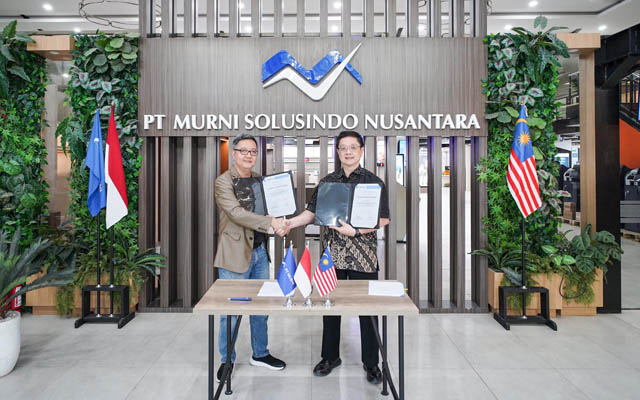
Read moreDetailsALTOUR Expands into Thailand, Strengthening Corporate Travel Network Across Southeast Asia BANGKOK, THAILAND (25 March, 2026) – ALTOUR, a leading...
Read moreDetails


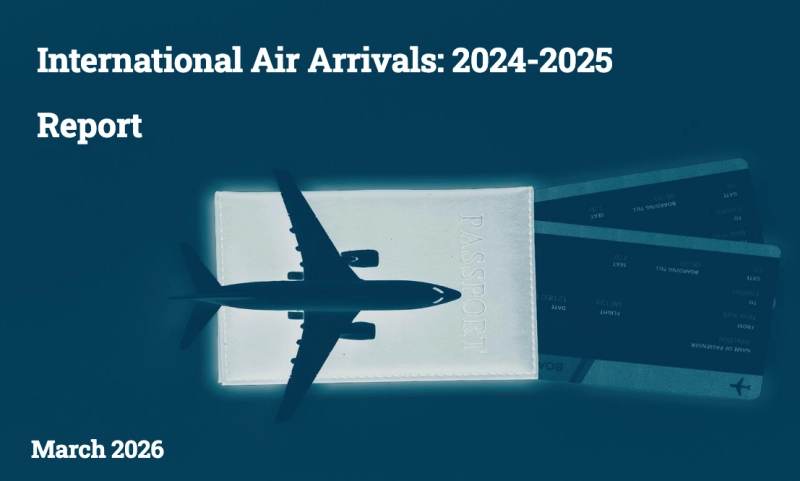
Comprehensive Summarization: The article from INSETE highlights a significant 5.9% increase in international air arrivals to Greece in 2025, reaching...
Read moreDetails