




No products in the cart.
- Latest
- Trending


Botswana: UK Imposes Visa On Botswana Nationals
Article Summary:
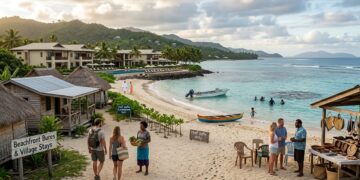
The article provides an overview of St Lucia, a beachside town in South Africa, known for its attractions including fishing, birdwatching, game drives, and swimming in Cape Vidal Nature Reserve. A significant highlight is the presence of approximately a thousand hippos in Lake St Lucia, the largest estuarine lake in South Africa. These semi-aquatic mammals spend most of their day submerged in the lake’s shallows. The town’s main road, Mackenzie Street, is heavily saturated with hippo-related signage, indicating its prominence as a tourist attraction.
Key Points:
Actionable Takeaways:
Contextual Insights:
The article reflects the ongoing trend in the travel industry towards destinations that offer unique wildlife experiences. As more travelers seek authentic and immersive experiences, towns like St Lucia are capitalizing on their natural attractions. The emphasis on hippos as a key attraction aligns with the broader industry shift towards experiential travel, where the experience itself—such as observing wildlife in their natural habitat—takes precedence over traditional tourist activities. This trend is supported by thought leaders who advocate for sustainable and responsible tourism practices, ensuring that such attractions are preserved for future generations. The article also underscores the importance of infrastructure development in supporting tourism, a point echoed by industry experts who stress the need for well-planned tourism infrastructure to enhance visitor satisfaction and safety.
Read the Complete Article.
Get curated travel AI insights — choose the newsletters that matter to you.
ALTOUR Expands into Thailand, Strengthening Corporate Travel Network Across Southeast Asia BANGKOK, THAILAND (25 March, 2026) – ALTOUR, a leading...
Read moreDetails


Comprehensive Summarization: The article reports on recent developments concerning Iranian nationals holding residence visas in the UAE. Reports from UAE...
Read moreDetails