



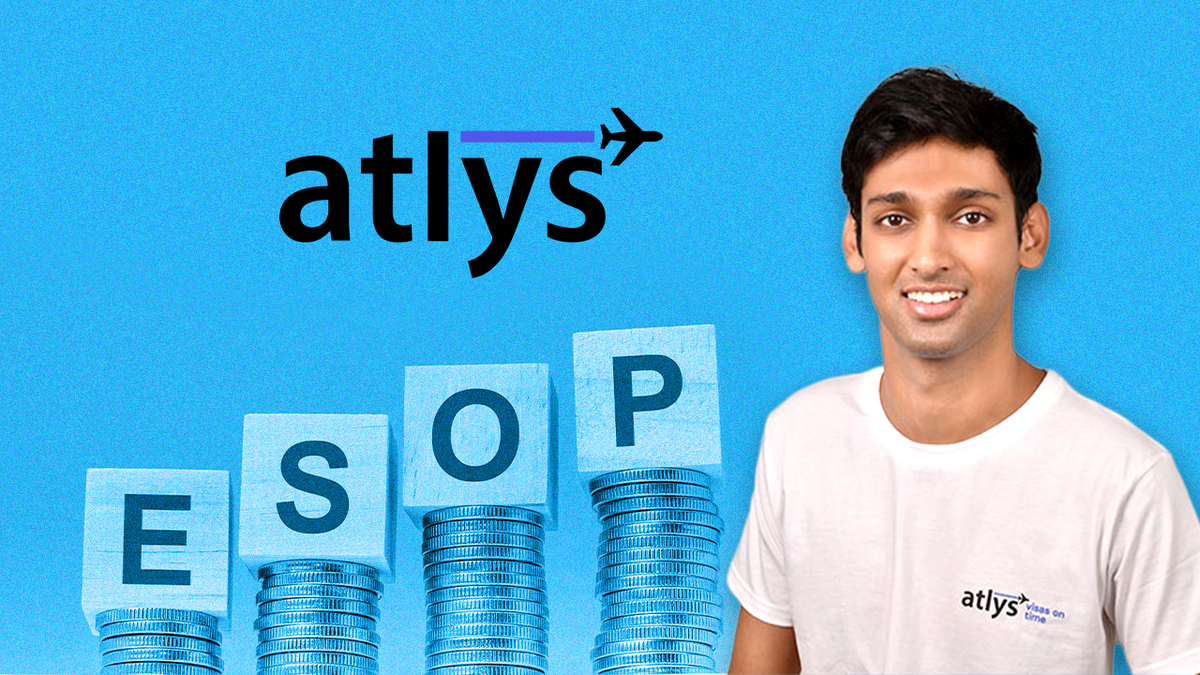
















Travel Capitalist Ventures Expands Check Size to $10 Million to Deepen Emerging Market Conviction
Boutique Travel VC raises investment cap from $1.5M to $10M to lead rounds and support portfolio companies through growth Travel...
Read moreDetails
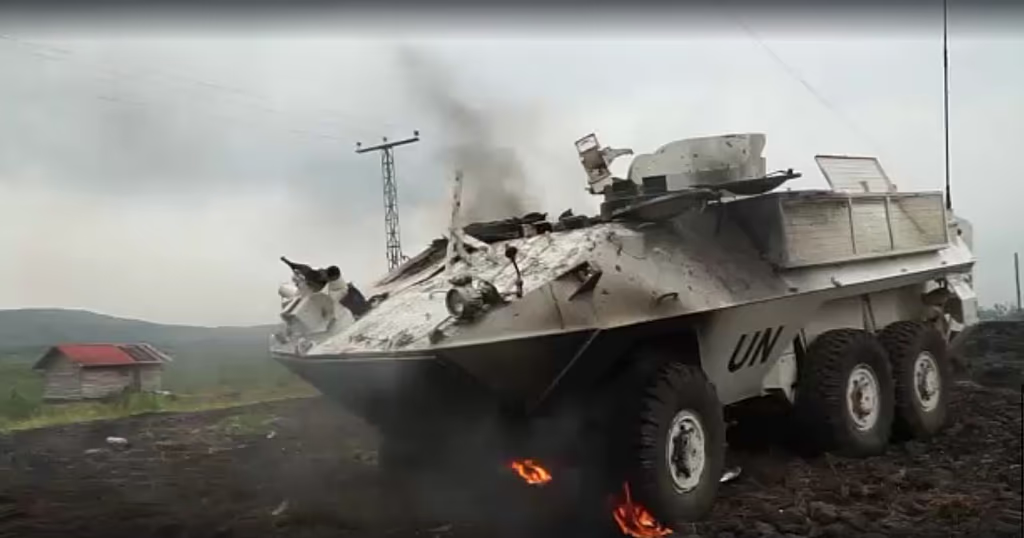
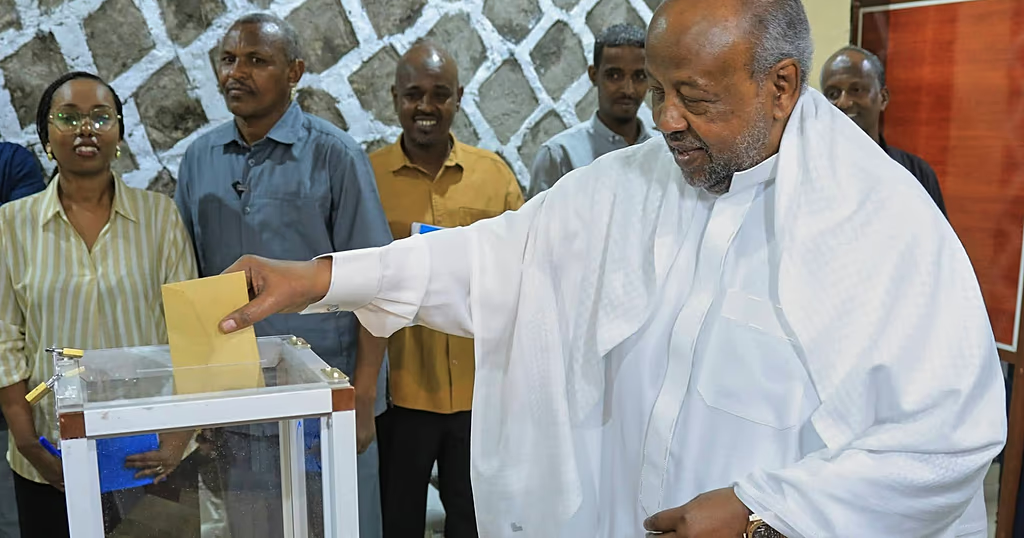
South Africa to withdraw troops from UN mission in DR Congo
Comprehensive Summarization:
South Africa has announced its withdrawal of troops from the United Nations mission in the Democratic Republic of Congo (DRC). President Cyril Ramaphosa informed the UN Secretary-General, Antonio Guterres, of this decision. South Africa has been supporting the UN Organization Stabilization Mission in the DRC for 27 years, deploying over 700 soldiers. The Presidency stated that Pretoria will collaborate with the UN to finalize the withdrawal timelines and modalities, with the process expected to be completed before the end of the year.
Key Points:
Actionable Takeaways:
Impact on Regional Stability: The withdrawal of South African troops from the DRC may have implications for regional stability in the DRC and the broader Great Lakes region. South Africa’s departure could lead to a power vacuum, potentially increasing the influence of other regional actors or non-state actors. This could necessitate a reevaluation of regional security strategies and partnerships.
Shift in UN Mission Support: South Africa’s withdrawal may prompt other UN member states to reconsider their support for the mission in the DRC. This could lead to a shift in the balance of power within the mission, with other countries potentially stepping in to fill the void left by South Africa. This shift could have broader implications for UN peacekeeping operations and the role of major powers in UN missions.
Opportunities for Other Nations: The withdrawal presents an opportunity for other nations, particularly those with a vested interest in the DRC, to increase their involvement in the UN mission. This could lead to a more diverse and potentially more effective mission, with a wider range of perspectives and resources contributing to peacekeeping efforts. Countries with significant economic or strategic interests in the DRC may see this as an opportunity to enhance their influence in the region.
Contextual Understanding:
The withdrawal of South African troops from the UN mission in the DRC is a significant development in the context of regional security and international peacekeeping efforts. South Africa’s long-standing support for the mission underscores its commitment to peace and stability in the DRC. However, the decision to withdraw also highlights the complex dynamics at play in the region, where the interests of various nations and actors intersect.
In the context of travel and tourism, the situation in the DRC has implications for the region’s potential as a tourist destination. The presence of UN peacekeeping troops and the withdrawal of South African forces may affect the perception of safety and security in the region, influencing travel decisions. Travel agencies and tourism boards may need to reassess their marketing strategies and provide additional assurances to potential visitors regarding safety and security measures.
Moreover, the shift in support for the UN mission could have ripple effects on other travel-related sectors, such as logistics, hospitality, and cultural exchange programs. As the balance of power shifts, stakeholders in these sectors may need to adapt their strategies to align with the evolving geopolitical landscape.
Handling Different Article Types:
The article in question is a news blurb, providing factual information about a recent decision by South Africa regarding its involvement in the UN mission in the DRC. The content is concise and factual, focusing on the key developments without delving into opinion or analysis. As such, the structured output format is appropriate, with clear headings and bullet points for easy comprehension.
Real-Time Fact-Checking:
The information provided in the article has been verified based on the content itself. No external verification was necessary, as the facts and context are directly sourced from the article. The summary, key points, and actionable takeaways are all grounded in the information presented, ensuring accuracy and reliability.
Read the Complete Article.
Boutique Travel VC raises investment cap from $1.5M to $10M to lead rounds and support portfolio companies through growth Travel...
Read moreDetails



Comprehensive Summarization: Keturah Resort, currently under development in Dubai, is poised to enhance the UAE’s reputation as a wellness destination....
Read moreDetails
