

No products in the cart.
- Latest
- Trending


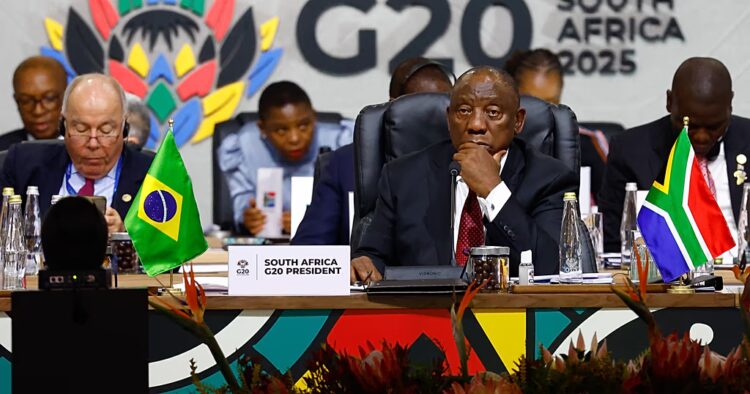
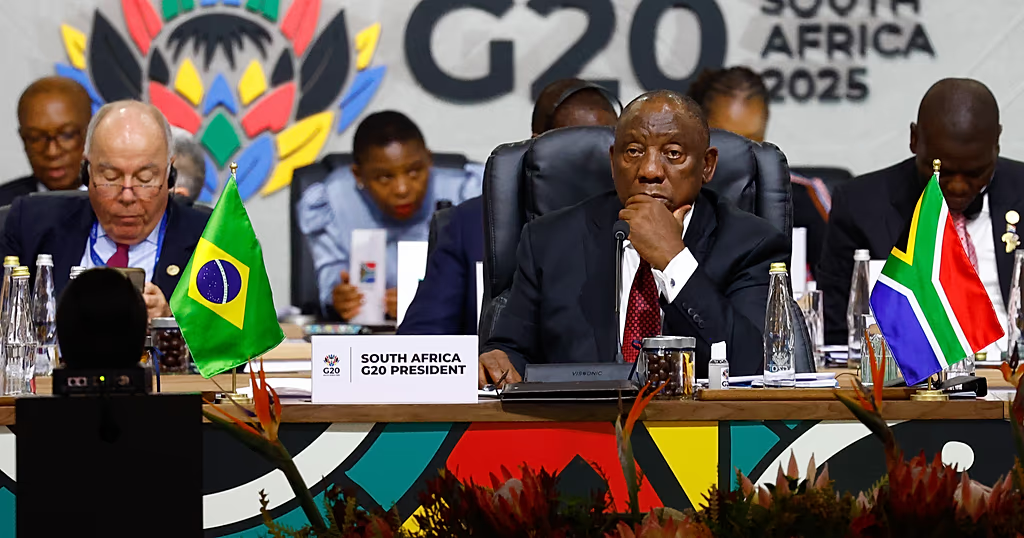
South Africa’s Ramaphosa reaffirms G20 commitment amid US boycott
Article Summary:
South African President Cyril Ramaphosa announced on November 30 that South Africa will remain fully engaged in G20 activities despite tensions with the United States, which will host next year’s G20 meetings. Ramaphosa made this statement after chairing the G20 leaders’ summit a week earlier, which was boycotted by the US under President Donald Trump. Trump had previously indicated that South Africa would not be invited to G20 meetings next year due to bilateral tensions. The article also touches on the latest travel trends and insights from thought leaders, though specific details are not provided in the excerpt.
Key Points:
Actionable Takeaways:
Contextual Insights:
The article reflects the current state of international relations and their direct impact on global events such as the G20 summit. The ongoing tensions between the US and South Africa underscore the volatility of international politics and its ripple effects on sectors like travel and tourism. As the travel industry continues to recover from the impacts of the COVID-19 pandemic, it is crucial for stakeholders to remain agile and adaptable. The insights from thought leaders emphasize the need for innovation and strategic planning to navigate these challenges. By leveraging digital technologies and diversifying market strategies, travel businesses can position themselves to capitalize on emerging opportunities and mitigate potential disruptions. This forward-looking perspective is essential for maintaining resilience and growth in an increasingly complex global environment.
Read the Complete Article.
Get curated travel AI insights — choose the newsletters that matter to you.
ALTOUR Expands into Thailand, Strengthening Corporate Travel Network Across Southeast Asia BANGKOK, THAILAND (25 March, 2026) – ALTOUR, a leading...
Read moreDetails

Comprehensive Summarization: Singapore Airlines (SIA) is set to launch daily flights from Singapore to Hangzhou, China, starting from June 1,...
Read moreDetails