
























Travel Capitalist Ventures Expands Check Size to $10 Million to Deepen Emerging Market Conviction
Boutique Travel VC raises investment cap from $1.5M to $10M to lead rounds and support portfolio companies through growth Travel...
Read moreDetails
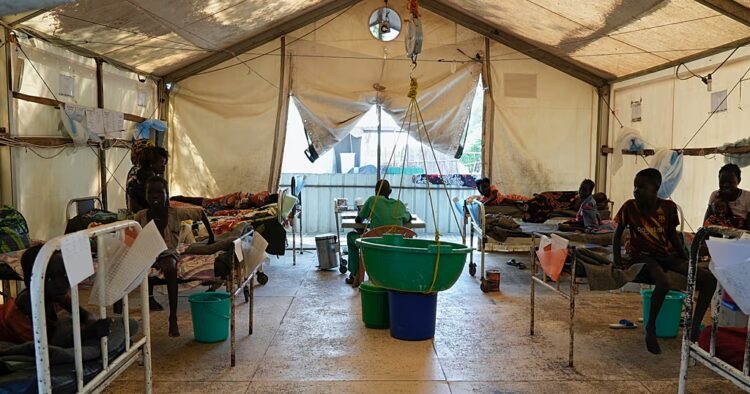
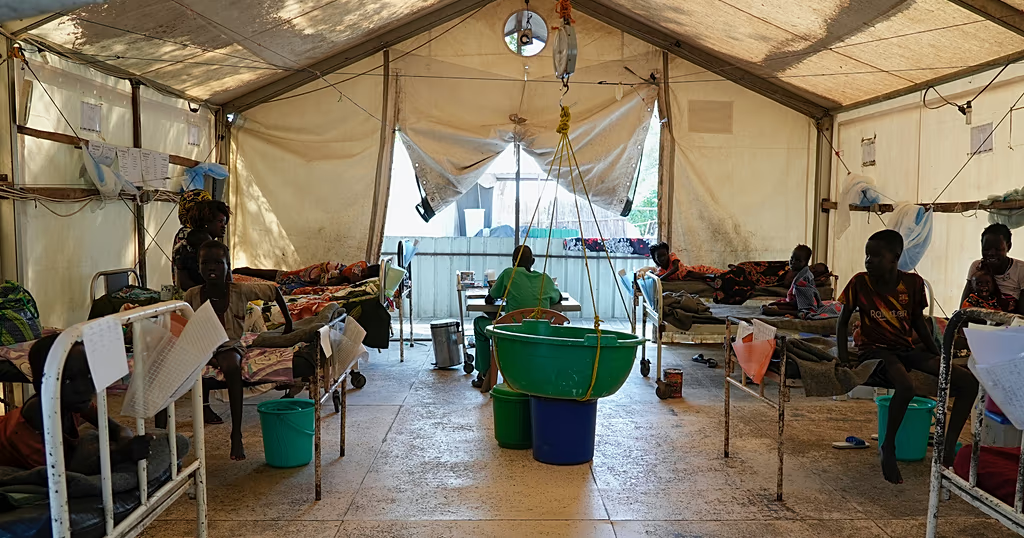
South Sudan: 26 medical workers missing after attacks
Comprehensive Summarization:
The article reports that Doctors Without Borders (MSF), a medical charity, has reported that more than two dozen of its workers remain unaccounted for a month after attacks in South Sudan. The attacks occurred on February 3 in Jonglei State, northeast of the capital, Juba, where violence has displaced an estimated 280,000 people since December. Two MSF facilities were targeted: a hospital in Lankien was bombed by government forces, and another in Pieri was raided by “unknown assailants.” Both facilities were located in opposition-held areas. The article underscores the ongoing security challenges faced by humanitarian organizations in conflict zones and the impact on their operations and personnel.
Key Points:
Actionable Takeaways:
Enhanced Security Measures for Humanitarian Organizations: Given the reported attacks on MSF facilities, humanitarian organizations operating in conflict zones should consider enhancing their security protocols. This could include increased surveillance, improved communication systems, and contingency plans for rapid evacuation. The relevance of this takeaway lies in the potential to protect staff and operations, thereby ensuring the continuity of critical humanitarian services.
Impact on Humanitarian Response Efforts: The displacement of 280,000 people due to violence in Jonglei State highlights the significant impact of security incidents on humanitarian response efforts. Organizations providing aid must adapt their strategies to address the evolving security landscape. This takeaway is crucial for stakeholders in the travel and logistics sectors, as it emphasizes the need for reliable and secure transportation solutions to support humanitarian operations in volatile regions.
Contextual Insights:
The attacks on MSF facilities in South Sudan reflect the persistent security challenges faced by humanitarian organizations operating in conflict zones. The displacement of a significant number of people due to violence underscores the broader humanitarian crisis in the region. In the context of the travel industry, this situation highlights the importance of secure and reliable transportation solutions for both humanitarian aid and commercial travel. Thought leaders in travel tech are increasingly focusing on developing advanced security systems and real-time monitoring solutions to mitigate risks associated with travel to conflict-affected areas. The insights from this article suggest that the travel industry must continue to innovate and adapt to ensure the safety and efficiency of operations in regions affected by conflict.
Read the Complete Article.
Boutique Travel VC raises investment cap from $1.5M to $10M to lead rounds and support portfolio companies through growth Travel...
Read moreDetails



Raleigh, North Carolina — August 14, 2023 In short: Raleigh’s hotel market continues strong growth despite new supply, with demand...
Read moreDetails
