
















Travel Capitalist Ventures Expands Check Size to $10 Million to Deepen Emerging Market Conviction
Boutique Travel VC raises investment cap from $1.5M to $10M to lead rounds and support portfolio companies through growth Travel...
Read moreDetails
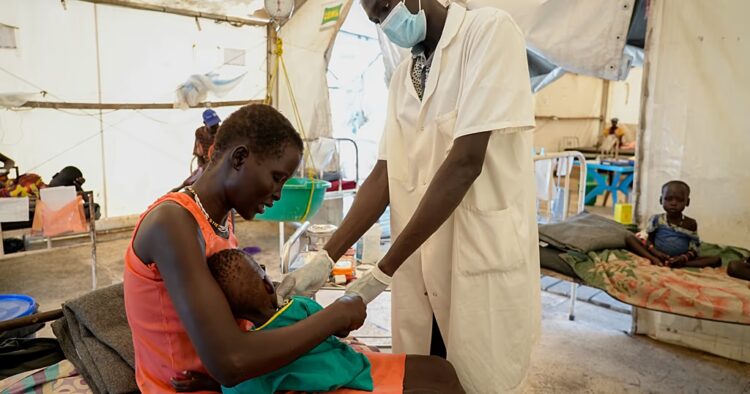
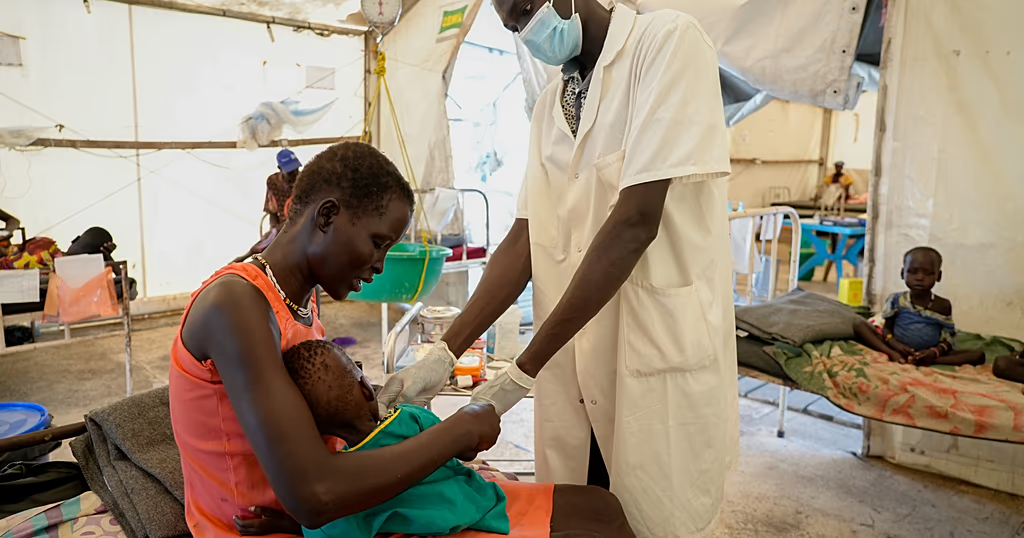
Dead on arrival: South Sudan's devastated health system
Comprehensive Summarization:
The article highlights the dire state of South Sudan’s healthcare system, which has been severely impacted by corruption. A case in point is the governor of Jonglei state, Riek Gai Kok, who had to travel to Kenya for treatment of high blood pressure due to the collapse of healthcare services. The situation is exacerbated by ongoing conflict between government and opposition parties in Jonglei state. The article underscores the systemic corruption in South Sudan, ranking its elite among the most corrupt globally, as cited by Transparency International. This corruption has led to the collapse of essential services, including healthcare, which is further strained by the resurgence of civil war in the country.
Key Points:
Actionable Takeaways:
Contextual Insights:
The article reflects the broader challenges faced by developing nations with fragile governance structures, where corruption can cripple essential services like healthcare. This situation is not unique to South Sudan but is indicative of systemic issues prevalent in many countries with similar governance challenges. The reliance on international medical treatment for local leaders underscores the urgent need for systemic reforms. From a travel industry perspective, the instability in South Sudan poses significant risks for tourism and business travel, necessitating a focus on risk assessment and mitigation strategies. The insights from thought leaders in travel tech and fintech could be leveraged to develop innovative solutions for safe and secure travel in conflict zones, such as mobile health services or secure payment systems for travelers.
Read the Complete Article.
Boutique Travel VC raises investment cap from $1.5M to $10M to lead rounds and support portfolio companies through growth Travel...
Read moreDetails



Comprehensive Summarization: The article from the Nepal Police's Central Investigation Bureau (CIB) reveals one of the largest insurance frauds in...
Read moreDetails
