




No products in the cart.
- Latest
- Trending

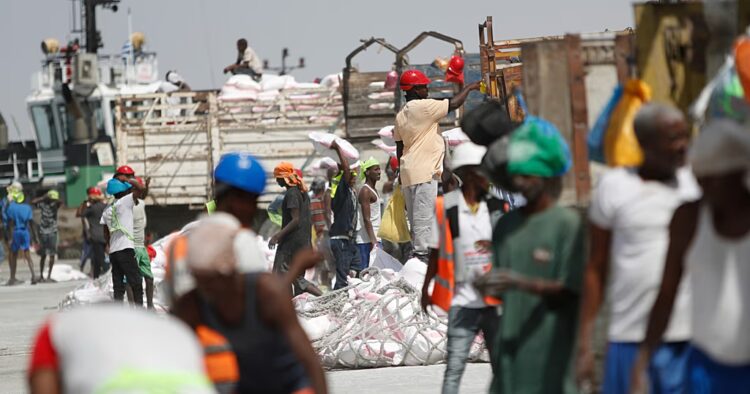
Sweden voices support for Mogadishu after Israel's recognition of Somaliland
Article Summary:
Sweden has expressed support for Somalia’s recognition of Somaliland as an independent state, following Israel’s recent acknowledgment. The Swedish foreign ministry emphasized its commitment to Somalia’s unity, sovereignty, and territorial integrity, aligning with the principles of the European Union, African Union, and relevant regional bodies. Somaliland declared independence from Mogadishu in 1991 but has never been officially recognized until now.
Key Points:
Actionable Takeaways:
Contextual Insights:
The recognition of Somaliland by Israel and Sweden’s subsequent support reflect the complex geopolitical landscape of the Horn of Africa. This development is significant as it underscores the evolving nature of international recognition and the potential for regional stability. In the context of the travel industry, such geopolitical shifts can have profound implications for safety, policy, and market opportunities. The article also highlights the growing importance of fintech innovations in conflict zones, suggesting a trend towards more technologically advanced solutions to address financial challenges in regions with limited infrastructure. As the travel industry continues to adapt to these changes, staying abreast of geopolitical developments and technological advancements will be crucial for professionals aiming to navigate the evolving landscape effectively.
Read the Complete Article.
Get curated travel AI insights — choose the newsletters that matter to you.
This spot is reserved for brands with a compelling story for the travel trade. They use this space to cut...
Read moreDetailsALTOUR Expands into Thailand, Strengthening Corporate Travel Network Across Southeast Asia BANGKOK, THAILAND (25 March, 2026) – ALTOUR, a leading...
Read moreDetails


Comprehensive Summarization: The article highlights the significant impact of geopolitical tensions involving the United States, Israel, and Iran on the...
Read moreDetails