

No products in the cart.
- Latest
- Trending

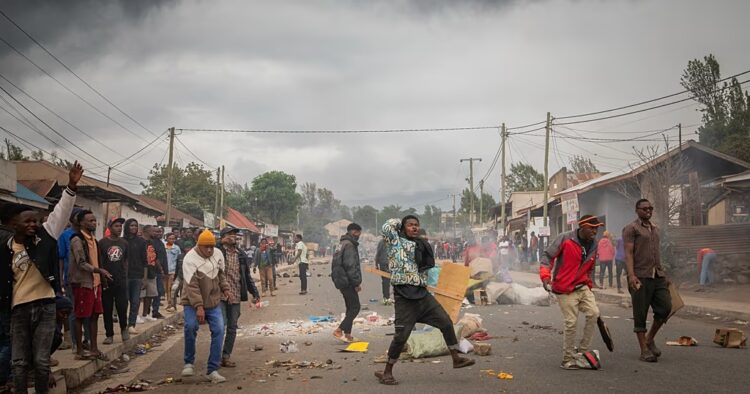
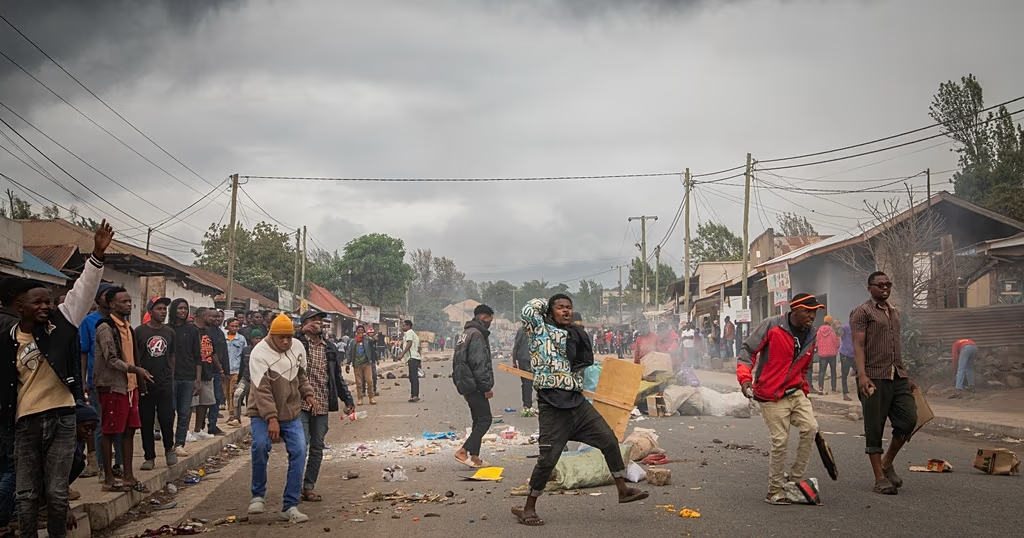
Tanzania blocks activists online as independence day protests loom
Article Summary:
Meta has restricted Tanzanian activist Maria Sarungi-Tsehai’s Instagram account within Tanzania following a government directive, raising concerns about digital censorship ahead of planned Independence Day protests on December 9. Additionally, US-based critic Mange Kimambi had her accounts with 2.7 million followers deleted for alleged “recidivism policy” violations, which she claims are politically motivated. Meta’s actions confirm their compliance with Tanzanian authorities’ request to limit Sarungi’s reach domestically, though they deny direct involvement in Kimambi’s deletions.
Key Points:
Actionable Takeaways:
Contextual Insights:
The article reflects the ongoing tension between digital platforms and government regulations, especially in regions where political events can rapidly escalate. As the travel industry increasingly relies on digital marketing and social media engagement, understanding the implications of such restrictions is crucial. The recent trend of influencer account deletions also signals a need for travel brands to adopt more resilient marketing strategies, potentially investing in alternative channels or building stronger relationships with local influencers who may be less susceptible to such restrictions. This situation underscores the importance of staying informed about regulatory changes and their potential impact on marketing strategies within the travel sector.
Read the Complete Article.
Get curated travel AI insights — choose the newsletters that matter to you.
ALTOUR Expands into Thailand, Strengthening Corporate Travel Network Across Southeast Asia BANGKOK, THAILAND (25 March, 2026) – ALTOUR, a leading...
Read moreDetails


Comprehensive Summarization: Indian Hotels Company Limited (IHCL) has significantly expanded the Taj Safaris brand by introducing a new luxury eco-lodge...
Read moreDetails