





No products in the cart.
- Latest
- Trending


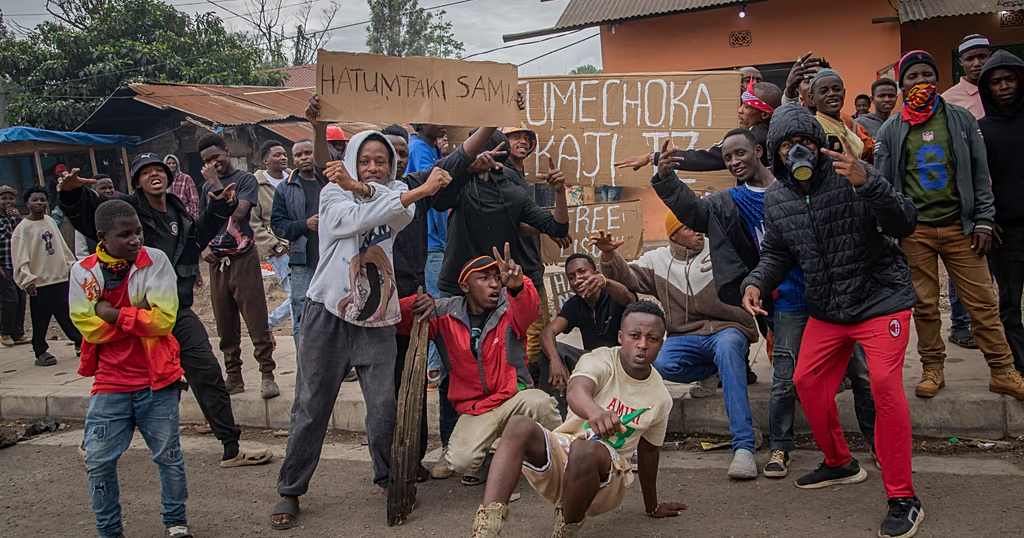
Fears of new clashes as police in Tanzania outlaw Independence Day protests
Article Summary:
The article reports that Tanzanian police have announced that protests during next week’s Independence Day will be illegal, raising concerns of further clashes following last month’s post-election violence. President Samia Suluhu Hassan’s victory in the October presidential vote led to widespread protests, resulting in hundreds of deaths, thousands of arrests, and opposition parties criticizing the situation. The United Nations Human Rights Commissioner has reminded Tanzanian authorities of their obligation to ensure the rights to peaceful assembly, urging security forces to respect these rights.
Key Points:
Actionable Takeaways:
Contextual Insights:
The article’s context is deeply rooted in recent political developments in Tanzania, particularly the aftermath of the October presidential election. The unrest and subsequent declaration of illegal protests highlight the volatile political climate and the potential for social unrest to impact travel and tourism. From a travel industry perspective, this underscores the importance of real-time monitoring of political developments and the ability to adapt travel plans swiftly in response to emerging risks. The emphasis on human rights compliance also reflects broader industry trends towards ethical and socially responsible business practices, particularly in regions where political instability may pose risks to travelers and businesses. As the travel industry continues to evolve, staying informed about geopolitical events and their potential impact on travel destinations will be crucial for maintaining safety and compliance.
Read the Complete Article.
Get curated travel AI insights — choose the newsletters that matter to you.
ALTOUR Expands into Thailand, Strengthening Corporate Travel Network Across Southeast Asia BANGKOK, THAILAND (25 March, 2026) – ALTOUR, a leading...
Read moreDetails


Comprehensive Summarization: India's burgeoning interest in dark skies and deep space is transforming the domestic travel landscape, with Karnataka emerging...
Read moreDetails