

















Travel Capitalist Ventures Expands Check Size to $10 Million to Deepen Emerging Market Conviction
Boutique Travel VC raises investment cap from $1.5M to $10M to lead rounds and support portfolio companies through growth Travel...
Read moreDetails
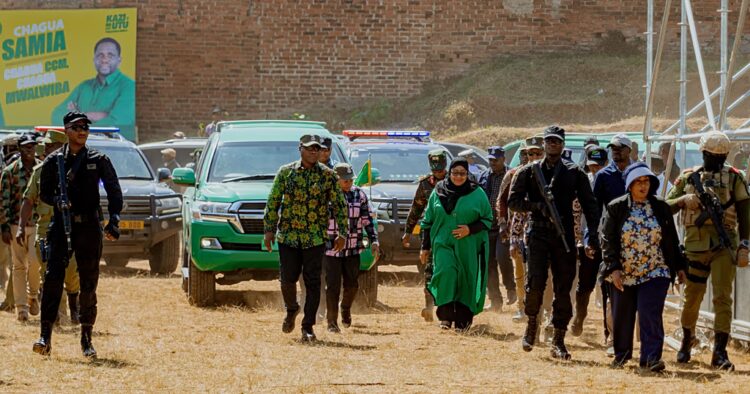
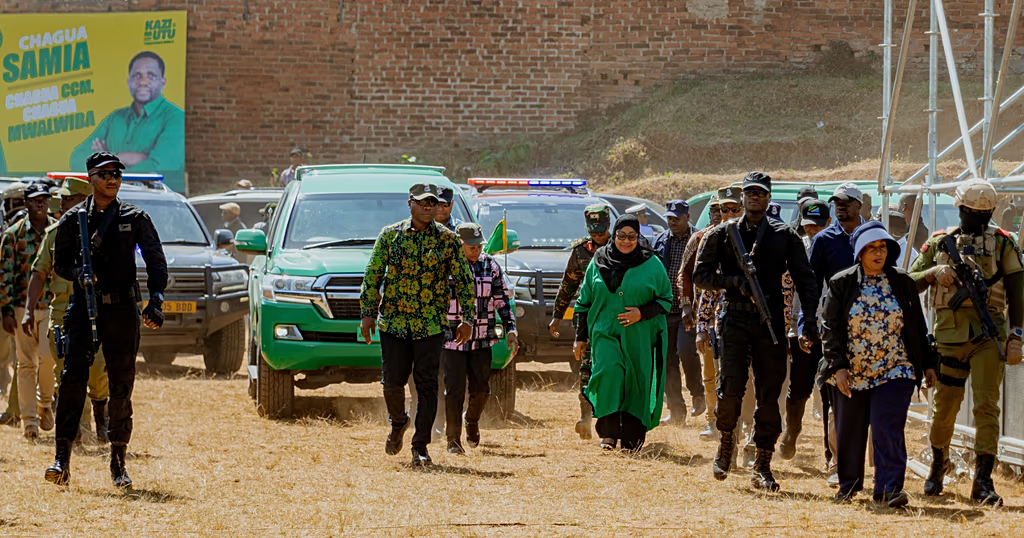
Tanzania president orders smaller official convoys to cut fuel
Comprehensive Summarization:
Tanzania’s President Samia Suluhu Hassan has announced a reduction in the number of official and luxury vehicles in her motorcade to address fuel shortages and rising oil prices. This move is part of a broader trend among several African governments, including Madagascar, South Africa, and Ethiopia, who have implemented measures such as declaring states of emergency, cutting fuel levies, and introducing fuel rationing to cope with the current fuel crisis driven by oil price surges in the Middle East. Senegal has gone a step further by banning all but essential foreign trips for government ministers. These actions reflect a concerted effort to manage fuel consumption and mitigate the economic impact of high oil prices on government operations and the broader economy.
Key Points:
Actionable Takeaways:
Fuel Efficiency Measures in Government Operations: Governments across Africa are taking proactive steps to reduce fuel consumption in official vehicles, which can serve as a model for other sectors facing similar challenges. This could encourage private companies and startups in the travel industry to invest in fuel-efficient technologies and alternative energy sources for their fleets, potentially leading to innovations in electric or hybrid vehicle adoption in the travel sector.
Economic Impact on Travel and Tourism: Rising fuel prices can significantly impact the travel and tourism industry, increasing operational costs for airlines, hotels, and tour operators. Travel businesses may need to reassess their pricing strategies and explore cost-saving measures, such as optimizing routes, improving fuel efficiency, or investing in sustainable travel options. This could drive demand for travel tech solutions that enhance operational efficiency and sustainability.
Policy Implications for Fuel-Dependent Economies: The measures taken by African governments highlight the vulnerability of fuel-dependent economies to global oil price fluctuations. Travel businesses operating in these regions may need to develop contingency plans to mitigate the impact of fuel price volatility. This could include diversifying supply chains, investing in renewable energy sources, or exploring partnerships with local governments to implement fuel-saving initiatives.
Contextual Understanding:
The article reflects the current global context of rising oil prices and fuel shortages, which are affecting economies worldwide, including those heavily reliant on fuel for government operations and travel. The measures taken by African governments are part of a broader trend of governments worldwide implementing fuel-saving strategies to manage economic impacts. In the travel industry, these developments underscore the importance of sustainability and efficiency. Innovations in travel tech, such as electric vehicles, fuel-efficient aircraft, and sustainable travel practices, are becoming increasingly relevant as governments and businesses seek to reduce their carbon footprint and manage operational costs. Thought leaders in the travel industry are likely to emphasize the role of technology and policy in navigating these challenges, advocating for investments in sustainable travel solutions and resilient business models.
Handling Different Article Types:
The article is a news brief providing factual information about government measures to address fuel shortages and rising oil prices in Africa. It does not present an opinion piece or a feature article. Therefore, the analysis focuses on factual summaries, key points, and actionable insights directly derived from the article’s content.
Read the Complete Article.
Boutique Travel VC raises investment cap from $1.5M to $10M to lead rounds and support portfolio companies through growth Travel...
Read moreDetails



Comprehensive Summarization: Tanzania's President Samia Suluhu Hassan has announced a reduction in the number of official and luxury vehicles in...
Read moreDetails