

No products in the cart.
- Latest
- Trending

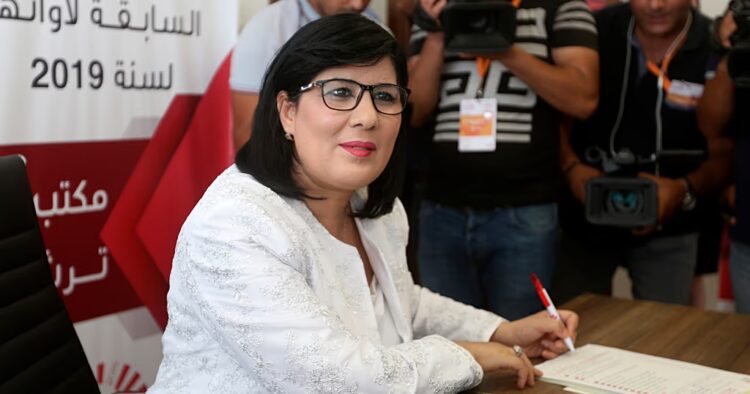
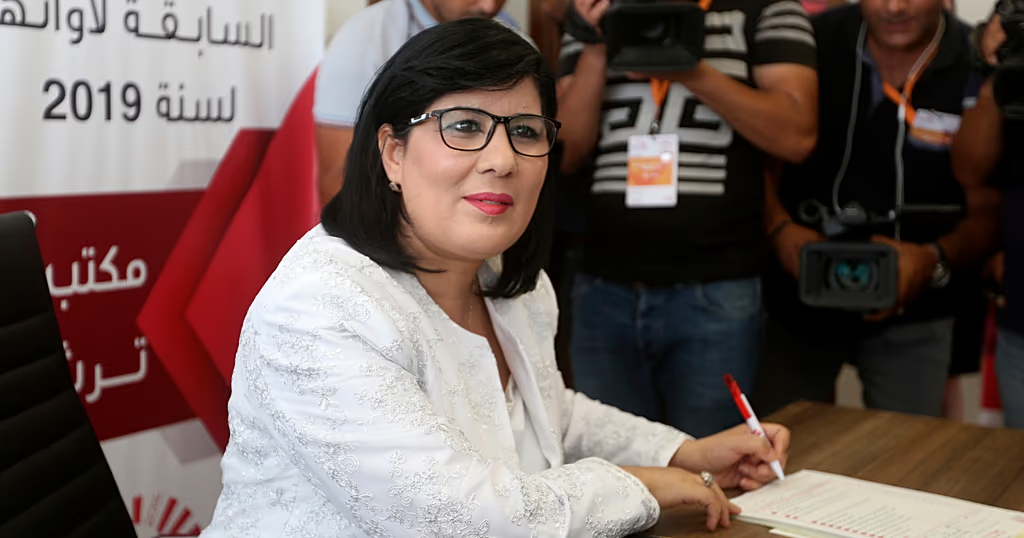
Tunisian opposition leader, Abir Moussi, handed 12-year jail term
Article Summary:
A court in Tunisia has sentenced prominent opposition leader Abir Moussi to 12 years in prison amid a crackdown on critics of President Kais Saied. Moussi, leader of the Free Constitutional Party, has been in custody since her 2023 arrest outside the presidential palace on charges of assault intended to cause chaos. She rejected the charges, stating she was exercising her right to criticize and vowed to continue resisting what she called “abuse, torture, and political and moral violence.” This is the third trial against the politician.
Key Points:
Actionable Takeaways:
Contextual Insights:
The sentencing of Abir Moussi reflects broader trends of political repression in Tunisia, where the government has been increasingly cracking down on dissent. This context is crucial for understanding the broader implications for the travel industry. As political stability is a key factor influencing travel decisions, any developments in Tunisia’s political climate can have significant repercussions. For travel startups and fintech companies operating in the region, this situation underscores the importance of staying informed about political developments and adapting strategies to mitigate potential risks. Expert opinions suggest that businesses should consider diversifying their operations and exploring markets with more stable political environments to ensure long-term sustainability.
Read the Complete Article.
Get curated travel AI insights — choose the newsletters that matter to you.
ALTOUR Expands into Thailand, Strengthening Corporate Travel Network Across Southeast Asia BANGKOK, THAILAND (25 March, 2026) – ALTOUR, a leading...
Read moreDetails


Kyoto, Japan — August 14, 2023 In short: Japanese Zen monk Toryo Ito introduces a 30-second workplace stress reset technique...
Read moreDetails